admin
admin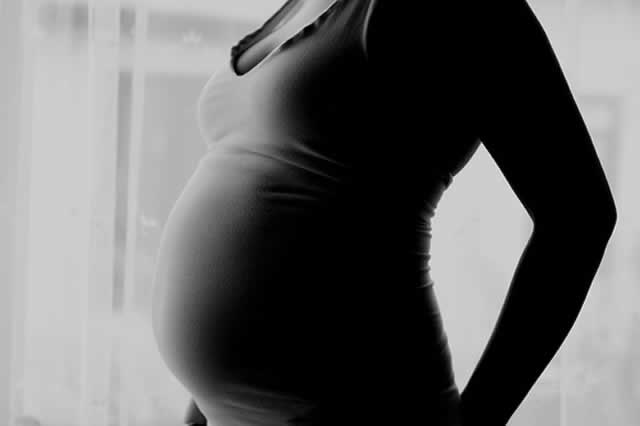

Davies Ndumiso Sibanda, Labour Matters
WITH more women entering the world of work and with many of them taking jobs which were predominantly a preserve for men, questions and disputes have emerged over how they should be treated when pregnant.
Jane is a rock-drill operator, she is five months pregnant and the vibrations that are associated with her work have caused her pains and she has been to see a doctor who has advised that the vibratory nature of her job is not good for her health and her child.
The doctor has written a certificate to the employer that Jane should stop doing such work and be given lighter duties until further notice.
This has presented a dilemma for the employer and at a management meeting, senior managers have designated certain jobs where they would only hire men into the future.
The general manager has ordered the retrenchment of Jane as soon as she comes from maternity leave as she is a “liability” and there is a risk of her having more babies.
The above case clearly shows the challenge faced by women when they fall pregnant while at work.
As this is a very wide subject, this article will briefly focus on the right of pregnant women.
Unlike in the European Union countries and the United States of America where clear laws that deal with the rights of pregnant employees and women who have young children, our Labour Act is silent except that there is a right to maternity leave but pregnant women are not expressly protected other than section 65 of the Constitution of Zimbabwe which provides for fair treatment of all employees and payment of full salaries while female employees are on maternity leave.
Flowing from the Constitutional right to fair treatment, pregnant employees have a right not to be exposed to health risk for the mother and the baby.
This means that once a doctor prescribes any task or activity as a health risk, the female employee has to be moved temporarily elsewhere.
The management of pregnancy conditions has generally found the following to be risk areas, certain movements, some working postures, manual handling, exposure to radiation, underground mine work, exposure to toxic chemicals such as pesticides, long working hours, passive smoking, excessive travelling and many others.
Employers have to develop a pregnancy management policy that balances the health and safety of the mother and unborn baby on one end and the business on the other end.
The norm is that pregnant employees are temporarily moved to safer jobs before they go on maternity leave.
The same applies when they return from maternity leave as some jobs might require them to work in certain safe environments until they fully recover from the birth process and are fit to resume normal duties.
The crafting of such policies requires guidance and input from medical practitioners.
Dismissing female employees or retrenching them because they have fallen pregnant in my opinion is a discriminatory practice, which could lead to litigation and the courts ordering reinstatement.
In conclusion, pregnant employees remain employees with full rights like all other employees.
However, the employer has to apply the principle that all employees are equal, but men and women are not the same and provide for facilities and working arrangements that ensure safety and health of women at all times.
– Davies Ndumiso Sibanda can be contacted on: e-mail: [email protected]; Or cell: 0772375235.



 Online Reporter