Vusumuzi Dube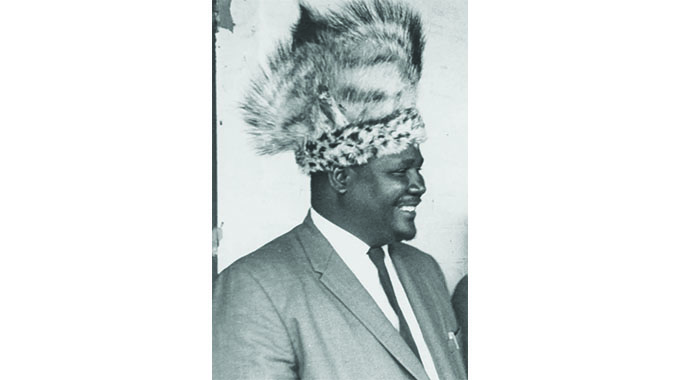
Limukani Ncube
IN THE book, Joshua Mqabuko Nkomo of Zimbabwe (2017), “sociologist Rudo Gaidzanwa’s chapter highlights Nkomo’s vision on land reform and land use in Zimbabwe. Just like Ndlovu’s chapter, Gaidzanwa delves into Nkomo’s peasant background and experience with limited landholding in a peasant household and explains how this influenced his ideas about land policies and land reform.
Gaidzanwa also explored how Nkomo initiated and developed concrete land-based projects and programmes for peasants, war veterans and others after the end of the anti-colonial liberation struggle.”
The above statement aptly sums up the story of the colossal figure in African nationalist politics, Dr Joshua Mqabuko Nyongolo Nkomo, better known as Father Zimbabwe, Umdala Wethu, Mafukufuku, Big Josh, Chibwechitedza.

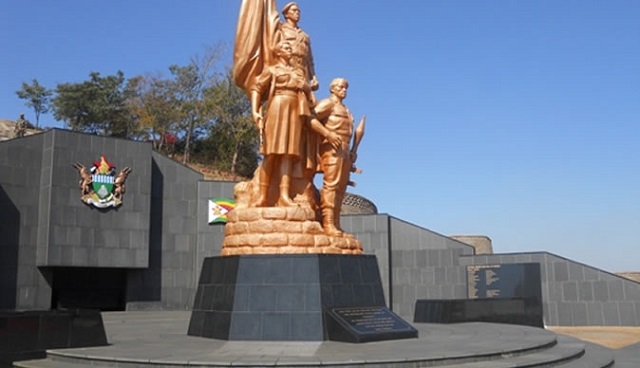
Dr Nkomo, one of the pioneers of the country’s Second Umvukela/Chimurenga, succumbed to cancer on 1 July, 1999, at the age of 82, and was interred at the National Heroes Acre in Harare. His death shook the country to the core, with people from all walks of life in unison that indeed a giant, patriot, peace lover, and unifier had fallen. Echoes of his death were felt beyond the country’s borders and friends and foes alike took turns to shower praises on the works of the departed hero who hailed from Kezi District, Matabeleland South province.
Dr Nkomo, who was the country’s Vice President at the time of his death, was one of the founding fathers of the liberation struggle. He is on record as saying the war of liberation was fought to get back the land that was stolen from blacks by colonialists. He maintained that political freedom was not enough as long as indigenous Zimbabweans had no access to land, education and economic opportunities that would uplift their lives. His teaching was that the war of liberation was not fought to bring down the “white men” simply because of the colour of their skin, but to uplift the “black men” so that they enjoy the same freedoms and opportunities as the “white men”.
Simply put, the war of liberation was fought to dislodge a system that oppressed black people, and it was no surprise that people of different ethnicity and tribes joined hands to fight the unjust system. As the country marks the 24th anniversary of Dr Nkomo’s passing on, it is a time to reflect on his life and learn from the episodes that his life took.
It is also a time to reflect on the lives and teachings of his peers who sacrificed their lives for a better Zimbabwe. The biggest lesson from Dr Nkomo’s life, and from his like-minded Comrades, is that peace and unity are sacrosanct. In 2009, Professor Sabelo Ndlovu Gatsheni published the book, “Do ‘Zimbabweans’ Exist? Trajectories of Nationalism, National Identity Formation and Crisis in a Postcolonial State”. A summary of the synopsis is that: “This book examines the triumphs and tribulations of the Zimbabwean national project, providing a radical and critical analysis of the fossilisation of Zimbabwean nationalism against the wider context of African nationalism in general.”

Nonetheless, the story of Dr Nkomo gives an elaborate answer to the book, as nuanced by his work towards building nationhood from the genesis of the liberation struggle and formation of nationalist movements. Those who worked with him before and after independence are in agreement that Dr Nkomo saw a Zimbabwean in everyone whose umbilical cord connects with our Motherland. He was not a racist. He was not a tribalist. He believed that everyone has a role to play to make the country a better place for everyone who lives in it.
The anniversary of his death comes at a time when the Second Republic, led by President Mnangagwa, has reignited the quest for a peaceful and unified nation as we countdown to the 23 August general elections. It also comes at a time when the Second Republic has pursued mega-development projects across the country that “leave no one and no place behind”.
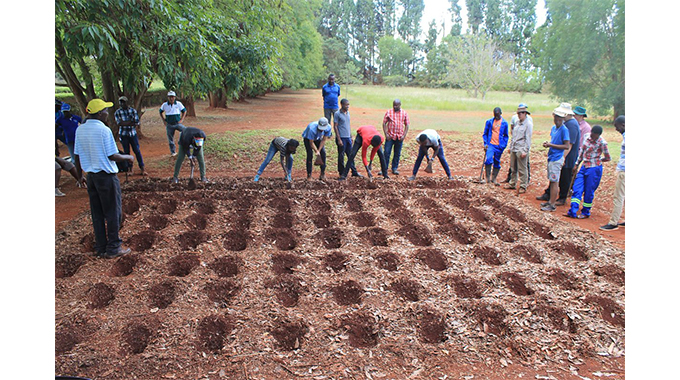
Furthermore, the President Mnangagwa-led government has transformed the agricultural sector, something very dear to Dr Nkomo’s heart, to magnificent levels where the country is now food secure with history-making bumper harvests in maize and wheat.
President Mnangagwa has repeatedly said that “we will grow this land”, and has implemented various agricultural programmes such as Pfumvudza/Intwasa and the Presidential Input Scheme that have assisted households with farming inputs over the years. The pro-people agricultural programmes have expanded to cattle, goats and chickens.
“The Zimbabwe our heroes freed from the shackles of settler colonialism and handed down to us, today becomes the land we till, the land we grow, seek and strive to prosper. It becomes our daily chore and vocation; indeed, our collective assignment to which there should never be any sense of fatigue. We must grow it; we must modernise it so that we prove to be its worthy children and inheritors. As your President, my covenant with you has been to banish hunger from our land. That goal is now well in sight, what with the massive investments we continue to commit towards weather-proofed agriculture, and, of course, the sheer hard work of all our farmers, big and small,” President Mnangagwa was quoted as saying.
Zanu-PF Second Secretary and Vice President Cde Kembo Mohadi is also on record urging the nation to cherish the values of unity, freedom and peace that Dr Nkomo strived and stood for. In a past interview with Chronicle, Cde Mohadi, one of the people who worked closely with the late Father Zimbabwe during and after the liberation struggle, said Dr Nkomo fought for black economic empowerment and equal distribution of natural resources.
“The 1st of July is a very important day for us as we commemorate the death of Father Zimbabwe, Dr Joshua Mqabuko Nkomo, a man who played a critical role in uniting Zimbabweans. On his deathbed, Dr Nkomo confided in the late former President Mugabe that his time was up and subsequently advised him to continue uniting Zimbabweans. Most importantly, Father Zimbabwe also reminded him (Cde Mugabe) about the need to correct the crooked land ownership issue.”
Cde Mohadi said the first part of Dr Nkomo’s struggle of ensuring that the landless blacks were allocated land, has been fulfilled, adding that the challenge now is to ensure the land is put to good use.
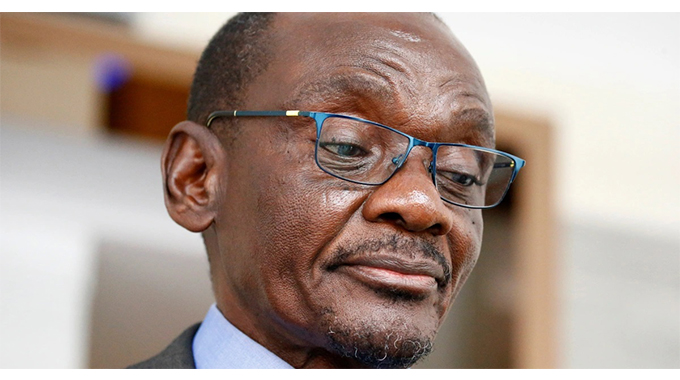
“As we remember Dr Nkomo, we also urge our people to utilise this land productively in line with his vision. He would occasionally say the issue of land was the main reason why Zimbabwe’s sons and daughters took up arms to fight the settler regime. Dr Nkomo’s wish was to see Zimbabweans of all races united and this desire for a united Zimbabwe saw him leading the then PF Zapu to sign the 1987 Unity Accord with Zanu-PF,” he said.
Dr Nkomo was born on 19 June 1917. On 29 September 1980, in the year of the country’s independence, he was quoted as saying: “The rulers will go, the parties will go and so will men present and to come but the independent Zimbabwe will never go…..our children will inherit this country and it is our duty to build it in unity and have our children thankful to us for building the country instead of destroying it.”
Let the Dr Nkomo spirit of peace, unity and development prevail always!


 Online Reporter