Blessings Chidakwa-Senior Reporter
FROM colourful doeks and proudly wrapped zambias (wrapping cloths) to the rhythmic sounds of traditional Venda dances, Mabibi Stadium in Beitbridge became a stage of cultural celebration as First Lady Dr Auxillia Mnangagwa brought her Doek Drive initiative to Matabeleland South Province.
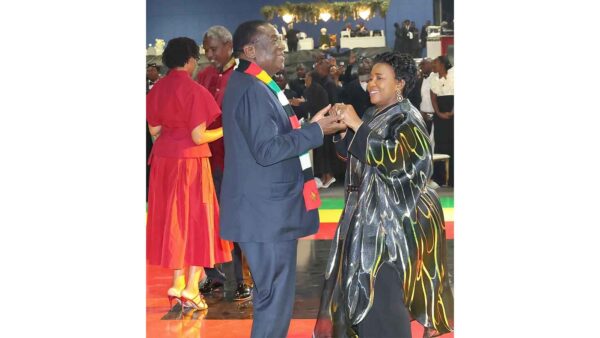
The usually tranquil grounds were transformed into a vibrant arena of ululations, song, dance and fellowship as multitudes of women gathered for the Doek Drive provincial launch, creating a spectacle that celebrated Zimbabwe’s rich cultural heritage.
From the First Lady’s arrival, the atmosphere was electric, with Venda cultural expressions taking centre stage as communities showcased their unique heritage through music, rhythm and colourful attire.
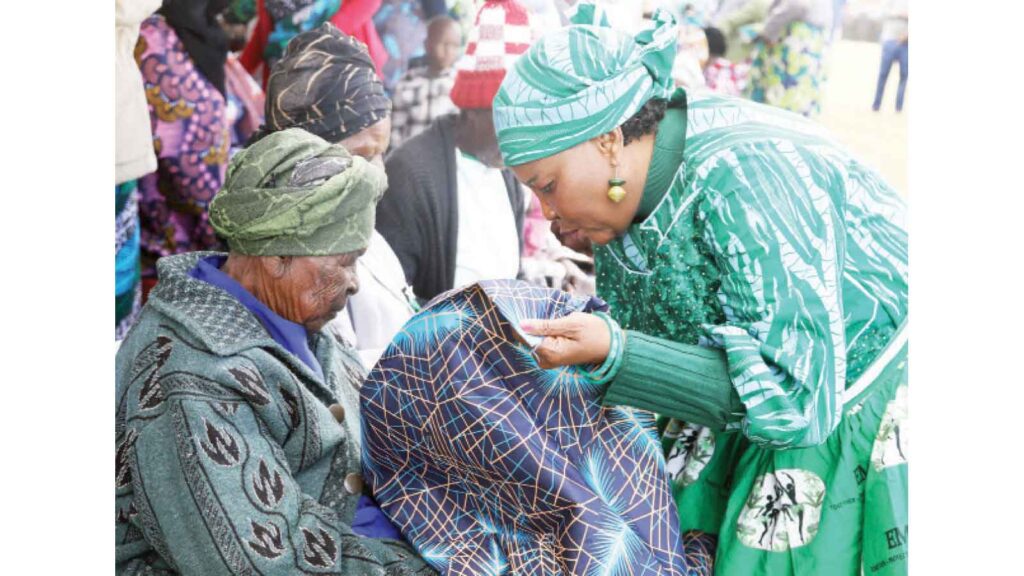
Elderly women, young mothers and community members joined hands in a celebration that went beyond the presentation of doeks, zambias and innerwear including petticoat, reflecting values of respect, modesty, identity and Ubuntu.
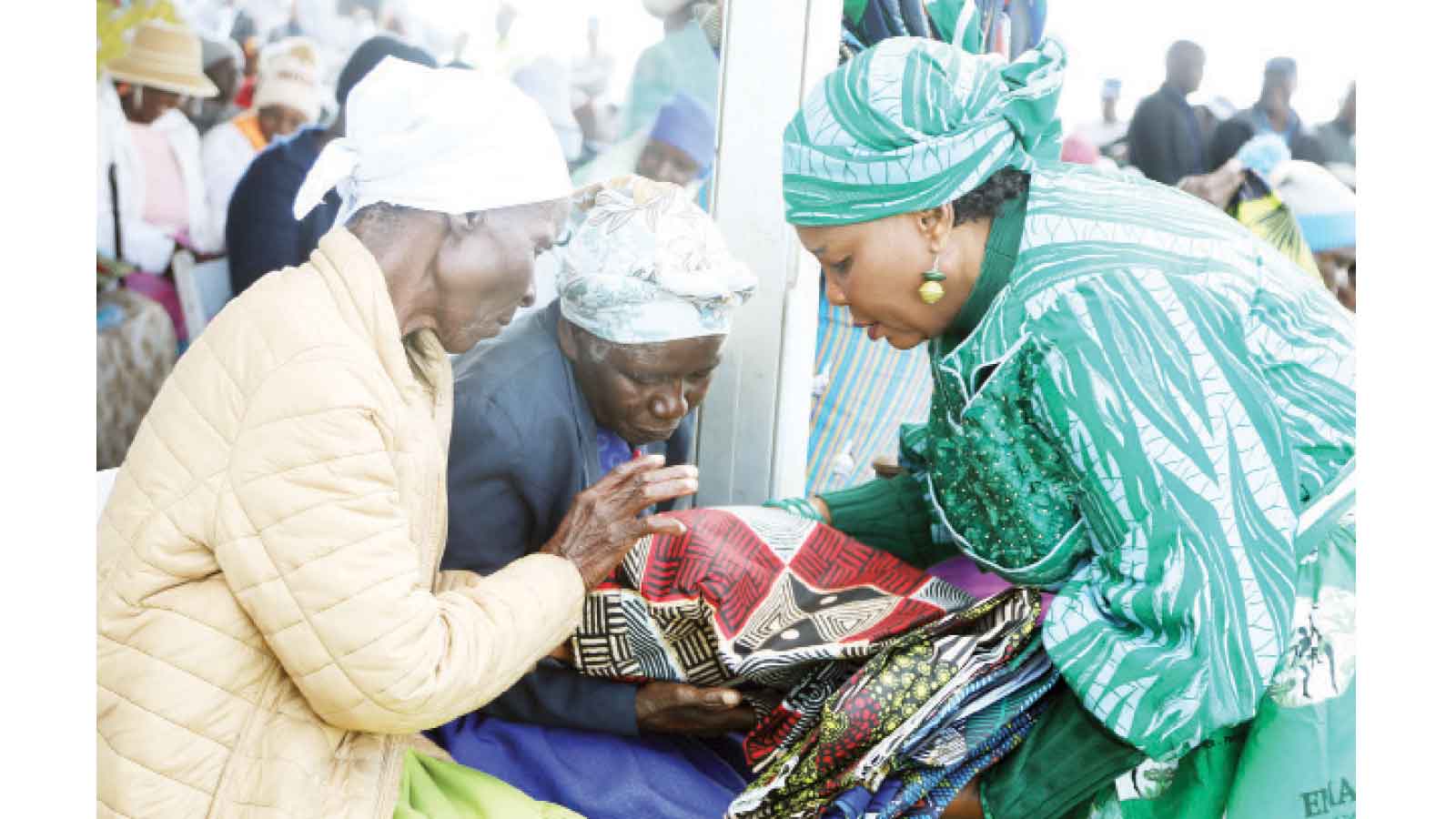
At the heart of the initiative were the iconic doek and zambia, simple yet powerful symbols that have, for generations, represented dignity, honour and pride among African women.
The gathering also provided a platform for cultural exchange, with seven Venda women representing all districts presenting the First Lady with a unique piece of traditional cloth, symbolising the province’s heritage and appreciation of its customs.
The event further incorporated a Zimbabwe Gold (ZiG) awareness campaign, during which Dr Mnangagwa distributed ZiG-branded merchandise, including zambias and T-shirts, to encourage public appreciation and confidence in the local currency.
Overjoyed beneficiaries warmly welcomed the initiative, highlighting the importance of supporting the local currency aimed at strengthening the economy.
No group was left behind as pregnant women received baby preparation kits, while elderly women, people living with disabilities and child-headed families were supported with groceries, blankets, innerwear, petticoats and other essentials.
In the spirit of love, care and sharing, all attendees went home with goodies.
First Lady Dr Auxillia Mnangagwa presents a doek and zambia (traditional wrapping garment) to elderly women at Mabidi Sports Arena in Beitbridge.
For many recipients, the assistance came at a crucial time as winter sets in, providing practical relief, while reinforcing the message that vulnerable members of society remain valued.
Beyond the material support, the initiative emphasised the importance of preserving cultural values, strengthening family bonds and promoting self-worth across generations.
The programme later took a lively turn as elderly women participated in recreational activities spearheaded by the Ministry of Sport, Recreation, Arts and Culture, highlighting the role of physical activity, social interaction and community engagement in promoting wellness.
Laughter filled the grounds as participants took part in apple-eating contests and egg races, while a five-a-side women’s football match added excitement to the festivities, proving that active living has no age limit.
Addressing the gathering, Dr Mnangagwa said the Doek Drive was not merely about distributing clothing items, but about restoring cultural identity, promoting dignity and strengthening the values that unite families and communities.
“The doek and zambia are not just items of clothing. In Zimbabwe and across Africa, they carry great cultural significance. They symbolise dignity, respect and the values that define us as African women,” she said.
“My vision for this initiative was to promote decent dressing that reflects the character of a woman of virtue, a woman who is respected by others because of how she presents herself. The way we dress should reflect our values and show that we were raised with good morals and discipline.”
Dr Mnangagwa said elderly women should lead by example by wearing the doek and zambia.
“I have come with love, respect and deep appreciation for our grandmothers, the women who came before us and whose example continues to guide us today.
“I said to myself that we must honour the elderly women of our country and ensure they are recognised. One of the ways we do this is through the doek and the zambia, so that wherever they go, they are easily recognised as respected mothers and grandmothers,” she said.
The First Lady said that in many African countries, traditional attire is held in such high regard that it is compulsory to wear it on certain important occasions, including weddings.
“Here in Zimbabwe, the doek and zambia also serve as symbols of identity. They help distinguish married women, widows and elderly women, while reflecting their status and dignity in society.
“We wear the doek in church, during funerals and at many other important gatherings because it is part of who we are and an expression of our cultural identity,” she said.
Dr Mnangagwa encouraged young women to embrace dressing that reflects dignity and cultural identity while creating space for conversations on the challenges affecting families and relationships in modern society.
The First Lady emphasised the importance of Nhanga/Gota/Ixhiba, saying it teaches the values and responsibilities of womanhood, preparing young women for life and for the important roles they will play in their families and communities.
She said, sadly, some young women were abandoning these values after marriage, with some even discarding their traditional attire and neglecting the customs that once guided them.
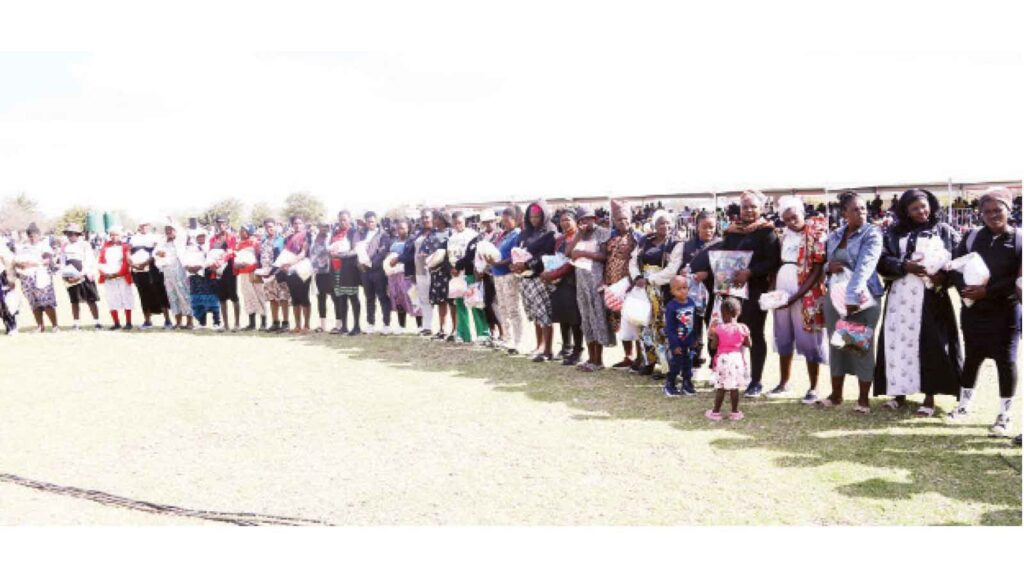
Expecting mothers carry baby preparation kits received from First Lady Dr Auxillia Mnangagwa in Beitbridge as part of her ongoing efforts to support maternal health.
“That is why we have come with this Doek Drive initiative. We want to teach and remind our women about appropriate dressing for different occasions while preserving our rich cultural heritage and passing these values on to future generations,” she said.
The First Lady also urged Zimbabweans to continue embracing and supporting the Zimbabwe Gold (ZiG) currency, saying sustained confidence in the local currency has been essential in strengthening the country’s economy.
As part of strengthening families, Dr Mnangagwa led a highly interactive engagement where she asked participants about the qualities they would want in a husband or wife.
Among the responses from women were: “I want a husband who respects our culture. I do not want a man who drinks alcohol or smokes marijuana. I want someone who goes to church, and I do not want someone who wears sagging trousers or several pairs of trousers at once.”
Others said: “I want a man who respects me and my family, and when I explain something to him, he should understand and appreciate what his wife needs.”
Men also shared their expectations, with one saying: “I do not want a woman who does not bathe or brush her teeth.”
In another interaction, the First Lady asked mothers-in-law about the qualities they look for in a daughter-in-law.
Participants eagerly shared their views, with some saying: “I want a daughter-in-law who listens to me and does not dress in a way that says ‘please call me’. I also want a daughter-in-law with good manners and cultural values; someone who, when she visits, brings food and shares it with the whole family.
“I want someone who cooks well, someone with good morals, who loves people, smiles at visitors and does not move around spreading gossip.”
Others said: “I want a daughter-in-law who loves and respects her husband’s parents, including his mother. She must love both her own family and mine, and not forget that I am the one who gave birth to her husband. I want someone who is hardworking, who can work in the fields when it rains and be productive.”
For beneficiaries, the programme was a powerful reminder that they are appreciated, respected and valued in society.
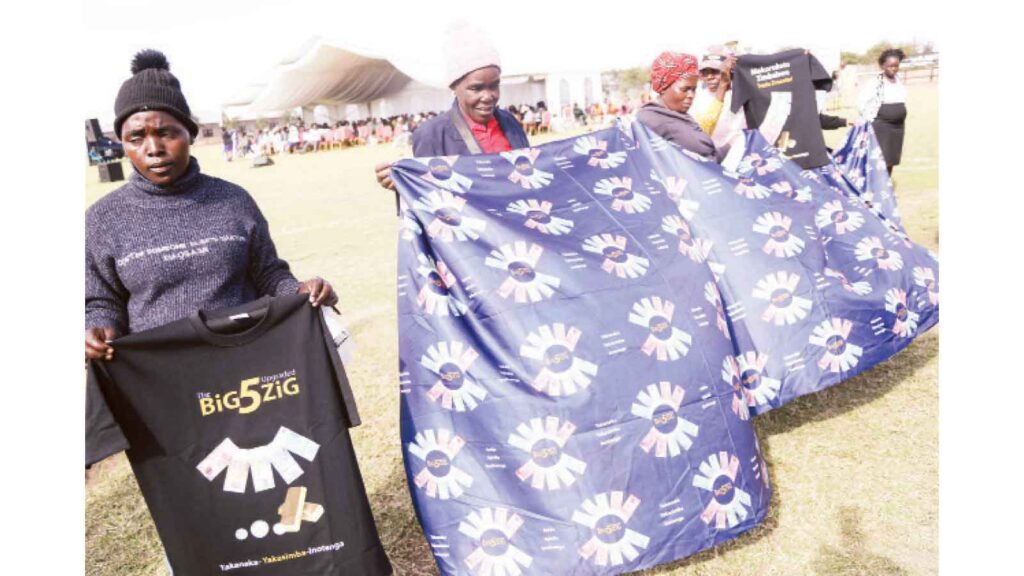
Women display ZiG-branded clothing promoting the use of the Zimbabwe Gold (ZiG) currency in Beitbridge.
While the donated items will go a long way in improving their daily lives, the deeper message of dignity, cultural identity and pride will remain a lasting memory for many of them.
For Granny Thandiwe Ncube, who beamed with joy as she wore her doek and zambia, while proudly displaying her petticoat, the occasion revived cherished memories of Zimbabwe’s cultural traditions.
“We grew up wearing doeks and zambias as a symbol of respect and our way of preserving our culture. It is encouraging to see these traditions being embraced and passed on to the younger generation,” she said.
Granny Sibongile Moyo said she was filled with happiness after receiving the items donated during the outreach.
“I am thankful to our mother, Dr Mnangagwa, for remembering us. I received a doek, zambia, innerwear, including a petticoat, and groceries. I am truly grateful because this means a lot to me,” she said.
Granny Nomusa Dube said the support had brought relief, especially as the country experiences the cold winter season.
“I am very happy. I was concerned about the cold weather, but I received my blanket. Also, the petticoat brought back memories of the clothes we wore when we were growing up. I encourage others to appreciate and continue wearing these traditional garments,” she said.
Another beneficiary, Granny Busisiwe Ndlovu, said she never expected to leave the event with such support.
“I came here without expecting anything, but today I have received warm clothing and other necessities. I am very grateful,” she said.
Granny Busisiwe thanked the First Lady for showing care and compassion towards elderly women.
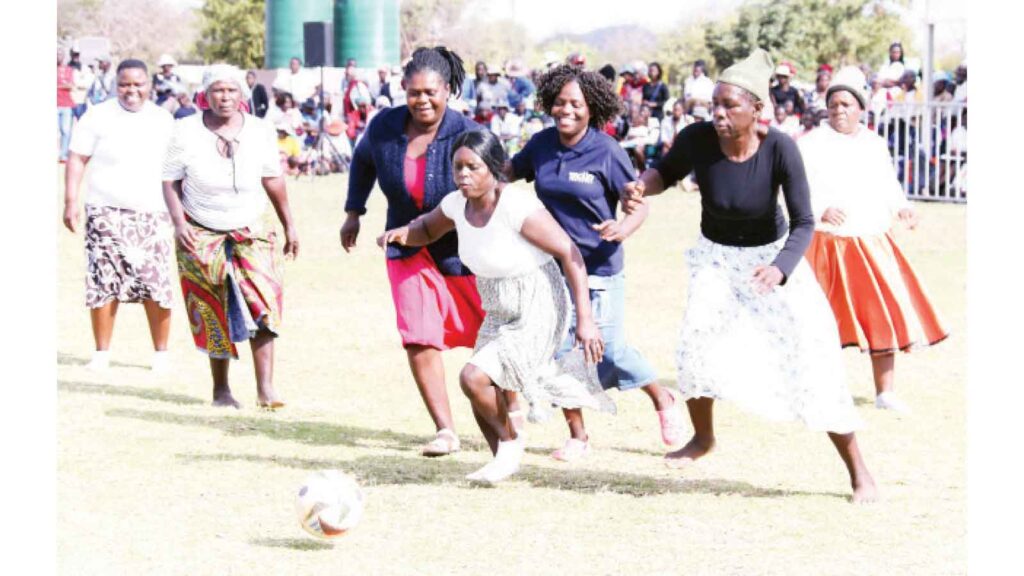
Women play soccer during the First Lady Dr Auxillia Mnangagwa Matabeleland South Provincial Doek Drive launch at Mabidi Sports Arena.
“Our First Lady has shown great kindness by remembering us. Despite our age, she has provided us with traditional garments to keep us warm, together with other important items. We are happy and thankful for her support,” she said.
Another elderly beneficiary, Granny Thembelihle Mhlanga, said the donation had arrived at an important time as temperatures continue to drop.
“I am very happy to have received blankets during this winter period. The cold had become difficult, but now I feel warmer and remembered,” she said.
As for the stable ZiG currency, Mrs Nomalanga Dube of Beitbridge said: “Before the introduction of the ZiG, our money was losing value almost every day, making it difficult to plan for our families. We are grateful that the currency has now gained strength, bringing greater stability and restoring our confidence in the economy.”
Mrs Sarah Ncube of Gwanda said: “We are thankful that the ZiG has continued to gain value. It has brought relief to ordinary people because prices have become more stable, allowing us to budget with greater certainty and look to the future with renewed hope.”
Minister of State for Matabeleland South Provincial Affairs and Devolution Albert Nguluvhe commended the First Lady for championing initiatives that promote Zimbabwe’s culture, heritage and the welfare of communities.
“The people of this province truly feel recognised, valued and appreciated. We are equally grateful that your visit is not only about the distribution of goods and hampers, but also about extending a hand of compassion and care to our communities,” he said.
Minister Nguluvhe said all districts in Matabeleland South had benefited from the First Lady’s various programmes, which continue to make a positive difference in the lives of people across the province.
Chief Tshitaudze commended the First Lady for her unwavering commitment to preserving and promoting Zimbabwe’s rich cultural heritage.
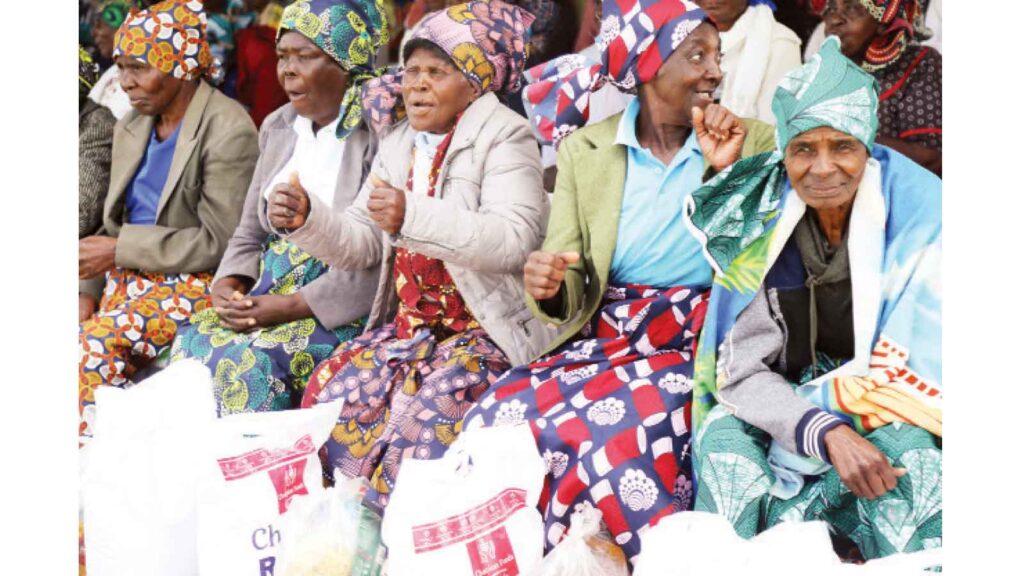
Elderly women celebrate after receiving doeks,zambias, blankets and food hampers from the First Lady Dr Mnangagwa at Mabidi Sports Arena in Beitbridge.
He said initiatives such as the Doek Drive were playing a significant role in reviving cultural pride, encouraging appreciation of traditional practices and keeping Zimbabwe’s heritage alive among communities.
Traditional performances added colour to the event, with local groups showcasing music and dance that celebrated the identity of communities in Beitbridge.
The programme, which has already been rolled out in Mashonaland Central, Masvingo and Manicaland provinces, continues to spread across the country.
The Doek Drive, which has been rolled out across the country, continues to serve as a platform that combines cultural preservation, dialogue and social support while celebrating the values that define Zimbabwean society.