Online Reporter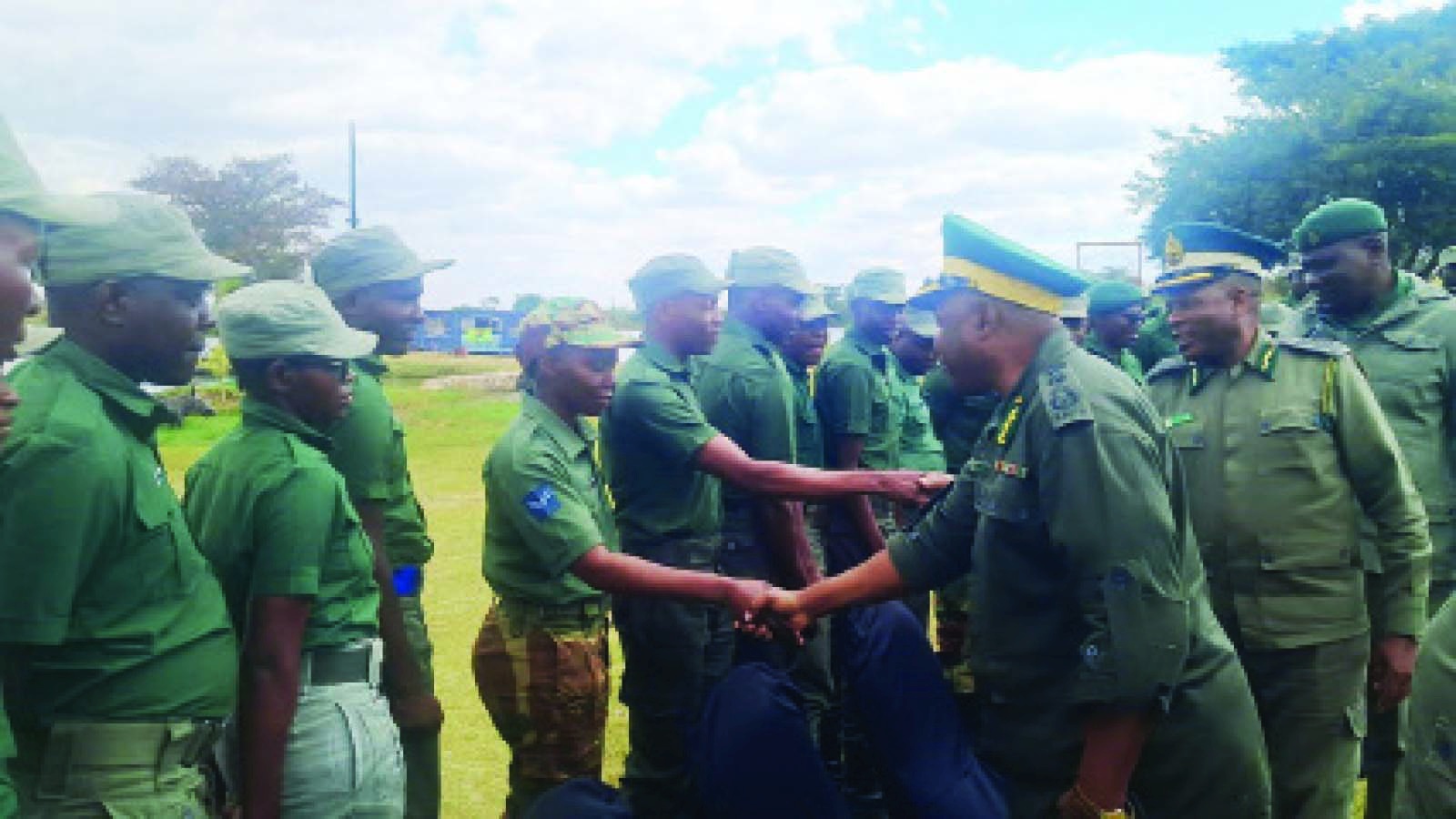
Arron Nyamayaro
TWENTY four trainees, including three members of the Air Force of Zimbabwe (AFZ), are taking part in the Zimbabwe Prisons And Correctional Services Canine Training Course, which is currently underway in Harare.
The training started on May 18 and is expected to end on September 18 this year.
ZPCS Deputy Commissioner-General responsible for Operations, Shepherd Mpofu, addressed the participants in Harare.
“This occasion is significant as it reflects our unwavering commitment to professional development, operational excellence, and the continuous strengthening of the Zimbabwe Prisons and Correctional Service’s security capabilities,” said DCG Mpofu. The Canine Unit is a critical component of our security framework and the success of its operations depends largely on the quality of training received by both handlers and instructors.
“The courses being undertaken here are therefore not merely academic exercises but strategic investments in the future effectiveness of our organisation,” he said.
DCG Mpofu added: “People often associate dogs with loyalty, honesty, courage and unconditional dedication—qualities that officers and security professionals should equally strive to emulate in the execution of their duties.”
Eighteen trainees are undertaking the Basic Canine Training Course, while six are enrolled in the Junior Canine Instructors Course. DCG Mpofu noted that the participants were drawn from various stations across the country, ensuring that knowledge and skills acquired during the course will be disseminated throughout the Service upon completion.
“Allow me also to acknowledge and warmly welcome the three participants from the Air Force of Zimbabwe who have joined this programme.
“Their participation demonstrates the spirit of cooperation, partnership and inter-agency collaboration essential in modern security operations,” he said.
He said one of the primary areas of instruction is basic obedience, where dogs are trained to respond promptly and accurately to commands—forming the foundation of all canine operations.
The trainees will also undergo modules including:
Agility training, focusing on enhancing the dogs’ physical fitness, coordination and confidence.
Man-work training, where dogs are taught controlled attack and apprehension techniques.
Gunshot steadiness training, teaching dogs to remain calm and focused in environments where firearms may be discharged.
Basic dog psychology, enabling handlers to understand canine behaviour, instincts, learning patterns and responses.
Tracking training, where dogs are taught to follow human scent trails to assist in the apprehension of fugitives.
Water training, preparing dogs to navigate rivers and other water obstacles during operational deployments.
DCG Mpofu said upon successful completion of the courses, participants are expected to emerge as competent canine handlers and instructors equipped with essential skills in:
Animal health care.
Inmate escort duties.
Fugitive apprehension.
Protection of Government institutions and other strategic installations.
Managing and controlling rioting inmates or public disturbances.
Conducting professional canine displays that strengthen public confidence and foster positive relations between security institutions and communities.



 Bongani Ndlovu