Online Reporter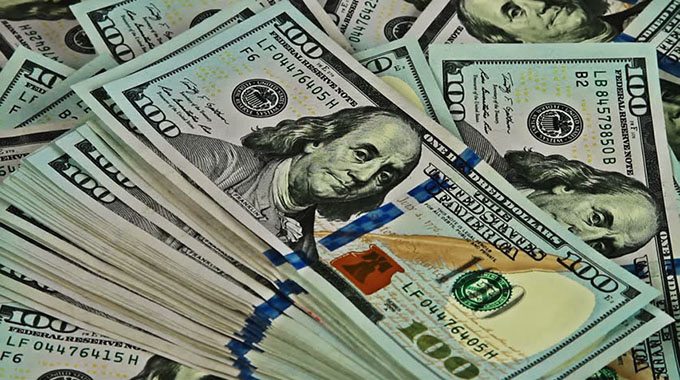
A Bloomberg analysis of activity in the options market tells a similar story.
Some 60 percent of the activity observed this week in euro-dollar derivatives via the Depository Trust & Clearing Corp was tied to bets that the dollar would rise against the euro.
The average in January and February, conversely, was around 60 percent in favour of the euro.
The shift likely reflects a market increasingly focused on the single currency’s exposure to energy imports.
“Higher oil prices mechanically improve the US terms of trade and increase global demand for dollars to transact energy,” said Neil Sutherland, a portfolio manager at Schroder Investment Management. “At the same time, the US is structurally more insulated from an energy shock than most of the G-10, so relative growth expectations are shifting in its favour.”
The dollar’s recent surge stands in contrast to a trend that’s been in place since President Donald Trump’s inauguration: dollar depreciation prompted in part by broader uncertainty surrounding US trade and economic policies. Despite the recent gains, Bloomberg’s dollar measure is still down some 6 percent over the last 12 months.
Before the war started, the greenback was often negatively correlated with oil, trading down as oil prices rose, said Nicholas Wall, head of global FX strategy at JPMorgan Asset Management. Since February 28, however, oil prices and the greenback have been rising in tandem, prompting some to refer to the currency as a petrodollar.
The trend continued on Tuesday, as the Bloomberg dollar index slipped about 0,1 percent while the price of global benchmark Brent crude fell about 8 percent.
Still, the longer the conflict in the Middle East continues, the more sensitive US consumers — long attuned to prices at the pump — will be to rising oil prices. That could ultimately dent future growth in the US just as it will in other major economies around the world, which could be a drag on the currency’s strength in the longer term.
“It’s a relative strength story, but I wouldn’t go so far as to say that the US dollar is a ‘petrodollar,’” said Kathy Jones, the head of fixed-income strategy at Charles Schwab. “The US economy will likely see a decline in GDP growth as a result of higher energy prices that affect consumer spending, so it isn’t a net positive overall.”
What Bloomberg strategists say . . .
“Oil is priced in dollars, global trade is financed in dollars and a vast stock of offshore liabilities is denominated in the greenback. When crude spikes, it is effectively a direct demand shock for the currency at the core of the petrodollar complex.”
Macro investors are increasingly torn as they consider both the price shocks of surging oil as well as the looming hit to global growth, said Christopher Gunster, head of fixed income at Fidelis Capital Partners. The market is selling Treasuries and buying dollars, he noted, which is a counterintuitive effect of the war.
“You’re seeing the fight-to-quality and the inflationary impacts conflict with each other,” Gunster said. — Bloomberg