Online Reporter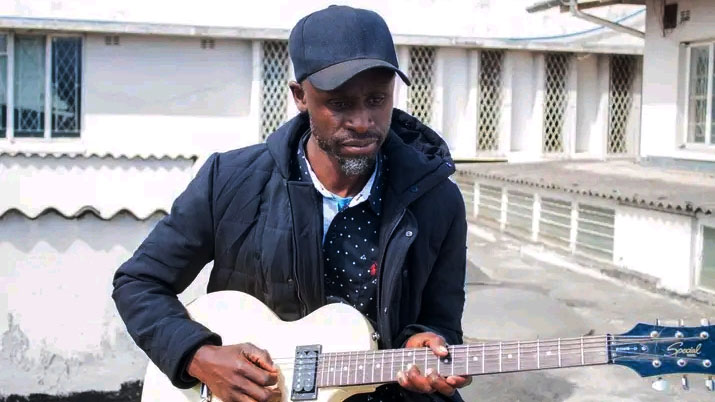
Liberty Dube
Entertainment Correspondent
AT a time when many musicians choose to specialise in one genre, 43-year-old artiste, Forget Chikwinya, has taken a different route, embracing versatility as the defining feature of his musical journey.
Born on December 23, 1982 at St Augustine’s Mission Clinic, Chikwinya hails from Domborutinhira, Watsomba, in Mutasa District.
He performs both gospel and secular music, moving comfortably between sungura, gospel, jiti and jazz-inspired sounds. His musical journey began long before he entered the recording studio.
Chikwinya started writing songs in September 1996, when he penned his first composition, Ndakagara Ndazviona. At the time, he drew inspiration from Leonard Zhakata and his Zora Music sound.
It would take more than two decades before he ventured into professional recording.
On May 8, 2022, he recorded his first song, Mwaka, which was released on June 21 of the same year. That marked the beginning of a more serious recording journey, culminating in his debut album, Mwana weManyika.
Recorded in 2025 and officially released in March 2026, the 10-track album showcases Chikwinya’s versatility and his desire to use music to address different aspects of life.
The album opens with Kufadza Mose, which has caught the attention of radio listeners and is currently featuring on Diamond FM’s Top 10 Chart Show.
For the husky-voiced Chikwinya, earning a place on the chart is a significant milestone.
Another track, Lazybones, carries a message in support of national development, while Mudzimai Wanhasi focuses on women’s empowerment and rights.
“My musical journey started in 1996 when I wrote my first song, Ndakagara Ndazviona, inspired by Leonard Zhakata’s Zora Music. Since then, I have remained committed to developing my craft. I do both gospel and non-gospel music, using sungura, jiti, jazz and other styles to reach different audiences,” he said.
“My album, Mwana weManyika, carries messages about faith, women’s empowerment, drug abuse, national development, love and family. I want my music to inspire people, address social issues and show that artistes from rural communities can also make an impact,” said Chikwinya.
Chikwinya tackles another pressing social issue through Marambakutongwa, a song addressing drug and substance abuse.
The album also has a personal touch, with Mudodo dedicated to his son, Elijah Hauna.
On the celebratory side, Tsviyo Tsviyo and Muchato weCana are wedding songs, while UJesu Wami and Munoramba Muri Mwari explore his gospel side through praise and worship.
The album closes with Mwaka, a song that marked the beginning of his recording career.
This diversity is central to Chikwinya’s musical identity. Rather than restricting himself to one audience, he uses different genres to communicate different messages and connect with listeners of varied tastes.
His consistency is particularly notable given his roots in rural Mutasa. From Domborutinhira, Chikwinya has steadily pursued his musical ambitions while maintaining a career in public service.
Away from music, he is a civil servant working as a ward empowerment officer under the Ministry of Women Affairs, Community, Small and Medium Enterprises Development in Mutasa.
Looking ahead, Chikwinya hopes to take his music to another level through live performances.
“I wish to take my music to another level by introducing live band performances in the near future. I believe a live band will give me greater freedom to express the different genres I perform and allow audiences to experience my music in a more engaging way. I want to work with talented musicians who understand my vision and can help bring songs from Mwana WeManyika to life on stage. My goal is to build a strong live act that represents Domborutinhira and Mutasa with pride,” he said.
Chikwinya’s music has also benefited from the contribution of experienced musicians.
His producer is Joseph Makiwa of Mutare, who also handled keyboards.
The guitar work was done by session musician Augustine ‘Oga’ Malunga, who has previously worked with musicians including Brian Samaita and Hosiah Chipanga.
Chikwinya also acknowledges local dendera artiste, Lameck Mutero for his contribution to his journey.
With Mwana WeManyika providing a strong foundation and Kufadza Mose gaining traction on the airwaves, Chikwinya appears determined to build on his progress.
For the artiste from Domborutinhira, music is not merely about entertainment. It is a platform through which he can express his faith, celebrate life, address social challenges and inspire his community.
Ends