

 admin
admin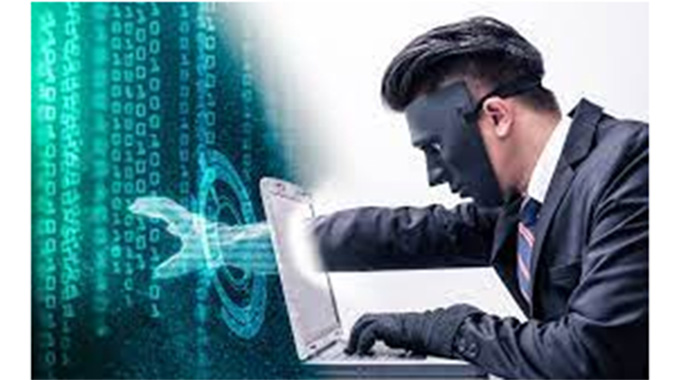
Tom Muleya Fraud Insight
When someone becomes a victim of identity theft (ID theft), their risk is heavily influenced by their demographics, level of security awareness, online behaviour, personal information sharing habits and information storage modes.
When identity theft occurs to either an individual or corporation, so many other crimes may be perpetrated by using the information acquired, such as card cloning, hacking, Distributed Denial of Service (DDoS), Business Email Compromise (BEC), advance fee fraud, and many other Social Engineering Crimes.
Identity theft takes place when someone with malicious intent consciously creates the semblance of an identity that does not belong to him, using the identity of someone else or a non-existent person. In identity theft cases, a rogue person obtains information, data or documents belonging to another person – the victim – and then passes himself or herself off as a victim.
Typically, a person who has their identity stolen will have their name, address, social security number, and even bank card number and pin, and other confidential information stolen.
Identity theft is a prolific problem in today’s environment, and millions of people are affected every year globally.
The cost of identity theft can range from a small to an astronomical amount. Back home in Zimbabwe, many innocent people have been victims of identity theft without even knowing it.
Many victims, who report cases of identity related frauds, profess ignorance on how their information got in the hands of criminals.
According to recent studies, the following are factors that make people more likely to become victims of identity theft:
- Using the same password for multiple accounts doubles the risk of identity theft. Many people actually consider this to me more convenient and easy to remember yet very risk and offers identity thieves more chances to commit ID Theft.
- People who don’t change their passwords every 6 months are 76 percent more likely to have their identity stolen.
- Using public wI-fI increases your likelihood of identity theft by 63 percent. Public wi-fi is known to be highly insecure and risk.
- If you store your bank card information online, your risk of identity theft increases by 80 percent.
- Identity theft is twice as likely to happen to women than men.
- If you have bad information sharing habits by disclosing confidential information to third parties, your chances of falling victim to identity theft are very high.
- Bad online behaviour increases the chances of becoming a victim of identity theft. Many people have a tendency of posting personal information on social media platforms such as family history, particulars, and places to be visited, birthdays and absence from home.
Join in the fight against fraud and identity theft, and create a safe environment and crime free Zimbabwe. Think Security and safely store or keep your personal or corporate information.
◆Feedback, WhatsApp line: 0772 764 043, or e-mail:[email protected]. Tom Muleya is a Detective Assistant Inspector working under the CID Commercial Crimes Division and also a member of the National Cyber Security Awareness Taskforce, Zimbabwe.



 Online Reporter