Andrew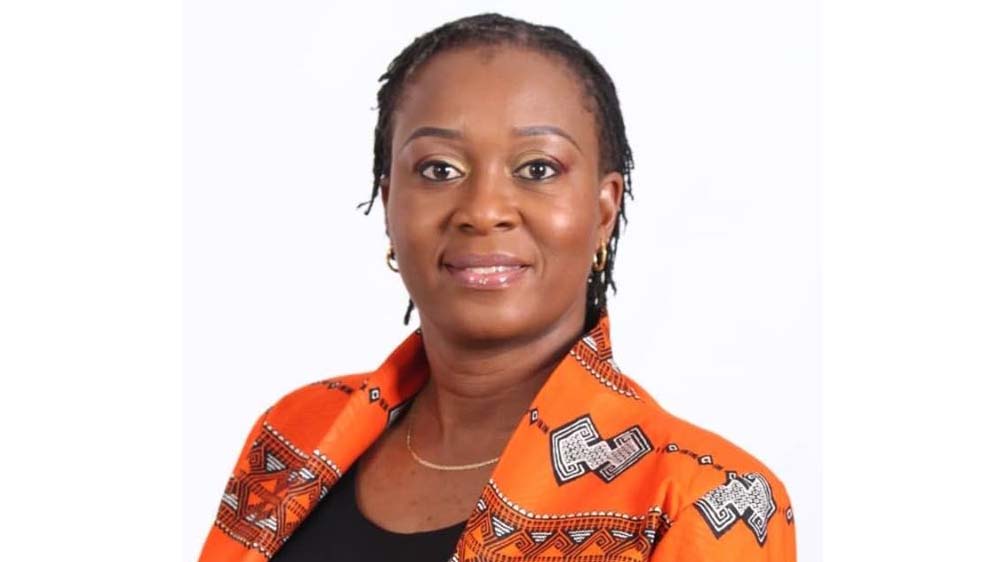
Leadership is both a research area and a practical skill encompassing the ability of an individual, group or organisation to influence or guide other individuals, teams, or entire organisations. Zimbabwe is full of such leaders yet one area of concern is that they may not pass on their leadership skills to future generations. In a Zimpapers TV Network (ZTN) broadcast in partnership with the Institute of Chartered Accountants of Zimbabwe (ICAZ), Zimbabwe Investment and Development Agency, (ZIDA) chief finance officer, Duduzile Shinya (ds), discussed these and other issues on the leadership. Below are excerpts of the interview with Andy Hodges (ah).
**********
AH: Duduzile, as I have stated you have had a varied career working for numerous top-level companies and sat or are currently sitting on numerous boards. Could you briefly explain your journey?
DS: I would say the journey starting from school is the whole leadership process, from the competition of becoming a prefect, a head girl or head boy that is the beginning of the leadership journey. However, the key factors in my career was getting into a profession which had few women and few black women so it created an equal playground since we were competing among ourselves to do the best that we can.
AH: Do you have any career highlights that you would like to share with us that stick in your mind picking on key areas that you believe gave you the leadership skills necessary to achieve your current role? What have been the highlights and milestones of your leadership journey?
DS: I would just start with my move into corporate finance, when I finished and signed my articles I wanted a new challenge, a new journey hence I approached my new partner at that time and asked what was the next move and I was given various options and corporate finance to sound it more interesting. That started a whole new journey, gave me a whole new perspective on business.
Being appointed to the Old Mutual Board of Trustees and Committees was a milestone since I did not notice that I was the only female figure in the boardroom, they were all men much older than me, but we have once worked together on some of the corporate finance projects of Old Mutual that we had.
AH: Was it an easy or difficult journey? In fact, in your leadership journey, did you encounter any major challenges, if so, how did you manage to overcome them?
DS: Definitely not easy I think challenges in life always makes you stronger, one of the biggest challenges that I had was struggling to have my degree, in your whole defence you are always under pressure, you have to finish it in a certain time to get a certain promotion.
It took me a lot of time till I got to a point where one of my managers asked me whether I was sure of becoming a chartered accountant or an accountant and told me to make up my mind because I might be on the wrong route.
AH: What do you consider to be your key success factors during your journey?
DS: I think self-improvement is one key success factor and if you are not willing to learn new things, if you are not willing to change then it is going to be a difficult journey and I think resilience is another key factor because if there is a lot going on in Zimbabwe, things change a lot and quickly.
AH: As a woman, did you find that your journey was harder or different from your male colleagues? I am sure that young women leaders may face these in their leadership journeys?
DS: I think the journey is more difficult for women, if you look at the responsibilities a girl child faces, it does put a lot of additional pressure and its good for young ladies to know that other people have gone through the same challenge and you can get over it.
AH: You hold a Master’s in Business Leadership (University of South Africa), a Bachelor of Accounting Science Honours (BCom Hons) Degree, again from the University of South Africa, a Zimbabwe Certificate in the Theory of Accounting (ZCTA). What would you say to future leaders about the role of education in their journeys?
DS: I believe there are many life skills to be learnt, but at the same time, when you’re sitting in a work environment trying to choose a person, you need some kind of basis to make that choice. So formal education considers a person who has a degree or a master’s degree, but often even without formal education people have the necessary skills to actually do a job.
But the more we go into the future the more I see that there is a need for people to take informal education very seriously and actually look at the life skills as well.
AH: I ask all my guests this question, failure is inevitable and I am sure you have encountered failure during your leadership journey. What advice would you give on how to manage failure and what to do about it?
DS: I think failure is definitely important, it makes you stronger, and you have to face challenges, a kind of failure, so you can understand the value of victories. I just want to tell people that you have to picture yourself up when everything does not work as you want them to work, and get back on the scapegoat, also don’t give up.
AH: I want to ask you about mentorship and networking? People do not understand their importance.
DS: Mentorship is key and it is not about having one mentor but having several mentors. You have got to pick a mentor that addresses a certain challenge that you have in your life or is going to assist you to attain a certain dream or goal that you have.
AH: In professional networking where they use various social media platforms especially LinkedIn, will they help you?
DS: Definitely they do, with this whole virtual platform we are operating in, it makes it a lot easier for those who do not have the confidence to actually meet people face to face you now have options.
AH: In your opinion where actually can future leaders learn leadership skills?
DS: I think a formal setup is good in the sense that it provides focus and reading widely is very important though people are more on social media nowadays and I definitely say have a mentor/role model someone that you could actually look to and they definitely give you direction in terms of what you should be reading according to your interest, goals and objectives that you want to achieve.
AH: What do you consider to be the greatest challenge facing leaders or future leaders in Zimbabwe today and in your opinion how can or should these be navigated?
DS: I think the challenges are ever-changing and one of the biggest challenges I think right now is growing the economy and I want people to be creative in terms of how they can contribute to that. So as an individual what is that you can do better, is it having your voice heard through different communities, societies so that the leaders get to hear what people are thinking be it starting a business or thinking outside the box and we always need to stay positive because I find sometimes we get lost in negativity.
AH: Finally, as one of today’s leaders, what would you like to be remembered for?
DS: In my legacy I want to inspire people to be their best because I think everyone needs to work hard, play hard and have that sort of a balanced perspective because it’s not all for yourself, but for your community, country, continent and I want people to know that they should not be competing with others they must compete with themselves because you are aiming to grow.


 Online Reporter