admin
admin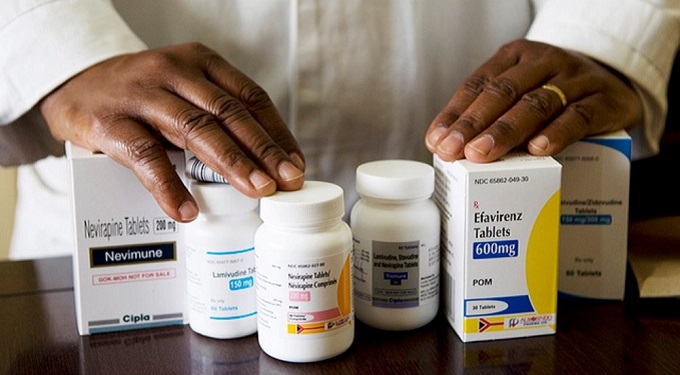
Andile Tshuma, Health
VITAMINS, herbs and dietary supplements have long been used by people living with HIV to help manage the side effects of their therapies or improve their general health. In fact, studies suggest that almost 70 percent of people living with HIV and about half the general population use some form of complementary therapy.
However, the past week has been awash with shocking statistics on the number of people that default on taking their anti-retroviral drugs as prescribed.
An article in this paper reported that about 4 000 HIV positive people in Bulawayo are on second and third line of antiretroviral therapy (ART) after defaulting from the recommended first line regimen. 4 000 is a staggering number for one city.
According to health experts, people on ART must adhere to the medication for life as defaulting may give HIV a chance to multiply and become resistant to the drugs.
Defaulting also increases their risk of spreading the virus to the next person.
According to the National Aids Council (Nac), most people move to other lines of treatment due to defaulting.
We are all obliged to do what is right. Let us encourage family members to take their medication as prescribed by the doctors all the time. Whether it’s for diabetes, hypertension, asthma, arthritis or whatever the condition, it is wiser to follow a doctor’s orders or seek the opinion of another medical practitioner if you are not happy with a particular doctor.
Bulawayo has 74 237 HIV positive people. Statistics from the organisation show that 68 270 people are on first line of ART while 3 969 are on second and third lines.
“We have a total of 3 969 people on the second line of ART regimen in Bulawayo and 35 on the third line. This means we have people who are defaulting and risking their health by stopping medication whenever they feel cured,” reads a document from the National Aids Council. .
Bulawayo has a HIV prevalence of 14,3 percent which is slightly higher than the 13,7 percent national prevalence.
Of the total number of those on second and third line regimen, women and girls account for more than 50 percent.
People who are currently on anti-retroviral therapy (ART), and those who will be initiated on ART, should take their medicines as prescribed by health personnel.
People have often defaulted on medication due to religious beliefs and taking health supplements that are believed to cure HIV. However, there is no known cure yet for HIV.
Some people have quit taking their medication after pastors have promised to cure their illnesses, while some have believed in some heavily marketed herbal remedies and dietary supplements which make dangerous claims which can have detrimental effects on people’s health.
Most of the products that are marketed as cures for HIV must be questioned as they would most likely not have been approved by regulatory authorities in the country.
Any medicines that are said to cure HIV have to go through quality assurance and get the necessary approvals by the regulatory authorities in accordance with the laws of Zimbabwe. The National Aids Council has numerously issued warnings on the dangers of defaulting on medication.
“It has come to the National Aids Council’s attention that there are drugs and herbs being sold in the country as a cure for HIV and Aids. Some of these drugs are being smuggled into the country and others are locally made.
“These have not been tested and approved by experts. It is not advisable to take them.”
We do not encourage the use of herbs or traditional medicines together with antiretroviral drugs. ARVs on their own are very effective in the treatment of HIV infections and they do not need any assistance from herbs or other medicines provided they are taken correctly as per advise from the health workers,” said Ms Tadiwa Nyatanga, the Public Relations Manager for the National Aids Council recently.
Most of these herbs are toxic and have not been tested in proper laboratories to assess efficacy, proper dosages and safety. There are reports of patients who are suffering from organ damage due to use of these herbs.
The organs commonly affected are the liver and kidney and deaths have occurred due to failure of these vital organs as a result of use of these herbs and supplements, which are not registered with the Medicines Control Authority of Zimbabwe.
A number of people are confused and attracted by the way some of these herbs are packaged and marketed so they think they are registered and approved for use by regulatory authorities.
“Nac is not aware of any such clinical trials locally or globally that have been conducted showing efficacy in the management of HIV. Those that claim to have discovered a cure must provide sufficient scientific evidence and regulatory approvals before going public with their claims,” said Ms Nyatanga.
Some of the manufacturers of these drugs may have submitted samples for testing but it is premature to start selling the product before the assessments are completed.
Drug interactions can cause resistance and this complicates an otherwise successful intervention that would have saved lives.
It is illegal to distribute drugs which are not registered with the Medicines Control Authority of Zimbabwe (MCAZ). Get your medicines only from registered public and private health institutions. Do not be fleeced of your hard earned cash.
Stay healthy and trust your doctor, or better, seek the opinion of another doctor if anything seems suspicious.
Your health is in better hands with doctors than with pills and concoctions from the streets. — @andile_tshuma



 Online Reporter