Online Reporter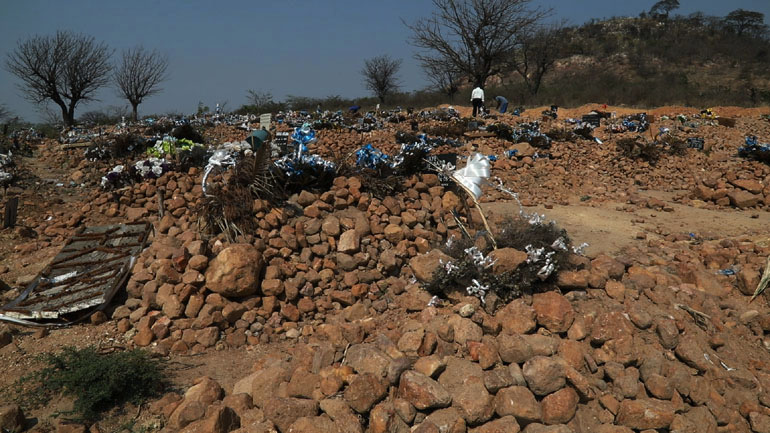
Lovemore Kadzura
Post Reporter
A PROPOSAL by Mutare City Council to allow two people to be buried in a single grave has sparked debate in the city, with traditional leaders, cultural proponents and members of the public raising concerns over the cultural and spiritual implications of the practice.
The announcement comes as urban cemeteries face growing pressure on burial space. Cemeteries have become increasingly constrained, forcing local authorities to consider alternative ways of managing available land.
While the proposed double-burial system can help address shortages of burial space, some residents believe the practice should not be introduced without wide consultations with traditional leaders, families and cultural institutions.
For many, burial is more than the disposal of a deceased person’s remains. It is a deeply rooted cultural practice through which families bid farewell to their loved ones, and according to traditional beliefs, ensure that the deceased are properly laid to rest.
Cultural proponent and Mutare resident, Mr David Mutambirwa, expressed reservations, arguing that burial arrangements should take into account long-standing customs governing the treatment of the dead.
He said decisions concerning graves should not be viewed solely from an urban planning perspective because graves carry cultural and spiritual significance for families and communities.
“There is nothing wrong for people of the same bloodline to be buried in the same grave. Nothing bad will happen. However, strangers cannot be buried in the same grave. A husband and wife are not relatives, hence they cannot be buried in the same grave. When a wife dies her spirit goes to her people, it does not remain where she was married. This means we cannot put two different spirits in the same grave. A husband and wife are only related when they are alive.
“Cremation is not part of our African tradition despite other people embracing it. If proper cultural procedures are not followed when burying people, bad omens will occur within families. The pressure on city cemeteries is being caused by people who have abandoned their rural homesteads. When they pass on there will be no suitable place to conduct their funeral ceremony in rural areas. Some people had conflicts with their relatives in rural areas and they decide that they will be buried in towns they reside,” said Mr Mutambirwa.
Chief Saurombe said the proposal requires careful consideration to avoid creating situations where families feel that their cultural values have been compromised.
He said double burial or cremation may find acceptance in urban centres, but will not find takers in rural communities.
“Burial is not simply about finding space for a body. There are cultural values attached to how a person is buried and where they are buried. This suggestion of double burial may find takers in urban areas, but culturally a graveyard is a no go area. What is acceptable is to reserve a grave space for a living person who wish to be buried next to someone.
“Culturally a person who tampers with a grave is viewed as a witch or wizard. Also according to national laws, tampering with a grave is a criminal offence. A grave is a sacred place, that is why burial or tombstone unveiling require authorisation of traditional leaders and their attendance to monitor that there are no nefarious activities being conducted. In urban areas maybe the plan will succeed especially considering land shortages. In the past we heard suggestions that they wanted people to be buried vertically rather than horizontally to save space. Cremation is a taboo in our tradition and even Christians do not subscribe to that. Moslems do that. There is enough land in rural areas to bury people. As traditional leaders we can authorise a request for exhumation for the purposes of reburial elsewhere or police investigation,” said Chief Saurombe.
Another traditional leader, Headman Talkmore Mupambawahle, said while urban land is dwindling, there is need for caution before adopting alien burial methods that may have serious implications.
He said authorities must encourage people to be buried in the villages of their origin.
“For generations, our culture has viewed burial as far more than physical act of laying a loved one to rest. It has been understood as a scared transition from the earthly world to the ancestral realm. The grave serves more than a resting place, it is a spiritual link connecting the deceased with their family, descendants and community. Because of this belief, families have traditionally preferred each individual to have their own grave.
“A separate grave preserves a person’s unique identity, honours their place within the family lineage and maintains a distinct ancestral connection. The idea of burying two people in the same grave will be met with caution and concern as it is inconsistent with long established cultural and spiritual values. However, changing demographics and rapid urban growth have sparked debate about the future of burial practices. In many towns and cities, cemetery space is becoming increasingly limited, leading some local authorities and planners to consider alternative options for managing available land.
“There is no need to rush into such changes which are against our tradition. While concerns about future capacity are valid, the country has not yet reached a stage where land scarcity has become so critical that traditional burial practices must be abandoned. Double burial or mandatory cremation are decisions of high magnitude and should be guided not only by practical considerations, but also respect for cultural heritage and community values,” he said.
For urban local authorities, the challenge may therefore not simply be finding additional space for the dead. It may be finding a solution that residents can accept without feeling that important cultural values are being undermined.
The council has not yet announced a timeline for a final decision.
The proposal remains under discussion, with traditional leaders calling for broader engagement before any policy change.
City officials say they are responding to practical constraints that are already visible in existing cemeteries. Residents say the response must go beyond land management. They say it must reflect beliefs about family, ancestry and the sacred nature of graves.
That tension between practicality and tradition is likely to shape the next phase of debate.