Rumbidzayi Zinyuke-Health Buzz
For the past few years, Zimbabweans have grown accustomed to dry spells, late rains, and anxiously watching the skies for relief that often came too little, too late.
But this season has broken that pattern. The rains have fallen with an intensity many had almost forgotten, turning dust into streams, filling the long-parched ground, and in some places bringing flash floods that have swept through communities unprepared for such sudden abundance.
But as welcome as the downpours may be for crops and water reservoirs, they have also revived a familiar public health threat that thrives when water systems are overwhelmed.
Recent weeks of heavy rainfall have heightened contamination risks across both urban and rural Zimbabwe, with floodwater mixing with sewage, waste, and debris.
Against this backdrop, the Ministry of Health and Child Care has issued an alert warning of an increased risk of cholera following the rains and recurrent flooding.
“The Ministry of Health and Child Care alerts the public to an increased risk of cholera following recent heavy rains and recurrent flooding,” the statement said.
Cholera is an acute diarrhoeal disease transmitted through contaminated food or water, and that if treatment is delayed, severe dehydration can occur rapidly and become fatal within a short period.
Zimbabwe’s relationship with cholera is complex and long-standing. While the country has made tremendous strides over the years to curb large-scale outbreaks, the disease remains a recurring threat, particularly during the rainy season.
According to the Africa Centres for Disease Control and Prevention, more than 220 000 cholera cases were recorded across the continent in 2023 alone, with southern Africa contributing a significant proportion of these.
Zimbabwe reported thousands of suspected and confirmed cases during last year’s outbreak cycle, showing that the danger is far from over.
Cholera thrives in environments where safe water and sanitation are compromised. Heavy rains often expose the cracks in local infrastructure.
In high-density suburbs with inconsistent water supply and limited sewage reticulation, residents resort to shallow wells, informal water points, or unprotected boreholes. When floods wash through such areas, sewage quickly finds its way into these water sources, creating ideal conditions for the cholera-causing bacterium Vibrio cholerae to spread.
Public health experts note that the risk is highest in communities where waste disposal systems are strained or poorly regulated. Overflowing pits, burst sewer pipes, and blocked drains, common during the rainy season, further increase contamination.
Informal vending, which many households depend on for survival, also become high-risk spaces when hygiene practices deteriorate under wet, unhealthy conditions.
While these symptoms may resemble other gastrointestinal infections, their rapid progression in cholera makes delaying treatment particularly dangerous.
Across Africa, cholera continues to strain health systems, particularly when climate-related shocks worsen existing vulnerabilities.
The World Health Organisation reported that Africa accounted for more than 70 percent of global cholera cases in recent years, a trend driven by inadequate water infrastructure, fragmented sanitation systems, and growing informal settlements.
Zimbabwe, like many African nations, is grappling with the twin pressures of rapid urbanisation and aging infrastructure. Cities such as Harare, Chitungwiza, Gweru, and Bulawayo have expanded faster than essential services can keep up, leading to frequent water shortages and sewer overflows. When the rains intensify, these systemic weaknesses amplify transmission risks.
Yet, while the challenge is continental, the impact is intensely local. For families living in flood-prone suburbs, the fear is not abstract. It is a lived reality shaped by past outbreaks, some of which have claimed lives or left loved ones hospitalised.
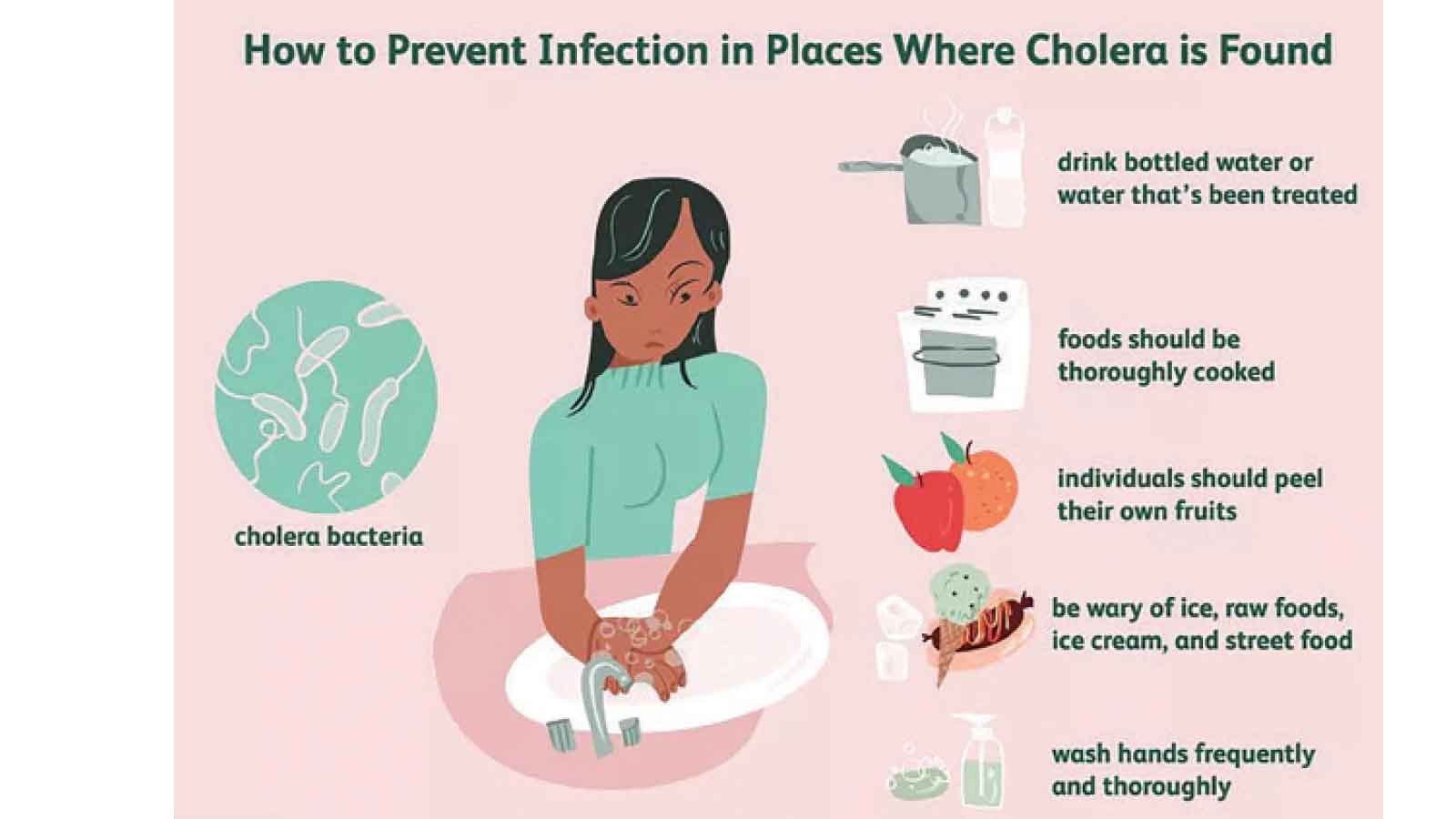
In its statement, the Ministry of Health urged the public to safeguard themselves by ensuring they drink only treated or boiled water, wash hands regularly with soap and clean running water, cook food thoroughly and consume it while hot, purchase food from approved sources, wash fruits and vegetables with clean water, and use safe sanitation facilities while maintaining good personal and environmental hygiene.
These guidelines, while familiar, remain essential pillars of cholera prevention.
Public health officials stress that even small lapses in hygiene can escalate outbreaks. A shared cup at a communal borehole, rinsing vegetables with unclean water, or eating cold food stored improperly can all introduce the bacteria.
Preventive behaviours, when consistently practised, dramatically reduce the chances of infection, particularly in densely populated settings.
Ministry of Health and Child Care surveillance teams have been working with local authorities in recent weeks to strengthen outbreak preparedness, including pre-positioning oral rehydration salts (ORS), distributing aqua tablets, and enhancing risk communication.
Cholera’s speed is what makes it so dangerous. In severe cases, the disease can cause a person to lose up to a litre of fluid per hour. Without quick intervention, typically through oral rehydration therapy or intravenous fluids, patients can deteriorate rapidly. This makes prompt care-seeking behaviour one of the most crucial determinants of survival.
Unfortunately, stigma and misconceptions still affect how people respond to early symptoms. Some assume diarrhoea will pass on its own. Others try home remedies first or fear being isolated at a clinic.
Zimbabwe’s rainfall patterns have become increasingly erratic due to climate change. These climatic shifts create favourable conditions for cholera outbreaks by disturbing sanitation systems and increasing surface water contamination.
With more storms expected between January and March, experts warn that the window for heightened cholera risk remains open. Communities in low-lying or poorly drained areas must be particularly cautious.
While community-level vigilance is essential, long-term resilience hinges on structural improvements. Upgrading water treatment plants, repairing sewer networks, completing dam and pipeline projects, and modernising waste management systems are central to reducing future outbreaks.
Government and local authorities, alongside development partners, have been collaborating to rehabilitate boreholes, expand piped water access, and increase the availability of sanitation facilities in vulnerable districts.
However, sustained funding and strong coordination remain critical. Public health researchers argue that cholera thrives not because communities lack knowledge, but because they often lack safe alternatives.
When clean water is unavailable, unsafe water becomes the only option. When toilets are in disrepair, open defecation fills the gap. Solving cholera therefore requires tackling the systemic gaps that force people into risky behaviours.
As the rainy season continues, the country faces a familiar but manageable threat, provided vigilance is maintained.
Zimbabwe has successfully contained outbreaks before, and with timely community action and strong health system response, it can do so again.
The message behind the Ministry of Health and Child Care’s warning is a reminder that cholera prevention starts at home, in markets, at water points, and in every shared space where hygiene plays a role.
While rains bring nourishment and life, they also demand heightened attention to the invisible risks they carry.
For now, we stay alert, practise safe hygiene, seek care early, and support community efforts to keep cholera at bay.
The season may be wet, but with collective effort, it does not have to be deadly.
Feedback: [email protected]