admin
admin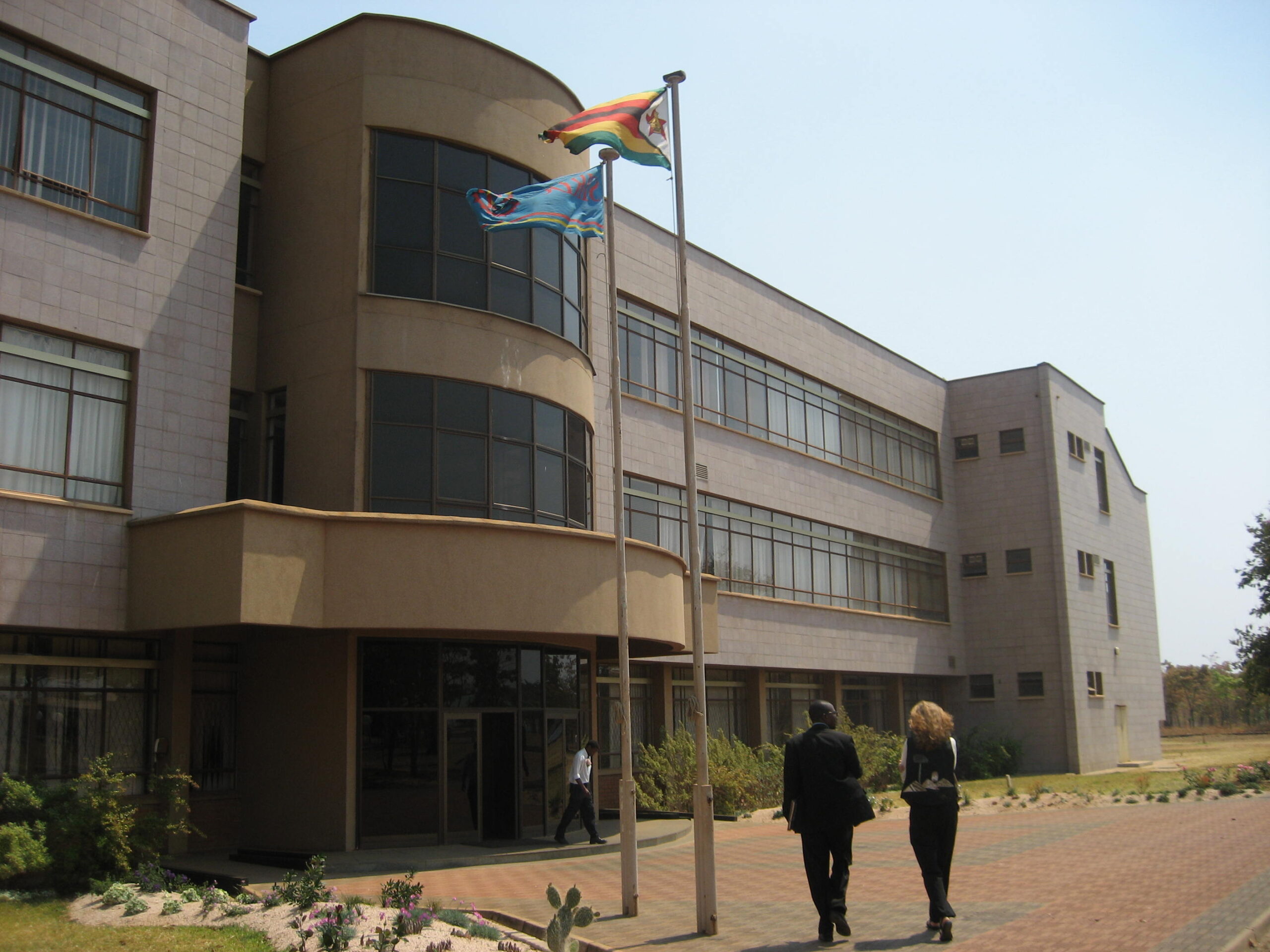
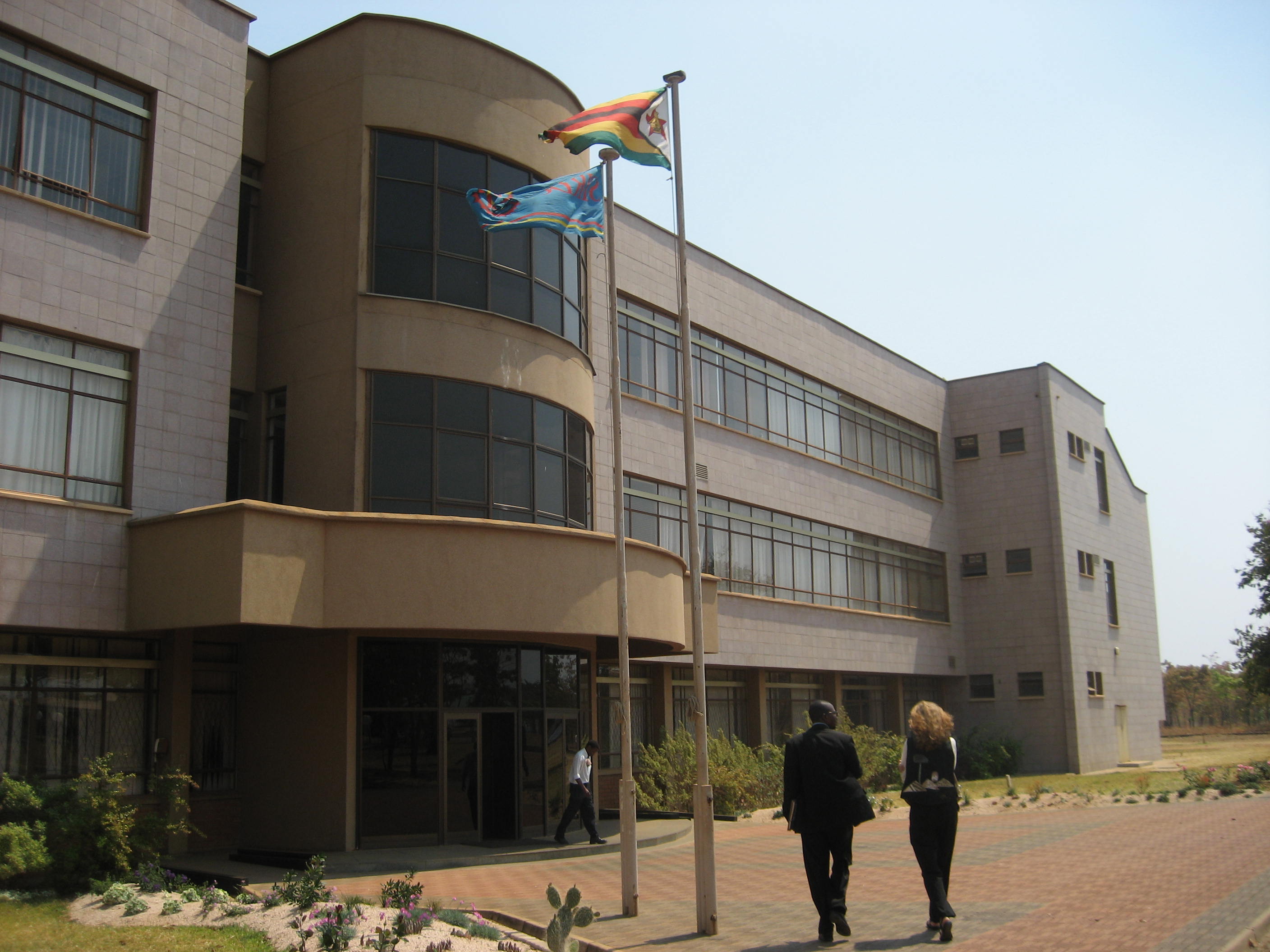 Scientific and Industrial Research and Development Centre (SIRDC) chief executive officer Dr Robson Mafoti has been appointed co-vice chairperson of the Korea -Africa Food and Agricultural Cooperation Initiative (KAFACI). Dr Mafoti was appointed at a meeting of KAFACI member countries held in Uganda recently.
A brainchild of the South Korean government, KAFACI is aimed at transferring advanced agricultural technology and experiences in agriculture to African countries.
At least 18 African countries including Angola, Cameroon, Ethiopia, Malawi, Tunisia and Zimbabwe are members of the organisation.
The Korean government administers the KAFACI through its Rural Development Administration (RDA).
Harare and Seoul last year launched the soya bean mechanization program which is being financed through a $150 000 grant to be availed over three years.
Dr Mafoti told New Ziana yesterday that he was appointed co-vice chairperson of KAFACI together with an official from Senegal until 2015.
“At this meeting that we attended last week in Uganda I was appointed co-vice chairman of KAFACI,” he said.
“If we win the bid to host the next meeting to be held in 2015, we will bring all the 18 member countries including the secretariat based in Korea then I will automatically become the chair of KAFACI.”
Dr Mafoti said he was confident Zimbabwe would win the bid to host the biennial meeting.
Meanwhile, Dr Mafoti said Zimbabwe had so far received $100 000 from Korea for the soya bean mechanization program.
He said the money was being used to procure farming implements such as threshers and hand held tillers from Korea.
“On our part we are not looking on depending on Korea for that equipment. We are now engineering that equipment with the hope that if we are capitalized then we can make it for our A1 farmers. Also our communal farmers need to be capacitated with mechanized farming implements.
“We have demonstrated this equipment to our A1 farmers and we have gone on to harvest soya beans in the Mazowe area and people liked it so in short we are going to start reverse engineering the thresher, the tiller and the harvester,” he said.
The mechanization program started with test runs on an initial two hectares of soya bean which was planted at the SIRDC institute before the equipment was spread and tested in other areas of the country. — New Ziana



 Online Reporter