Online Reporter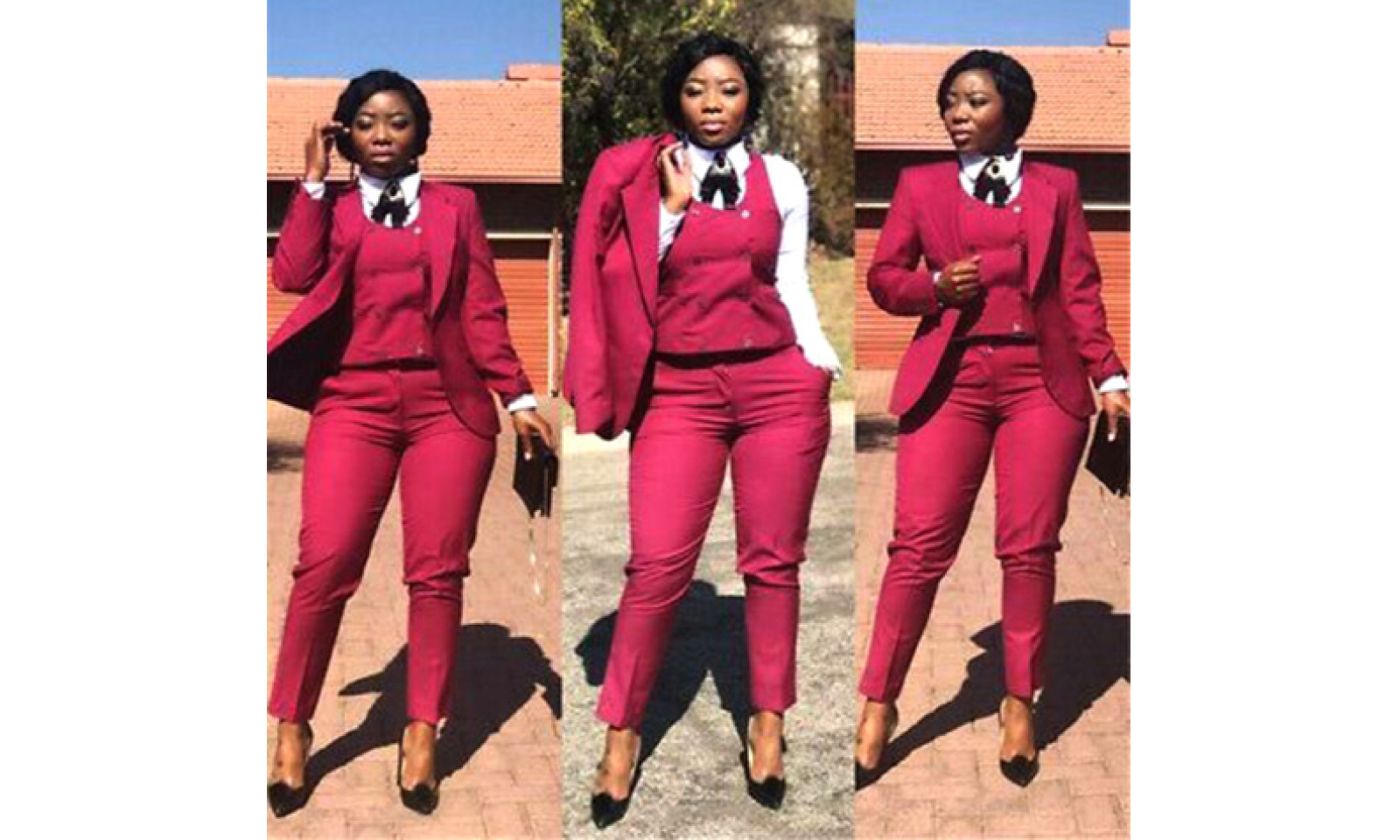
Coach Molly Chuma
Grooming Correspondent
In today’s appearance-conscious world, dressing appropriately is more than just about fashion — it’s about intention, identity and respect.
Whether you’re attending a business meeting, a networking event, or a casual Friday at work, your outfit is a visual cue that communicates who you are and how seriously you take the space you’re in.
Unfortunately, many people still get dress codes wrong — either overdressing or underdressing — causing embarrassment or missed opportunities. Let’s decode the most common dress codes, from casual to corporate, and help you show up right every time.
Casual
This is the most relaxed of all dress codes, but it still calls for presentability. Think comfortable yet neat clothing you might wear to a relaxed gathering or a weekend outing.
Men: T-shirts, polo shirts, jeans or chinos and casual sneakers or loafers.
Women: Blouses or neat tops, jeans, maxi dresses, jumpsuits and sandals or flats.
Avoid: Torn clothing, flip-flops, or anything too revealing. Comfort should not override cleanliness and decency.
Smart Casual
This is where style meets effort. It’s polished but not stiff. Smart casual is common for informal business meetings, dinner dates, or social functions.
Men: Collared shirts, dark jeans or tailored trousers, loafers or clean sneakers.
Women: Blouses, midi skirts, smart dresses, blazers, stylish flats or block heels.
Pro tip: A blazer can elevate almost any casual look into smart casual. Accessories should be tasteful and understated.
Business Casual
This is the most misunderstood dress code, especially in creative and modern workplaces. It strikes a balance between corporate formality and comfort.
Men: Dress shirts (with or without a tie), slacks, leather shoes, optional blazers.
Women: Tailored dresses, skirts, blouses, cardigans, modest heels or pumps.
Avoid: Denim, short skirts, or flashy prints. The goal is to be approachable yet professional.
Business Formal (Corporate)
This is standard in conservative industries like banking, law, and high-level executive settings. The look should be sharp, structured, and elegant.
Men: Well-fitted suits in navy, black, or grey, button-down shirts, formal shoes and conservative ties.
Women: Tailored suits, sheath dresses, neutral tones, closed-toe heels and minimal accessories.
Tip: Invest in high-quality wardrobe staples — these can be mixed and matched without ever looking repetitive.
Cocktail Attire
This is often requested for evening networking events, awards dinners, or semi-formal gatherings. It calls for elegance with personality.
Men: Suit and tie (not necessarily black), polished shoes.
Women: Chic cocktail dresses, jumpsuits, or skirt-and-blouse combinations, heels, and statement accessories.
Black Tie
Reserved for galas, red-carpet events and formal evening affairs. It’s glamorous and traditional.
Men: A tuxedo, white dress shirt, black bow tie, black dress shoes.
Women: Floor-length evening gowns, elegant makeup and accessories.
Why Dress Codes Matter
Dress codes are not about stifling individuality. They’re about dressing in a way that honours the setting, reflects the occasion, and expresses self-respect. Just like manners, what we wear sends a message — whether we’re conscious of it or not.
For professionals, dressing right can increase credibility and boost confidence. For students and job seekers, it communicates readiness and seriousness. For everyone, it’s a silent introduction before you even speak.
Tips for Navigating Dress Codes Gracefully
Always err on the side of being slightly overdressed.
When in doubt, ask. There’s no shame in clarifying expected attire for an event.
Keep essentials on hand. A blazer, neutral shoes, and a white shirt can rescue almost any fashion emergency.
Fit matters. Even the most expensive outfit can look sloppy if it doesn’t fit properly. Tailoring is a worthwhile investment.
Personal hygiene and grooming must complement your attire. A polished look includes clean hair, nails and shoes.
Closing Thoughts
Style evolves, but respect remains timeless. As Zimbabwe continues to nurture global citizens and leaders, let us also teach the language of attire — from casual to corporate — so that we raise a generation that knows not just how to dress, but how to impress with dignity, pride and purpose.