


 Sundaymail Editor
MUFUSHWA (dried vegetables) is the product of a time-honoured method of food preservation in Zimbabwe.
Today, I will show you how to prepare a delicious and nutritious dish: dried cowpea leaves in peanut butter (mufushwa wemunyemba une dovi).
Cowpea leaves, whether fresh or dried, are a nutritional powerhouse. They are an excellent source of iron, calcium, vitamin C, phosphorus, potassium and folate.
Notably, cowpea leaves are also a significant source of protein, a rarity among leafy greens. This makes them a valuable food for promoting strong bones and teeth, managing hypertension and diabetes, and supporting heart health.
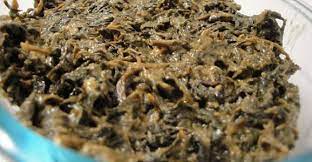
Enjoy this hearty dish with sadza, particularly remhunga, for a truly healthy and satisfying meal. If you desire, add your favourite roast meat for an extra dimension of flavour.
Ingredients
200g dried cowpea leaves (mufushwa wemunyemba);
Two teaspoons salt;
300ml water;
One medium onion, chopped;
Three large tomatoes, grated;
Two heaped tablespoons peanut butter;
Three tablespoons cooking oil
Instructions
- Gather all your ingredients. Place the dried cowpea leaves in a pot, add 300ml of water and one teaspoon of salt.
Partially cover the pot and boil for 15 minutes or until the leaves are tender.
- Remove the cooked cowpea leaves from the pot, reserving any remaining liquid (broth) in a separate jug.
- Heat the cooking oil in the same pot. Add the chopped onion and sauté for approximately three minutes, stirring regularly until softened.
- Add the grated tomatoes and the remaining one teaspoon of salt. Cook for another three minutes, stirring occasionally until the tomatoes begin to break down.
- Add the peanut butter to the pot, stirring briskly to combine. Add four tablespoons of the reserved broth from step 2 and continue stirring.
- Return the cooked cowpea leaves to the pot and mix thoroughly until all ingredients are well-combined. Reduce the heat to a gentle simmer and cook for approximately five minutes, stirring occasionally, allowing the flavours to meld.
- Taste the dish and adjust the seasoning as needed. Serve hot, traditionally with sadza. — Zimbokitchen



 Online Reporter