admin
admin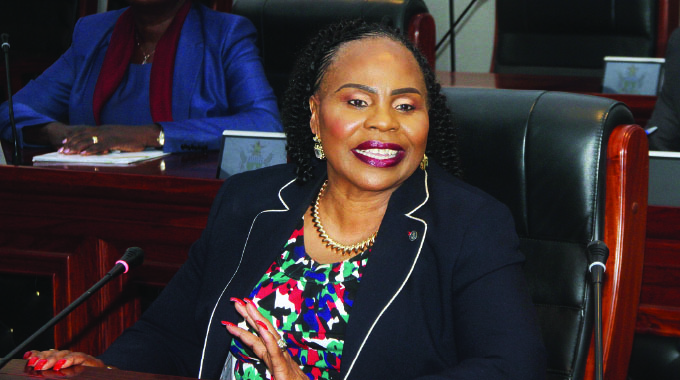
Rumbidzai Mushonga Herald Correspondent
Women are being empowered across the country to play a key role in national decision-making processes related to climate change, Women Affairs, Community, Small and Medium Enterprises Development Minister, Monica Mutsvangwa, has said.
Speaking during the inaugural gender and climate change symposium and the launch of the national gender and climate change task force in Harare last week, Minister Mutsvangwa said the Government was working on strengthening the participation and leadership of women in decision-making processes related to climate action, through the introduction of various programmes.
“We are implementing programmes to enhance women’s access to climate finance, technology and capacity-building opportunities. We are also collaborating with international partners to share knowledge, resources, and expertise.”
Minister Mutsvangwa added that climate change affects different genders unequally and extends beyond environmental concerns to encompass social justice and human rights. Women and girls are the worst affected by climate change, as they face unique challenges such as increased workload, limited access to resources, and heightened risks to their health and safety.
“It is, therefore, our responsibility to address these challenges and empower women,” said Minister Mutsvangwa.
A representative of women farmers, Ms Benenia Jeche, emphasised the critical role of women in the country.
“We are the breadbasket of Zimbabwe and we are also the seed savers,” she said.
“We are the ones who are at risk of being much affected by climate change. As small-scale farmers, we depend on rain-fed agriculture, and this year, it was hard for us due to climate change.
“However, as women farmers, we have ideas on how to deal with the situation. It’s impossible to run away from nature, so we are doing what we call agroecology as a way of mitigating (the impact of) climate change,” Ms Jeche added.
Chief Chitanga, born Mr Feleni Chauke, of Mwenezi called for the planting of more trees to prevent some natural disasters such as flooding and heavy winds.
“We are all leaders of the country so it’s our duty to find a way of feeding the country. Also it’s important to plant trees, specifically fruit trees,” he said.


 Online Reporter