admin
adminBlessing Rwizi
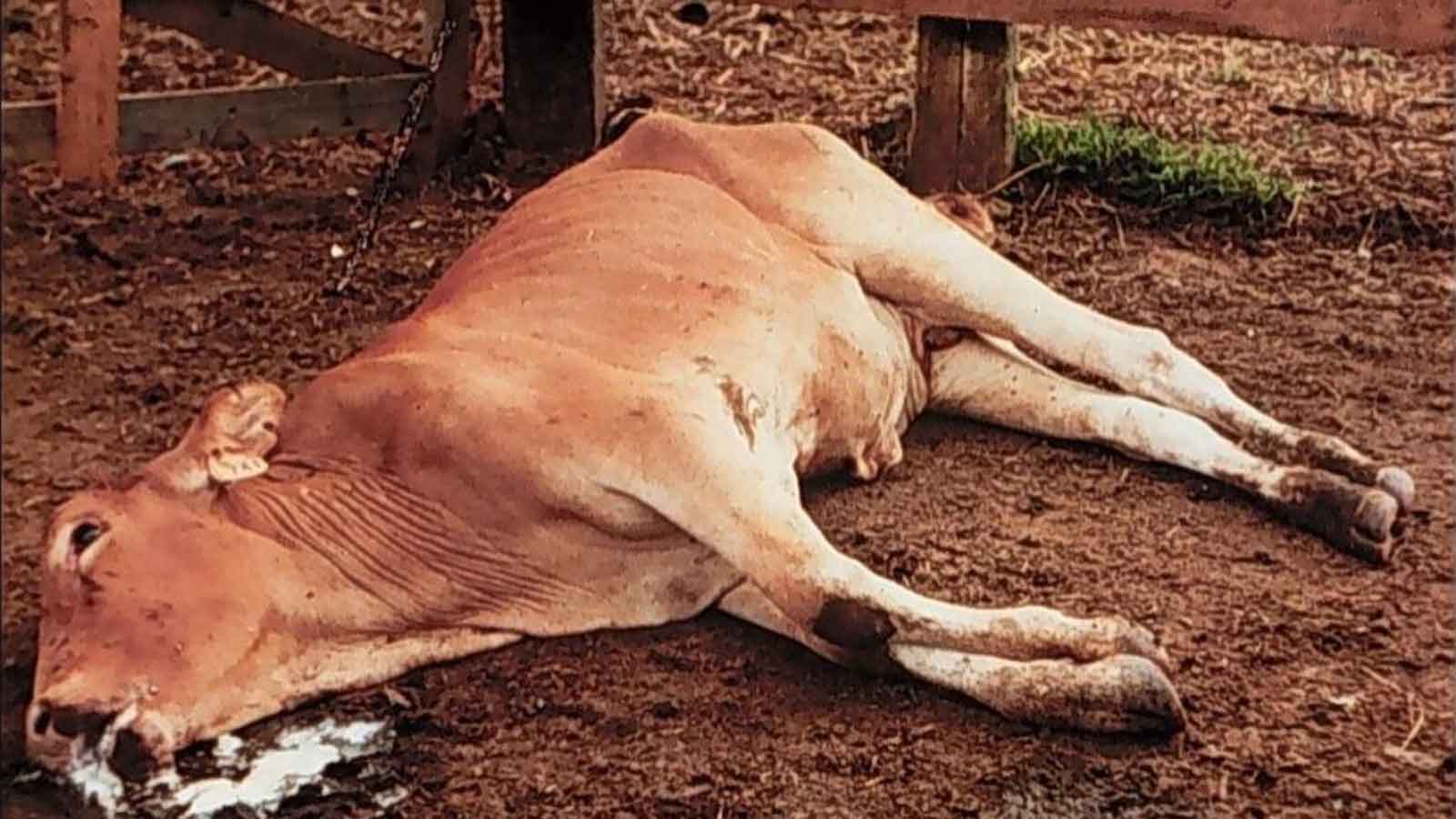
MORE than 500 cattle have so far died in the past few weeks in Buhera District as the current dry condition has caused pastures and water bodies to dry up. Buhera District Administrator, Mr Rolland Madondo, said cattle were dying at alarming rate. He said the dire water situation had forced villagers and animals to share the same boreholes at schools and shopping centres.
He admitted that the statistics could have been under-reported as some communal farmers were afraid of being barred from selling the meat from dead animals.
Such meat is not safe for human consumption.
“So far 480 cases of cattle deaths have been recorded in Buhera, of which there are some that have not been reported by the owners who are afraid of being prohibited from selling the beef from dead animals. Livestock deaths have become a daily occurrence and the situation is worrisome.
“The most affected area is Buhera South which stretches to Bichenough Bridge. Animals and people are now sharing the same water points, which is not health at all.
“Animals have no food and water and most of them are now forced to walk very long distances in search of water of which some are dying along the way. Government, however, chipped in with Food and Agriculture Organisation (FAO) assisting with affordable stock feeds, but farmers have no money to buy them.”
Buhera has three perennial rivers namely Save, Nyazvidzi and Dewure, the rest dry up if drier conditions persist.
“Most rivers dry up in the dry season, except for Dewure, Save and Nyazvidzi and cattle from areas such as Chabata, Bhegedhe and Mutepfa travel long distance to access drinking water from these rivers.
“Some of them succumb along the way. We are having a meeting with Non-Governmental Organisations (NGOs) this week to hear what they can do to help us resolve this problem.
“Farmers in this region rely most on cattle breeding and now if the animals are dying, then there the harsh conditions are destroying their livelihood,” said Mr Madondo.
Communal farmers in Buhera District rely most on livestock farming because of the dry conditions, high temperatures, tired and overworked sandy soils.
However, their cattle, goats, sheep, traditional chickens and turkeys rearing projects have also been greatly affected as the area has experienced no rains so far.


 Online Reporter