

 Online Reporter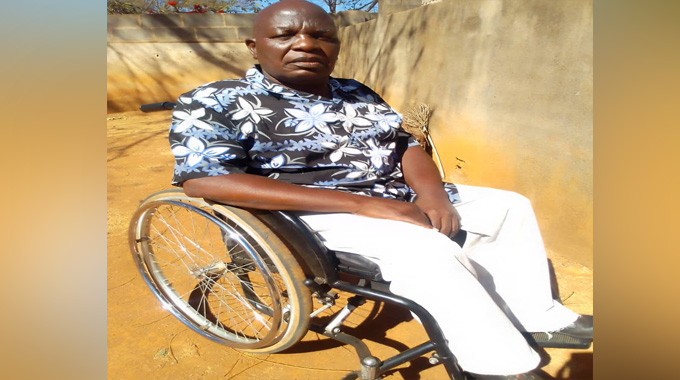
Amos Mpofu, [email protected]
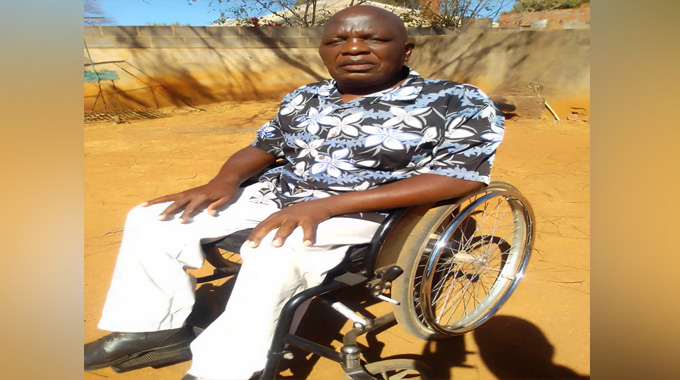
BULAWAYO-based gospel artiste, Gilbert Mujere Mpurungwe, popularly known as Elder Madondo, has found renewed purpose in music, using his talent as a tool to fight the scourge of drug and substance abuse across Zimbabwe and the wider SADC region.
His latest songs, now enjoying widespread airplay on several radio stations, speak directly to the dangers of drug abuse.
For Elder Madondo, the fight against drug abuse is not just a cause; it is deeply personal. A former drug user himself, he has endured the very darkness he now warns others about through his music.
In a candid recollection, he revealed how drugs once shattered his mental stability and left him hospitalised for more than six months. His downward spiral began at just 10 years old, when older peers exploited his innocence and introduced him to drugs.
Growing up at the Jairos Jiri Centre in Masvingo, a home for people with disabilities where he lived after being diagnosed with polio as a child, Elder Madondo found himself surrounded by others also battling substance abuse. Instead of finding refuge, he was pulled deeper into the destructive cycle.
“I clearly remember one day, a day I will never forget. There was a performance by a certain Smanje-manje music group from South Africa that I didn’t attend because Jiri, who loved playing draughts with me, since I was quite skilled, was around. The others went to the show and I stayed behind with him.”
But that night would change his life forever.
“Around midnight, the guys came back and woke me up. I remember them saying, ‘Gilbert, we’ve brought back some nice stuff from the South African guys.’ It was dagga, and they forced me to smoke it. After I did, I became very sick.” What followed was a terrifying experience that would haunt him for years.
“That night, I saw things I had never seen before. The white ceiling I was used to, turned into blackboards that looked like they were falling on me. I was screaming at things that weren’t even there.”
The nightmare did not end there.
“The next morning, I woke up with my chest horribly swollen and covered in black blood clots. I was rushed to the hospital. I knew it was the drugs. There was no mystery about it; I had taken drugs. I was hospitalised for six months, suffering from excruciating pains caused by them. It was a terrible experience and that’s when I decided never to touch drugs again.”
“The consequences of drug use are often twofold: you either die young or live with lifelong regrets. In my case, doctors confirmed that my high blood pressure was a direct result of my history with drugs. None of my grandparents had this condition; it’s something I now have to live with,” he added.
Driven by his past, he recently reached out to local radio stations, urging them to use his music as a national awareness message. Today, his songs enjoy regular airplay, something he said is already making a difference.
“I’m happy that, as per my wish, my songs are getting good airplay on radio stations. I’ve received feedback from people across Zimbabwe and even the region, confirming that the music is impacting lives. The fact that some songs are in English has also helped the message travel further,” he said.
Determined to connect more effectively with the youth, the artiste has stepped beyond traditional gospel, incorporating Jit-infused rhythms that appeal to younger listeners. Through these songs, he tackles drug abuse head-on, vividly exposing its consequences in a language and beat that resonate with his audience.
“I want to communicate the effects of drugs through the kind of music they love,” he said.
But Elder Madondo’s mission goes beyond music. He is spearheading the establishment of the Continental Ambulance Service for Psychiatric Patients, an initiative designed to provide urgent ambulance support for individuals battling psychiatric conditions, many of which are linked to substance abuse.
Looking ahead, he is preparing new releases for the upcoming festive season, a time he describes as particularly prone to “delinquency and reckless indulgence.” His hope is that these songs will act as both a warning and a lifeline.



 Bongani Ndlovu