


 Online Reporter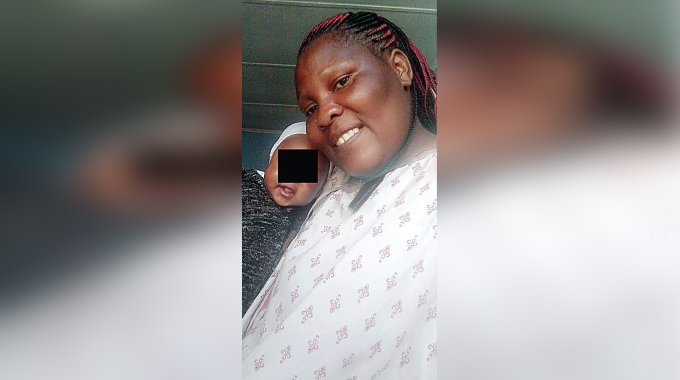
OBSTETRIC fistula is a significant health issue in Zimbabwe, caused by prolonged, obstructed childbirth without timely medical care.
The condition leads to a hole between the birth canal and the bladder or rectum, resulting in chronic incontinence of urine or stool.
In Zimbabwe, obstetric fistula is both a medical and human rights challenge. It reflects systemic healthcare and social inequities, and is positively correlated to the country’s high maternal mortality rate, currently at 212 deaths per 100 000 live births, according to the 2023-2024 Zimbabwe Demographic and Health Survey.
The causes include limited access to healthcare, including essential obstetric care during pregnancy and childbirth, adolescent fertility (early pregnancy), and existing harmful practices, which affect the normal delivery process.
In about 90 percent of cases, the baby does not survive, resulting in double tragedy to the mother — loss of a baby and having to deal with the devastating internal injuries.
Due to the stigma and isolating stench that often accompanies the condition, fistula condemns many women to a lifetime of being shunned by their family and community. It is not unusual to find them living alone in huts on the fringes of their villages and towns, isolated, unemployed and alone.
“It was one of the most painful moments I have ever endured,” Ms Katherine Manjengwa, a 32-year-old obstetric fistula survivor from Binga District in Matabeleland North Province, recalls.
“I could not go out to socialise because I was leaking urine. I felt cut off from the world.”
Ms Manjengwa lives in Manjolo communal lands in the Siamuchembu area under Chief Nenyunga.
When she developed obstetric fistula during the birth of her twin babies, she thought she would never have a baby again.
In 2007, Ms Manjengwa gave birth to twins and lost one of the babies because of prolonged labour. Although she had booked her pregnancy with the local clinic, she got into labour at home.
When she finally reached the healthcare facility, one of the babies had already died.
Ms Manjengwa had fistula repair in April 2018 and recovered well.
She tried for another baby the same year and was blessed with a baby girl. Unfortunately, the fistula recurred, most probably because she gave birth through a normal vaginal delivery, instead of a caesarean section operation since the fistula site was still fresh.
She went back for repair in September this year and the fistula was closed. Today, she is ecstatic.
Ms Manjengwa is one of the hundreds of Zimbabwean women who have successfully undergone fistula repair surgery, an intervention that has restored dignity for many survivors countrywide.
This first delay to seek medical help was to create all the problems she had faced for 14 years. A month later, her worst fear came true — her husband told her that he could not stay with her as she was constantly leaking urine.
Heartbroken and abandoned, Ms Manjengwa had no choice but to return to her parents’ home in Siamuchembu. There, she sought help from different hospitals, but none could provide a solution.
In Bulawayo, doctors tried their best to repair the fistula but only managed to stop the stool from dripping.
Ms Manjengwa says: “The urine would leak as I walked, sat, slept, and even as I became intimate with my husband.
“My husband could not tolerate the urine. It was also hard for me to go to gatherings, like funerals.”
She adds: “I could not sit as the pain became intense.”
She first went to Chinhoyi Provincial Hospital in 2016 for a fistula repair. Doctors there examined her and diagnosed her with obstetric fistula — a condition that affects thousands of women in Zimbabwe, yet remains preventable and treatable.
Ms Manjengwa was not served as she could not undergo surgery owing to her medical condition. Devastated, she returned home, only to face another heartbreak. Her husband, unable to cope with the smell of constant leakage, abandoned her.
In 2016, Ms Manjengwa met a man who accepted her despite her condition. They got married and have two children together. Life continued, but the burden of her condition remained.
A turning point came in August this year when she received a call from her friend, who referred her to Mashoko Hospital in Masvingo.
Sceptical at first, Ms Manjengwa hesitated. She had spent 14 years seeking answers with no success. But with persistent encouragement, she finally made the journey to Masvingo.
She underwent surgery, and for the first time in 14 years, she woke up dry.
“I couldn’t believe it. It felt like a dream,” she explains.
“For 14 years, I lived in solitude. I had no friends and no dignity.”
For Ms Manjengwa, this is more than just repair — it is a second chance at life.
“This surgery has given me my life back,” she says.
Integrating adolescent health into the Ministry of Health and Child Care in Zimbabwe is a critical strategy for preventing obstetric fistula. By embedding adolescent sexual and reproductive health (ASRH) services within national health frameworks, the ministry can address the root causes of early and unintended pregnancies, which significantly increase the risk of obstetric complications.
Initiatives such as the ASRH Strategy and integrated outreach programmes, providing education, vaccinations, and access to contraception, empower young girls with knowledge and resources to make informed health decisions.
Strengthening adolescent health services also ensures timely antenatal care and skilled birth attendance, reducing the likelihood of obstructed labour and its consequences. This holistic approach not only safeguards adolescent well-being, but also contributes to broader maternal health goals outlined in Zimbabwe’s Reproductive, Maternal, Newborn, Child, Adolescent Health and Nutrition (RMNCAH&N) Strategy.
Additionally, the provision of family planning to those who want it could reduce maternal disability and death by at least 20 percent.
Globally, two million women and girls suffer from the devastating condition. Although it is almost entirely preventable, the World Health Organisation estimates that between 50 000 and 100 000 women experience obstetric fistula every year, and that about two million women in sub-Saharan Africa are living with the condition.
In many areas, women lack awareness of or cannot afford the procedure, and doctors are not properly trained to perform it.
In 2003, UNFPA launched the Campaign to End Fistula with partner organisations, and in 2015, the campaign was cascaded to Zimbabwe. The actual burden of obstetric fistula in the country is unknown, but gauging from the high maternal mortality ratio (212/100 000 live births), it is estimated that the prevalence of obstetric fistula is correspondingly high.
As part of the campaign, the Ministry of Health and Child Care, with support from partners, Artemedis, the Fistula Foundation, UNFPA and Amnesty International, works to improve awareness of fistula.
It also links women to care and holds rotating camps around the country, during which women can access free fistula repair services. In Zimbabwe, more than 1 000 women have been repaired from obstetric fistulas since the campaign began in 2015.
“Obstetric fistula is almost exclusively a condition of the poorest, most-vulnerable and most marginalised women and girls,” says UNFPA Country Representative for Zimbabwe, Ms Miranda Tabifor.
“It afflicts those who lack access to the timely, high-quality and lifesaving maternal healthcare that they so desperately need and deserve, and that is their basic human right.”
Ms Tabifor adds: “We must “close the tap” by preventing new cases through access to quality maternal health services, while continuing to “mop the floor” by treating existing fistulas.”
Ms Lucia Masuka, executive director of Amnesty International Zimbabwe commends the Government for offering free services.
However, she believes authorities need to develop a strategy to help prevent this condition from afflicting young women.
“I want other women to know that fistula is not the end,” says Ms Manjengwa.
“With the right care and support, you can live again.” — New Ziana.


