admin
admin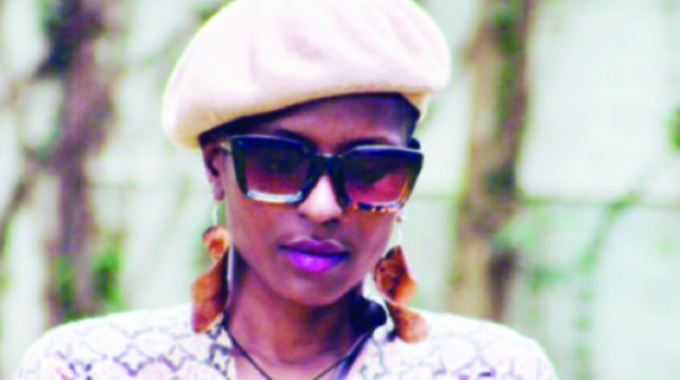
Rutendo Gomwe
Arts Correspondent
Scanning through archives of historical artefacts, there is one disturbing aspect, the suggestion that women have not been part of the creative arts history.
For some inexplicable reason, many women artists have been erased from art history. The vast majority of famous artists are men, many of whom are described as “Masters of the arts”.
Defying the age-old odds is an aspiring abstract artist, Chipochangu Dzimano, whose diverse creativity promotes social awareness and encourages conversations about sustainability and environmentalism, especially among younger generations.
Her parents discovered her talent at a very tender age of four and allowed it to grow.
“I remember when I was in grade four, my uncle discovered that I was creative, hence I started at a tender age, I have always had a passion for art, the same goes for a lot of people who are asked when they started to sing or dance, not all but a lot of people I have known anyway,” she said.
“I grew up seeing my mother wearing different types of earrings and that inspired me to make jewellery from tree pods.”
Chipo exhibited her brilliant works at an exhibition at Alliance Française in Harare themed gifted and talented where she showcased vibrant hand painted recycled bottles for décor, table centre pieces, multi purpose mason jars, vases, earrings made from Msasa pods, goat skin and Jacaranda tree.
Her inspiration is drawn from different sources.
“I get inspiration from various sources such as nature, books, art, galleries, cultural events, life experiences, and creative exploration and my role model is my long-time friend who is also an artist,” she said.
The story behind her artwork speaks unapologetically from a woman’s perspective.
“My story is about my life experiences, struggles, my triumphs, my losses and wins, my life has shaped the artist I have become,” said Chipo. “A lot of myself is in my artwork, I bring the stories to life through art, my work speaks unapologetically from a woman’s perspective.”
Chipo said she has met different artists including Gresham Nyaude, Mavis Tauzeni, Chokuwamba and Dutch Saidi.
She said the most difficult part of being a professional artist is managing the balance between creativity and business.
“As an artist it is important to stay inspired and create work that reflects your unique vision, at the same time an artist needs to be aware of commercial aspects of art such as pricing, marketing and networking,” she said.
“It can be challenging to find the right balance between these two sides of the profession. I have been able to successfully manage this balance by staying organised and setting realistic goals for myself.”


 Online Reporter