Online Reporter
Rutendo Nyeve in Ntabazinduna
A significant step towards modernising the country’s road infrastructure is now in full swing, following the successful rollout of an electronic tolling (E-Tag) system by the Zimbabwe National Road Administration (ZINARA) and its technology partner, Instatoll.

The system, designed to transform traditional toll gates into seamless toll plazas, aims to reduce congestion and improve efficiency for motorists.
The pilot project commenced six months ago, with the system going into full operation three months ago.

This emerged during a media tour at the Ntabazinduna toll plaza, the pioneer site on Thursday morning.
The initiative has already seen significant uptake, with distribution companies leading the pack in registrations.
During the tour, the Ministry of Transport and Infrastructural Development’s Permanent Secretary, Engineer Joy Makumbe, emphasized the Government’s drive towards world-class standards.
“We are moving from toll gates to toll plazas. We do not want to see you going there with hard cash. So when you travel, you know when your car reaches the plaza, the boom gate just opens. There won’t be any build-up of cars. We will be rolling these E-Tags out on all the roads that we are constructing,” she said.
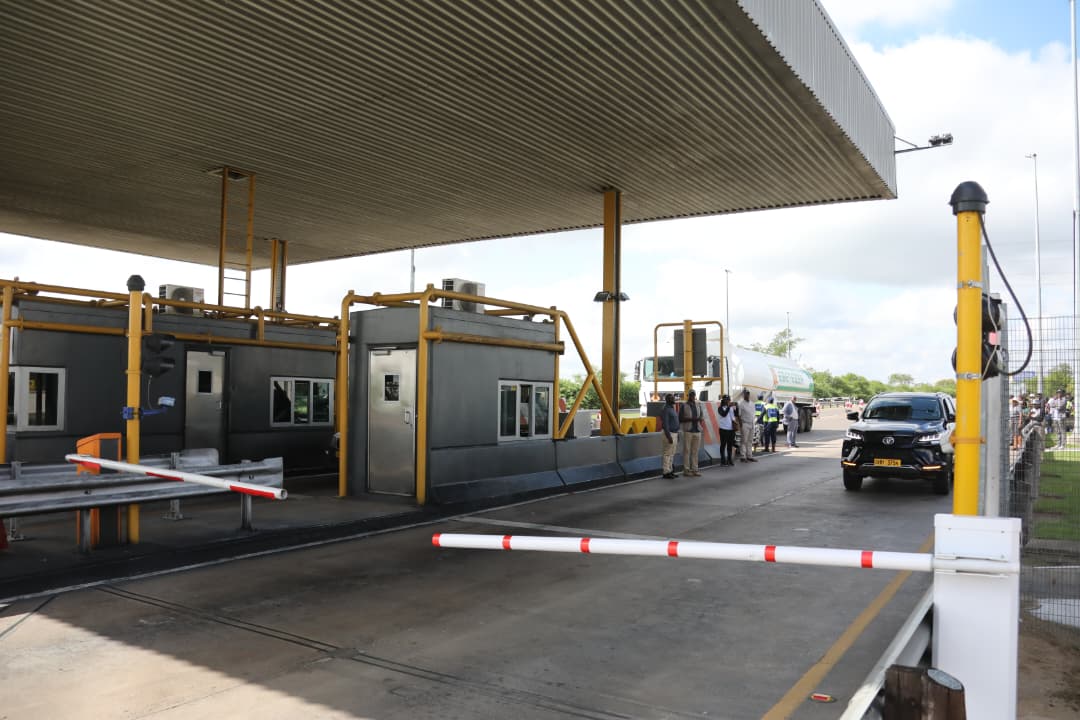
Instatoll’s Country Operations Manager, Mr. George Mupfuka, provided operational insights, noting that the company now operates 58 lanes across nine toll gates, with E-Tag lanes newly added.
“Ntabazinduna was the pioneer. We do have challenges here and there, but we have now put in a solution of e-tolling. This is a seamless solution,” he said.
He explained that the RFID-based system allows prepaid motorists to pass through without stopping, eliminating delays caused by cash transactions or network issues.
ZINARA Board Chairman, Mr George Manyaya, addressed public perceptions and future plans.
“This lane is not for government officials, as people think. Even you can actually access this lane, it is for everyone,” he clarified.
He also revealed that an e-wallet system linked to mobile SIM cards is in the pipeline, allowing users to pay for tolls and vehicle licenses electronically.
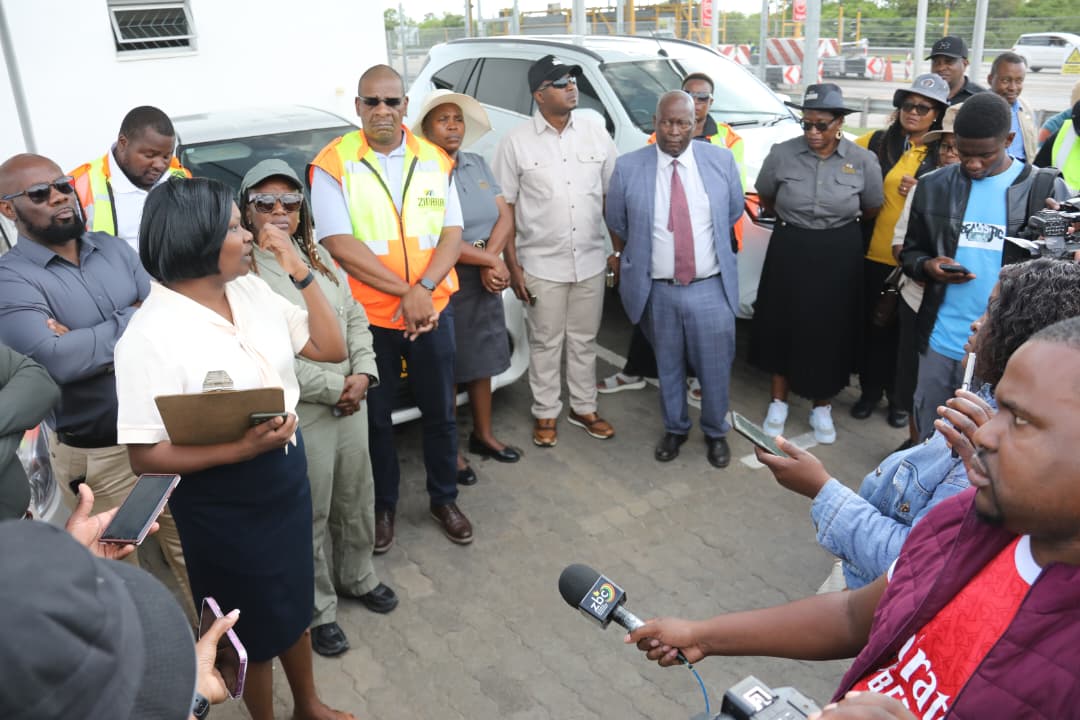
“We have got companies, especially those in distribution the uptake now is about 30 000 cars, and we hope to educate the public so that by next year we will actually get to almost everyone,” he said.
The shift to electronic tolling marks a critical step in Zimbabwe’s transport digitalisation journey, promising faster transit times and reduced congestion on the nation’s highways.