Online Reporter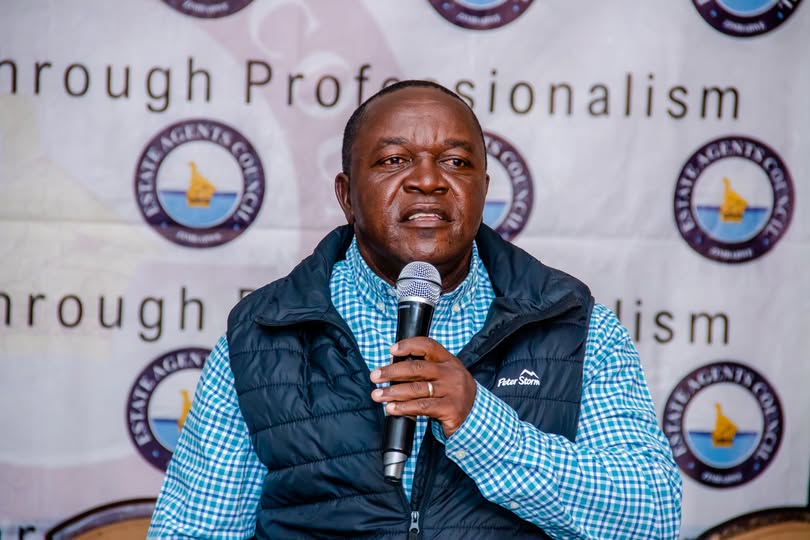
Rutendo Nyeve, Victoria Falls Reporter
THE inaugural land conference, organised by the Estate Agents Council (EAC) has commenced here in Victoria Falls bringing together a diverse array of stakeholders to chart a new course for land governance in Zimbabwe.
Held under the theme: Land Ownership, Investment, and Sustainability: Navigating Challenges and Opportunities in Zimbabwe, the conference has drawn policymakers, traditional leaders, real estate practitioners, financiers, and academics to the resort town for two days of critical dialogue.
Speaking during the opening of the conference, EAC Chairman, Mr Nico Kuipa underscored the significance of land as a foundational resource for the nation’s future.
“The conference speaks to a central pillar of sustainable development for our profession and our nation: how we steward land as a foundational resource for economic growth, social well-being, and resilience,” he said.
Mr Kuipa said the conference is pivotal for creating a modern, transparent, and durable land governance framework that strengthens trust, unlocks opportunity, and safeguards the shared future.
The conference agenda is set to delve into key issues including land reform opportunities, tenure security, and the alignment of legal and development strategies to promote sustainable land use and responsible investment.
Delegates will also explore sustainable urban and rural development models and best practices in land administration and conveyancing.
The Deputy Minister of Justice, Legal and Parliamentary Affairs, Advocate Nobert Mazungunye, the Permanent Secretary for National Housing and Social Amenities, Engineer T Chinyanga, and the Chairperson of the Zimbabwe Land Commission, Mrs Tendai Bare are some of the speakers expected to address the delegates.
Addressing the diverse audience, Chairman Kuipa outlined what the conference means for different sectors.
“For policymakers, it is an opportunity to co-create pragmatic, implementable frameworks that translate vision into action. For the private sector and financiers, it is a forum to understand stable and predictable land tenure regimes, improving risk assessment and investment confidence,” he said.
He added that for civil society and communities, it provides an avenue to voice perspectives, safeguard rights, and promote inclusive development, while scholars and practitioners have a chance to share best practices and innovations.
Mr Kuipa reaffirmed the council’s commitment to promoting harmonised standards and best practices in land administration, tenure security, and professional conveyancing.
“By leading this Land Conference, the EAC reaffirms its commitment and pledge to encouraging transparent, efficient, and legally robust processes that reduce risk for investors and safeguard the rights of communities,” he said.
The conference represents a significant step towards fostering a multi-stakeholder approach to land management, aiming to balance economic investment with social equity and environmental sustainability for generations to come.