Online Reporter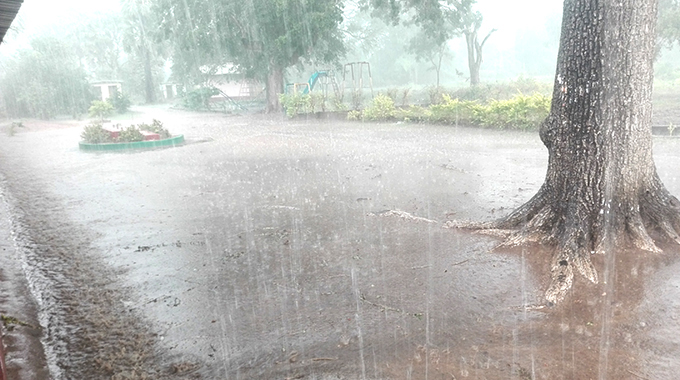
Patrick Chitumba, Zimpapers Writer
PERSISTENT rains across the country, combined with the early distribution of agricultural inputs by the Government, have lifted the spirits of farmers in Midlands Province, who are pressing ahead with planting in anticipation of a promising 2025/26 summer cropping season.
With weather experts predicting rainfall patterns similar to last year, confidence is high that Zimbabwe could move closer to achieving food self-sufficiency.
The Agricultural and Rural Development Authority (Arda) has already set ambitious targets for the province, aiming to put 7 000 hectares under maize and 7 500 hectares under sorghum. Projected harvests stand at 35 000 tonnes of maize and 22 500 tonnes of sorghum.
Designated by Cabinet in 2023 as the nation’s “food, feed, fibre and oil seeds security agent”, Arda is expected to play a pivotal role in supporting the country’s Strategic Grain Reserve. The Midlands’ improved output will contribute significantly to the national goal of producing 3,3 million tonnes of cereals this season.
Midlands Provincial Director for Agricultural Rural Development and Advisory Services, Ms Busiso Mavankeni, said land preparation is progressing well, urging farmers to take advantage of the early rains.
“The summer season is upon us. We are encouraging farmers to expedite land preparation. Farmers who have received cumulative rainfall of more than 25–30mm should proceed with planting,” she said.
To ensure accuracy, Ms Mavankeni advised farmers to consult local agricultural advisory officers for guidance tailored to soil type and rainfall patterns. She also stressed the importance of proper field management as rainfall intensifies.
“Farmers must ensure their fields have adequate drainage channels to divert excess water and prevent waterlogging,” she said.
Ms Mavankeni further encouraged the adoption of conservation farming techniques, including minimum tillage and maintaining crop residues to improve soil moisture retention and water infiltration.
On livestock, she reminded farmers to plant fodder crops and consistently dip their animals, as ticks thrive during the rainy season.
“Farmers must also watch out for pests and diseases and manage them early. Continuous monitoring of daily and weekly weather forecasts and early warning information from the Meteorological Services Department will help them make timely and informed decisions,” she said.
The Midlands summer cropping plan aligns with national policies aimed at building resilience, boosting food security and replenishing the Strategic Grain Reserve under the Agriculture, Food Systems and Rural Transformation Strategy (AFSRTS2).
Under the Presidential Input Support Scheme, farmers and traditional leaders have already received key inputs, including a 50kg bag of Compound D fertiliser, a 50kg bag of Ammonium Nitrate, a 5kg bag of maize seed, sorghum seed and herbicides such as Roundup and Atrazine.
Nationally, the 2025/26 Summer Cropping Season Plan targets planting 1,8 million hectares of maize under the Presidential Inputs Scheme and other Government support programmes, alongside 516 000 hectares of sorghum and 280 000 hectares of traditional grains.