Online Reporter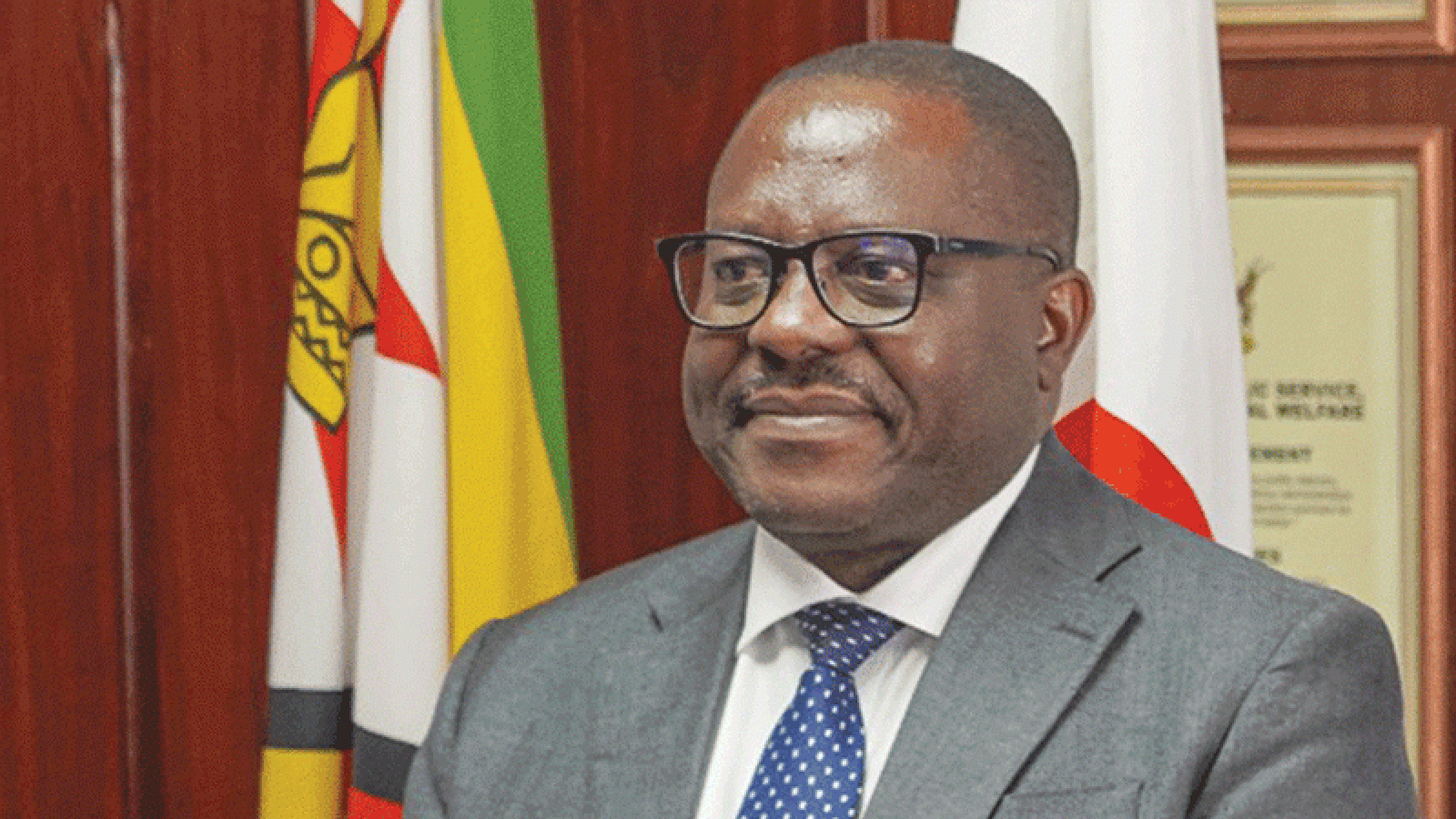
Theseus Shambare
ACCURATE weather information and early warning systems are a key component for farmers and the entire country, particularly as Zimbabwe continues to grapple with increasingly erratic rainfall, droughts, and cyclones linked to climate change.
Timely forecasts allow farmers to plan planting, irrigation and harvesting schedules, while also enabling communities to prepare for extreme weather events that threaten lives and livelihoods.
The upcoming summer season has been forecast with heightened variability in rainfall and potential heatwaves, prompting authorities to reinforce monitoring and early warning capabilities.
This season, accurate climate information is expected to be crucial in guiding decisions for crop selection, pest management and water resource allocation.
However, the maintenance of the infrastructure needed to deliver these services has long been a challenge.
Zimbabwe’s Meteorological Services Department (MSD) has struggled to keep weather stations operational in remote areas due to a shortage of vehicles and limited access for maintenance teams.
To address this gap, the World Food Programme (WFP) recently donated three Toyota Land Cruiser vehicles worth US$72 000 to MSD.
WFP deputy country director Billy Mwiinga said the vehicles will improve MSD’s ability to collect data, monitor equipment and disseminate timely information to farmers and vulnerable communities.
“These vehicles are more than transport—they are a tangible investment in our collaboration to strengthen climate services and early warning systems,” he said.
“Reliable mobility ensures MSD teams can reach remote communities, monitor weather patterns and deliver actionable information that saves lives and protects livelihoods.”
MSD director Mrs Rebecca Manzou welcomed the donation, noting it will significantly improve the department’s operational capacity. She recalled the challenges faced during Cyclone Idai in 2019, when the department lacked vehicles to deploy staff for urgent fieldwork.
“For the Met Department, there came a time when we did not have vehicles at a very crucial moment during Tropical Cyclone Idai. Receiving these vehicles feels like Christmas coming early,” she said.
“The vehicles will be used for fieldwork, including visiting weather stations, performing preventive maintenance, and repairing automatic weather stations crucial for accurate forecasts.
“These tools will allow us to maintain the network efficiently and reach communities that are often left out of climate preparedness initiatives.”
The partnership between MSD and WFP has also strengthened Zimbabwe’s participation in regional climate forums such as the Southern African Climate Outlook Forum (SACOF) and supported community-based early warning systems.
Farmers have directly benefited from this collaboration, using timely weather information to make informed agricultural decisions and reduce losses from droughts, floods and pests.
Looking ahead, both MSD and WFP emphasised the need for continued investment in infrastructure, technology and human capacity to ensure that early warning systems remain effective.
“Our goal is to empower farmers and communities to anticipate climate risks, protect lives and safeguard food security,” said Mrs Manzou.
With the upcoming summer season set to test the resilience of Zimbabwean farmers, the reinforced early warning systems, backed by operational vehicles and robust monitoring networks, will play a critical role in ensuring that accurate, actionable weather information reaches every corner of the country.