admin
admin
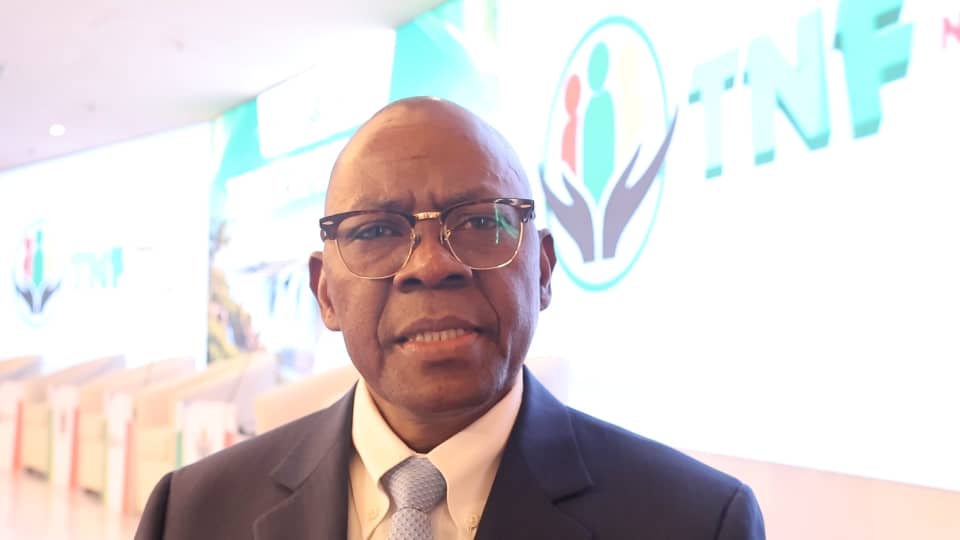
Dr Bongani Ngwenya
Preamble:
THE Zimbabwean economy is into its eighth year now from the hyperinflation era, albeit with very little signs of recovery and real economic growth. The economy is still reeling under multifaceted economic challenges. The economy is stuck in deflation after adopting multi-currency regime in 2009. Part of the deflation is imported deflation from our largest trading partner in the region — South Africa from the depreciating rand since 2015.
Consumers are not yet able to shoulder the burden of driving the economy yet, as the propensity to save is almost zero for the majority. The job market is distressed, with vacancies declining across the market as companies reduce hiring in response to slowing business growth. The stock market slump has also taken a toll, with the main industrial indices and market capitalisation plummeting since the adoption of the multi-currency regime.
Ordinary investors and institutional investors have been pouring money into the stock exchange market over the past years, and many are now sitting on losses. The overall result is that consumers are spending less-normal phenomenon in a deflationary economy.
Retail sales, nevertheless have been growing as evidenced by the heavy import bill that is almost 100 percent consumptive.
Subdued export earnings have exacerbated the liquidity crisis, with commercial banks running out of cash of late.
The export earnings that is heavily skewed and dependent on commodities has been hard hit by the slowing growth in emerging markets including China that is saying to be on smart growth now. This has affected the commodities markets with suppressed commodity prices as demand is lowering. The prospects of a looming drought in 2015/2016 is also a cause for concern, for both export earnings and the local industry’s performance as the agricultural sector continues to be the major feeder to the industry in Zimbabwe.
If we were to eliminate the use of multi-currencies from the equation today, the challenges could be more.
The lasting solution lies with restoring investor confidence, both domestic and foreign, notwithstanding the need for more of foreign direct investment. The importance of restoring investor confidence needs not to be over emphasised.
Restoring investor confidence would go a long way towards Zimbabwe being able to attract mutually beneficiary investment that can help the country to wean itself off a debt-driven growth model that has led to wasteful, Government-led investment, such as the Build, Operate and Transfer investment models that have not been mutually beneficiary for the country.
Policy makers at the same time want indigenous people of this country and consumers to become the main engine for the economy growth.
This is good, but that will take time. Increased foreign investment has a potential of maintaining growth by keeping credit flowing to favoured infrastructural development and other capital investment projects, a nationwide programme that amounts to millions of dollars’ worth of investment in the new identified special economic zones.
These zones have a potential of attracting foreign investment and domestic investors to redevelop the zones infrastructure as well.
We could see sprouting good road networks and rail networks. I believe it is Government’s hope to bring in private investment to help finance these special economic zones. But such efforts have not been enough. The Government needs to do much more in terms of building investment confidence. While it is evident that there are infrastructural investment deals that have been signed by the Government and China which marks a marginal rise in infrastructure investment, these levels of investment have failed to offset the nationwide pullback in spending on new factories and apartment block towers in the country’s major towns.
The effort by the Minister of Finance and Economic Development Patrick Chinamasa to mend the country’s relationships with the multilateral and bilateral lenders and the international community at large, the Special Economic Zones Bill that is on the cards, and the imminent amendment of the Indigenous Policy Bill following the clarification and instruction by the President are steps in the right direction towards restoring investor confidence in order to boost foreign direct investment inflows.
There is evidence that potential investors out there still perceive Zimbabwe as still investor unfriendly. In other words, investor confidence is low. The number of potential foreign exhibitors in the Zimbabwe International Trade Fair (ZITF) this month has not changed from that of last year.
ZITF is a platform that brings together local and foreign companies to showcase their products and business. Networks are build up, and business deals are entered into and signed. This year’s Trade Fair could have been an opportunity for the Government through the ministries of Industry and Trade, Economic planning, and Finance and Economic Development to articulate the policy on special economic zones, including the special economic zones bill that is on the cards, the work that has been done so far towards improving the easy of doing business in Zimbabwe, and clarification of the indigenous policy.
In conclusion, it is my wish that the attention that was given to and the speed at which the amendment of the Labour Act following the unilateral decision by companies to retrench employees taking advantage of the Supreme court’s unpopular ruling can be accorded to the Special Economic Zones bill, and the amendment of the indigenous policy, for the sake of restoring the investor confidence in our economy.
Dr Bongani Ngwenya is a Bulawayo- based Economist and Senior Lecturer at Solusi University’s Post Graduate School of Business. mailto:[email protected]/ [email protected]



 Online Reporter