admin
adminDr Norbert Hosho
Correspondent
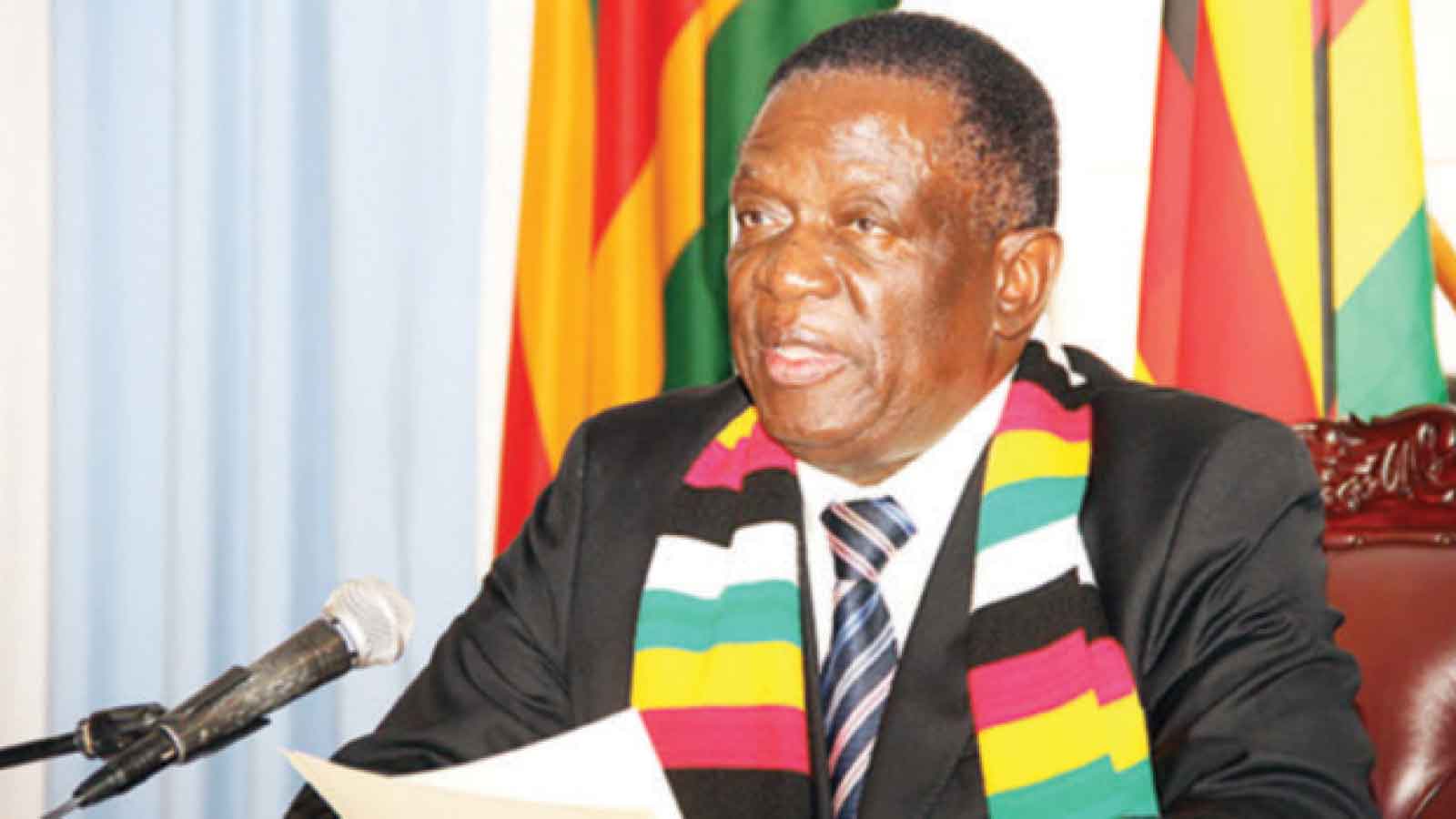
President Mnangagwa’s “Nyika inovakwa nevene vayo” philosophy, which translates to “a country is built by its own people,” has been a guiding principle in Zimbabwe’s economic transformation journey.
This philosophy emphasises self-reliance, empowerment of local communities, and underscores the importance of harnessing Zimbabwe’s abundant natural resources and human capital to drive economic growth and development.
It encapsulates a vision where the country’s prosperity is intricately linked to the utilisation of its own resources for sustainable growth.
Since assuming office, President Mnangagwa has been instrumental in translating this philosophy into tangible economic reforms, investment strategies, and sustainable development initiatives aimed at realising Vision 2030.
In the domain of economic governance, the fusion of philosophy and practical implementation plays a pivotal role in shaping the trajectory of a nation’s development.
Deeply rooted in self-reliance and empowerment, the philosophy serves as the guiding light for Zimbabwe’s economic reforms, investment strategies, and sustainable development initiatives.
Economic philosophy in action
The Second Republic has embarked on a series of economic reforms aimed at revitalising Zimbabwe’s economy and setting it on a path towards achieving Vision 2030-a blueprint for transforming the nation into an upper-middle-income country.
Central to these reforms is the emphasis on leveraging Zimbabwe’s abundant natural resources, fostering a conducive business environment, and attracting foreign investment to drive economic growth.
These reforms are designed to address key challenges such as unemployment, inflation, and foreign currency shortages that have plagued the country for years.
The Second Republic’s economic agenda focuses on utilising Zimbabwe’s rich natural resources, such as gold, platinum, and diamonds.
Government has introduced policies to attract investment in the mining sector, streamline regulations, and promote sustainable exploitation of these resources for the benefit of the economy and its citizens.
The President has also prioritised creating a conducive business environment to attract both domestic and foreign investment.
Reforms aimed at improving ease of doing business, reducing bureaucratic red tape, and enhancing transparency have been implemented to encourage entrepreneurship and stimulate economic activity across various sectors.
Foreign Direct Investment (FDI) plays a crucial role in driving economic growth and development.
Government has actively sought to attract foreign investors by offering incentives such as tax breaks, investment guarantees, and protection of property rights.
Infrastructure development plays a vital role in driving economic growth.
The Second Republic’s administration has prioritised infrastructure projects such as road construction, energy generation, and telecommunications expansion.
These investments not only improve connectivity within the country but also enhance Zimbabwe’s attractiveness as an investment destination.
Impact on investment strategies
By emphasising self-reliance and local empowerment, Government has prioritised partnerships with domestic investors and businesses.
This approach not only fosters economic growth but also ensures that the benefits of investment are shared more equitably among Zimbabweans.
Furthermore, the Second Republic’s administration has promoted transparency, accountability, and good governance practices.
These efforts have helped rebuild international confidence in Zimbabwe as a viable investment destination.
One of the key ways President Mnangagwa’s philosophy has influenced investment strategies in Zimbabwe is by promoting local entrepreneurship.
The emphasis on self-reliance has encouraged Zimbabwean entrepreneurs to take the lead in driving economic growth and development.
This has led to an increase in local businesses and start-ups, creating more investment opportunities within the country.
The “Nyika inovakwa nevene vayo” philosophy has led to a delicate balance between advancing national interests and fostering global partnerships.
While prioritising local development, President Mnangagwa’s administration has also sought to engage with international investors and organisations to leverage external expertise and resources for the country’s benefit.
This approach aims to maximise opportunities for growth while safeguarding Zimbabwe’s sovereignty and interests.
Sustainable development initiatives
In line with his philosophy, President Mnangagwa has championed sustainable development initiatives that prioritise environmental conservation, social equity, and long-term prosperity.
Government has launched programmes to promote renewable energy sources, improve access to clean water and sanitation, and enhance healthcare services across the country.
Additionally, efforts to promote education and skills development are central to achieving sustainable development goals under the Second Republic’s leadership.
By investing in human capital and empowering local communities through heritage-based education and training programmes, Zimbabwe is laying the foundation for a more prosperous future.
Agriculture plays a crucial role in Zimbabwe’s economy, the philosophy has led to increased investment in this sector.
Government has implemented various programmes to support small-scale farmers boost agricultural productivity and ensure food security. Through prioritising local agriculture, Zimbabwe aims to achieve sustainable development through self-sufficiency in food production.
Sustainable development cannot be achieved without environmental conservation.
The Second Republic underscores the importance of preserving natural resources for future generations. Government has implemented policies to protect the environment, promote renewable energy sources, and mitigate the impact of climate change. Integrating environmental considerations into development initiatives will ensure Zimbabwe strives for a more sustainable and resilient future.
Envisioned way forward
Looking ahead, President Mnangagwa envisions a future where economic reforms, investment strategies, and sustainable development initiatives continue to be guided by the principles of self-reliance and community empowerment.
To achieve Vision 2030, Government will need to sustain its commitment to fostering a business-friendly environment, attracting investments that benefit all citizens, and promoting sustainable development practices. By staying true to his philosophy of
“Nyika inovakwa nevene vayo,” President Mnangagwa is leading Zimbabwe towards a path of economic transformation that prioritises inclusivity, sustainability, and prosperity for all its people.
Moreover, prioritising human capital development through education and skills training will be crucial in ensuring that Zimbabweans are equipped to fully participate in the country’s economic transformation.
By investing in infrastructure, technology, and innovation, Zimbabwe can position itself as a competitive player in the global market while creating opportunities for its citizens to thrive.
Dr Norbert Hosho is the president and founder of Zimbabwe Anti-Sanctions Trust (ZAST), an educationist and trainer in financial literacy, economic empowerment and entrepreneurial leadership. He is the author of the book “Sanctions Against Zimbabwe: Debilitating effects, resilience in adversity and envisioned way forward”.
Feedback: +263773115890.


 Online Reporter