

 Online Reporter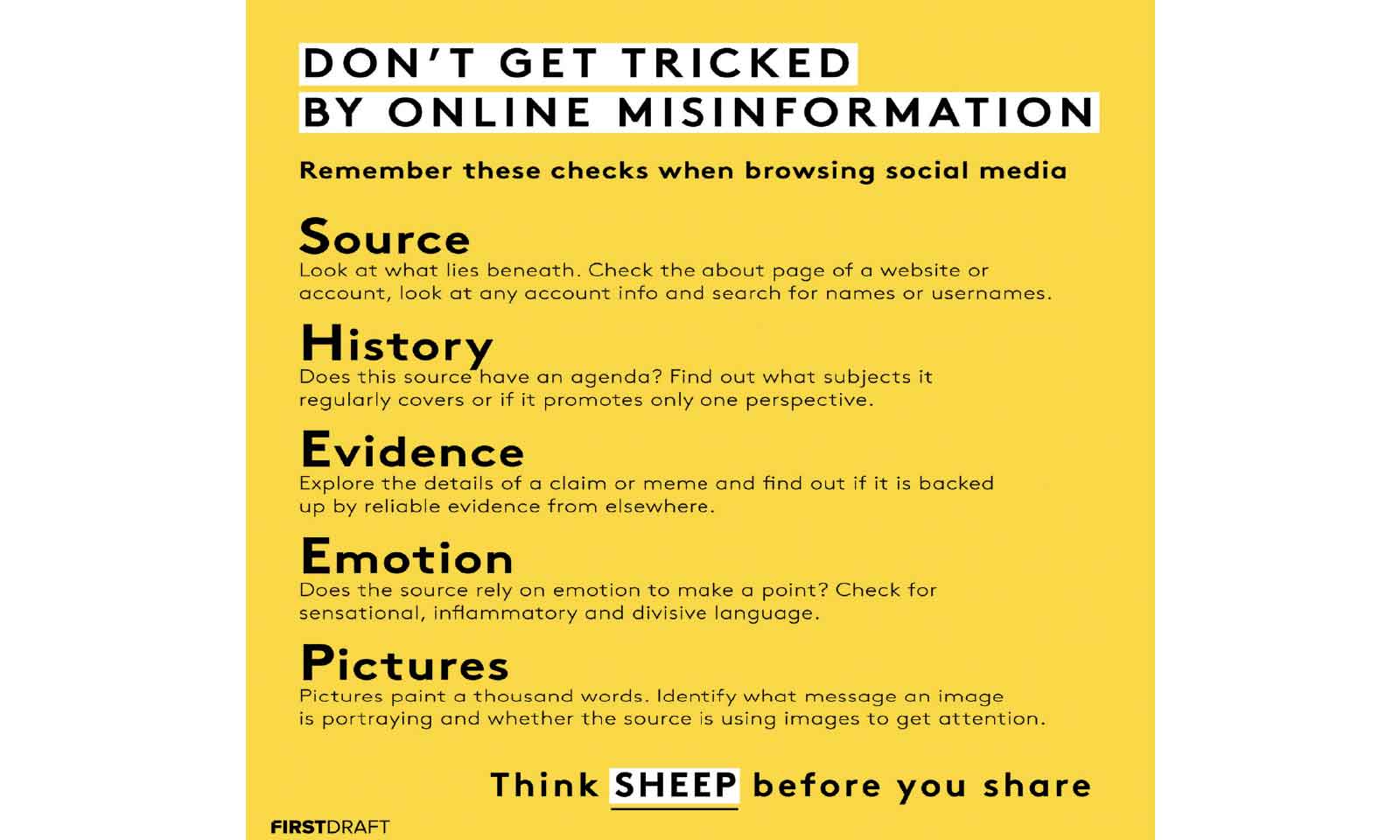
Kelly Ngarava
MISINFORMATION is no longer an accident of the digital age. It is an industry.
ZimEye represents that industry in its rawest form, a platform that survives not on accuracy or public interest, but on outrage converted into income.
Zimbabweans must understand this clearly, because every click, share, and comment is not a harmless reaction.
It is financial support for a business model built on distortion.
ZimEye’s operation is simple. Sensational headlines are published at speed, often targeting high profile State officials or institutions. Verification is absent or minimal. Anonymous sources are treated as sufficient proof.
Context is stripped away. What remains is an emotionally charged narrative designed to provoke anger, fear, or suspicion. That emotional reaction drives traffic.
Traffic generates advertising revenue. Revenue sustains the lifestyle of the publisher.
This is not journalism. It is monetised provocation.
Zimbabweans should pause and ask a basic question before clicking or sharing such content: who benefits? The answer is not the public. It is the individual behind the platform.
Each click feeds an advertising algorithm. Each page view boosts impressions. Each viral post increases earnings. Misinformation is profitable precisely because it travels faster than truth.
The targeting of senior officials, including the recent attacks on the Director General of the Central Intelligence Organisation, follows this same pattern. Institutions that symbolise authority and stability attract attention.
Allegations involving security generate emotional engagement. Whether the claims are true is secondary to whether they trend. In the economics of misinformation, outrage is the currency.
Zimbabweans must stop financing this behaviour. Consuming click bait is not neutral. It is participation. It is a form of economic endorsement.
If citizens continue to reward sensational extremism with attention, they will continue to be used to subsidise someone else’s income while national cohesion is undermined.
There is also a broader issue that must be understood. The internet is not lawless. The belief that operating from outside Zimbabwe provides permanent immunity is false.
Across the United States and Europe, regulators and courts have increasingly treated online misinformation, defamation, harassment, and coordinated smear campaigns as prosecutable conduct when harm can be demonstrated.
In recent years, individuals and digital publishers in Western jurisdictions have faced civil judgments, asset seizures, platform bans, and in some cases criminal proceedings for defamatory content, cyber harassment, and disinformation operations. Jurisdiction is no longer defined only by geography.
It is defined by reach, impact, and victims. When content causes reputational, financial, or security harm across borders, legal consequences can follow.
Cyber protection laws are tightening globally. Advertising networks are cooperating with regulators. Platforms are sharing data. Financial trails from clicks to bank accounts are increasingly traceable.
What once looked like online bravado is now digital evidence. Those who mistake virality for invincibility often learn otherwise.
This is not a threat. It is a reality of modern cyber governance.
Zimbabweans should also understand that freedom of expression does not include freedom to defame, mislead, or deliberately destabilise. Journalism carries responsibility. Activism carries accountability. Business models built on falsehood carry risk.
The pattern of sensational extremism at ZimEye reflects not courage, but desperation.
As progress becomes harder to deny, narratives become louder and more reckless. Stability does not generate clicks.
Calm governance does not trend. Manufactured scandal does. That is why the noise escalates when the facts improve.
Zimbabwe is not perfect, but it is moving forward. Its institutions are functioning. Its economy is stabilising. Its security architecture remains professional. These realities do not align with the permanent crisis narrative that some platforms depend on for survival. When facts threaten profit, facts are attacked.
Citizens must defend themselves digitally. Practice cyber hygiene. Question sources. Demand evidence. Refuse to amplify anonymous claims. Understand that algorithms reward emotion, not truth. Protect your data, your attention, and your national discourse.
To those running misinformation operations, the message is equally clear. The digital space is evolving. Laws are evolving.
Enforcement is evolving. What may look like easy money today may become legal exposure tomorrow. Work is not a crime. Journalism is not a crime. But monetising smear campaigns carries consequences, and those consequences are increasingly global.
Zimbabweans should not be conscripted into funding misinformation. Clicking is not passive. It is payment.
It is time to withdraw economic support from platforms that trade in distortion and invest attention in credible, accountable media.
Truth deserves better economics.



