admin
adminConrad Mwanawashe : Business Reporter
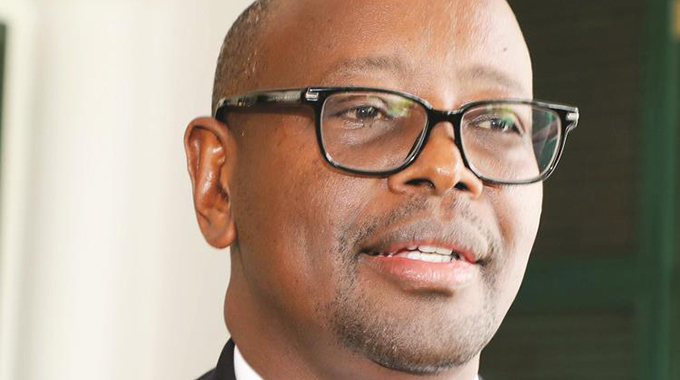
ZIMBABWE should register annual growth of at least 7 percent as prescribed in the economic blueprint the Zimbabwe Agenda for Sustainable Socio-Economic Transformation if the country is to eradicate poverty. “If we are growing at between 1 percent and 4 percent it means it will take us over 50 years to double our income. So we have to do something to make sure that we grow at the Zim-Asset rate of about 7 percent that is the only way that we can make a dent on poverty reduction,” the Reserve Bank of Zimbabwe deputy governor Dr Kupukile Mlambo said yesterday.
Dr Mlambo who is in charge of economic research, policy and finance at the RBZ was addressing a breakfast meeting organised by the Zimbabwe Open University on New Business Opportunities and Growth in the Context of Indigenisation and Zim-Asset.
The Results Based Agenda for the five years to December 2018, Zim-Asset, is built around four strategic clusters that will enable Zimbabwe to achieve economic growth and reposition the country as one of the strongest economies in the region and Africa. The four strategic clusters identified are: Food Security and Nutrition; Social Services and Poverty Eradication; Infrastructure and Utilities; and Value Addition and Beneficiation.
The Zimbabwean economy has been on a downward trend having reached a peak of 11,9 percent in 2011. The economy is projected to record 1,7 growth this year.
To grow the economy to levels where poverty can be alleviated, painful structural reforms are required, according to Dr Mlambo.
“We need to undertake very serious painful structural reforms. Firstly, we need to clean the business environment. In other words we need to look at
the whole gamut of policies, legal and institutional regulatory conditions that govern business in this country. Clearly we are making some progress. Government is running the Rapid Results Approach to address some of the Ease of Doing Business issues,” said Dr Mlambo.
We have been harmonising the processes for business set up and the issuing of business permits. We are also working hard to implement the Special Economic Zones,” he said.


 Online Reporter