Online Reporter
Business Reporter
ZIMBABWE remains on course to achieve the 5 percent economic growth projection for 2026, underpinned by continued favourable performance in the agriculture, mining, manufacturing and services sectors, the Reserve Bank of Zimbabwe has said.
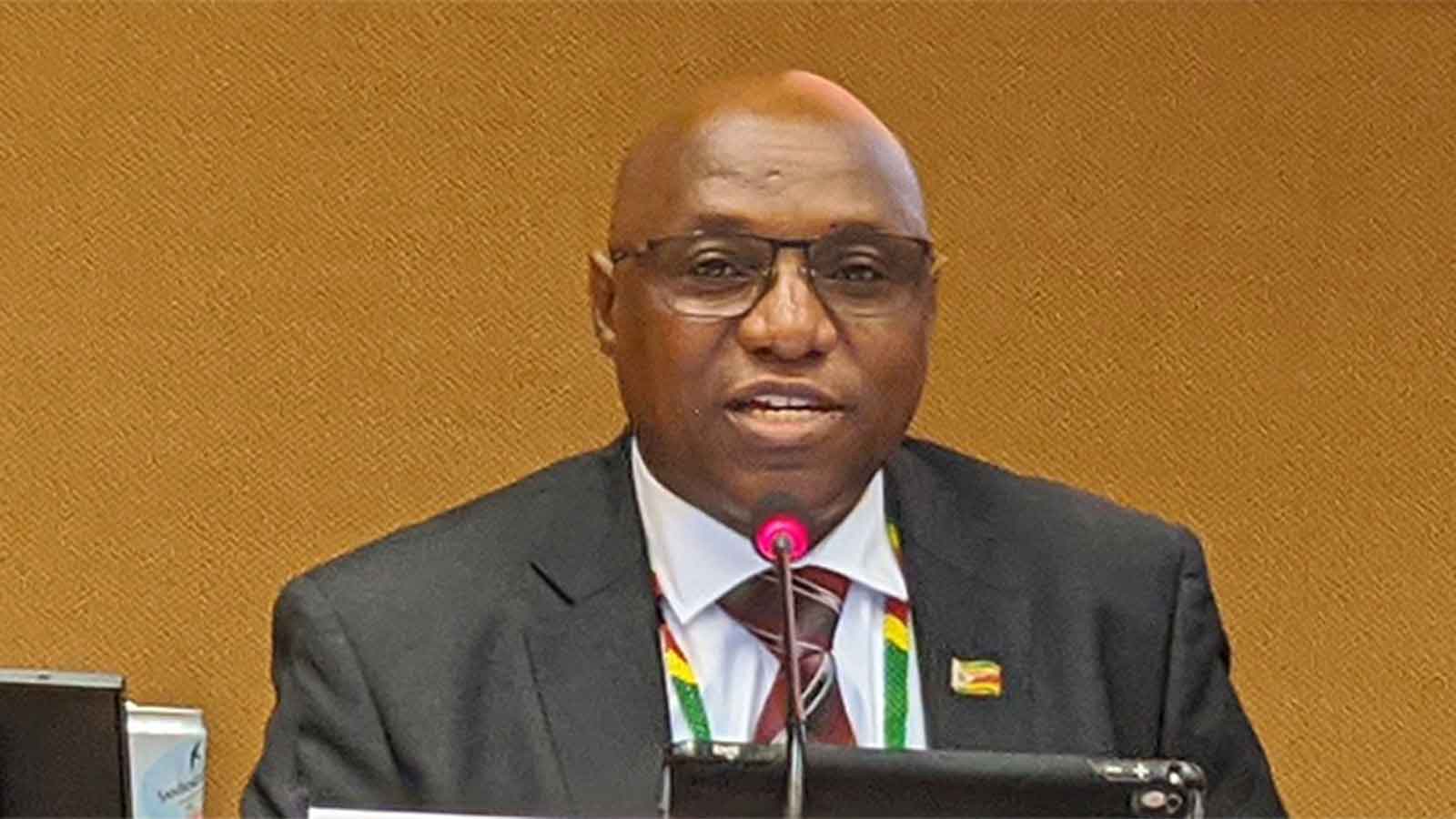
Presenting the 2026 Mid-Term Monetary Policy Statement, RBZ Governor Dr John Mushayavanhu said the estimated gross domestic product figures for the first quarter show strong performance with year-on-year growth at 6,8 percent compared to 4,4 percent realised in the first quarter of 2025.
“The growth benefited from improved availability of foreign exchange in the Willing-Buyer Willing-Seller interbank market, as well as reliable power supply that has supported increased productivity across all sectors of the economy.
“Signals from the Composite Indicator of Economic Activity (CIEA) point to continued robust economic activity in June 2026, following a seasonal downturn in January 2026.”
The robust economic growth momentum for the country has supported a 47,8 percent increase in foreign currency inflows during the first half of the year, which amounted to US$10,72 billion as of 30 June 2026, compared to US$7,25 billion recorded over the same period in 2025.
The higher foreign currency inflows exceeded the cumulative foreign currency payments of US$7,30 billion, recorded between January and June 2026.
Reflecting the increased foreign exchange inflows, reserves increased to US$1,7 billion by the end of July 2026, equivalent to approximately 1,7 months of import cover. The foreign currency reserves supported the Reserve Bank’s strategic intervention in the interbank foreign exchange market, ensuring that all bona fide foreign payments are met.
The intervention supported stable exchange rate dynamics, with the ZiG/US$ exchange rate oscillating between ZiG25 and ZiG27 per US dollar and the parallel market premium contained at levels of 15 percent, on average, during the first half of 2026
The continued implementation of prudent monetary policy and a supportive fiscal policy resulted in a structural shift in ZiG inflation dynamics from double-digits to low single-digit levels of less than 5 percent from January to July 2026. In response to the structural shift in inflation dynamics, the Reserve Bank reduced the Bank Policy Rate from 35 percent to 30 percent per annum.
In addition, the interest rate on the Targeted Finance Facility (TFF) was reduced from 20 percent to 15 percent per annum, in line with the downward revision of the Bank Policy Rate.