Online Reporter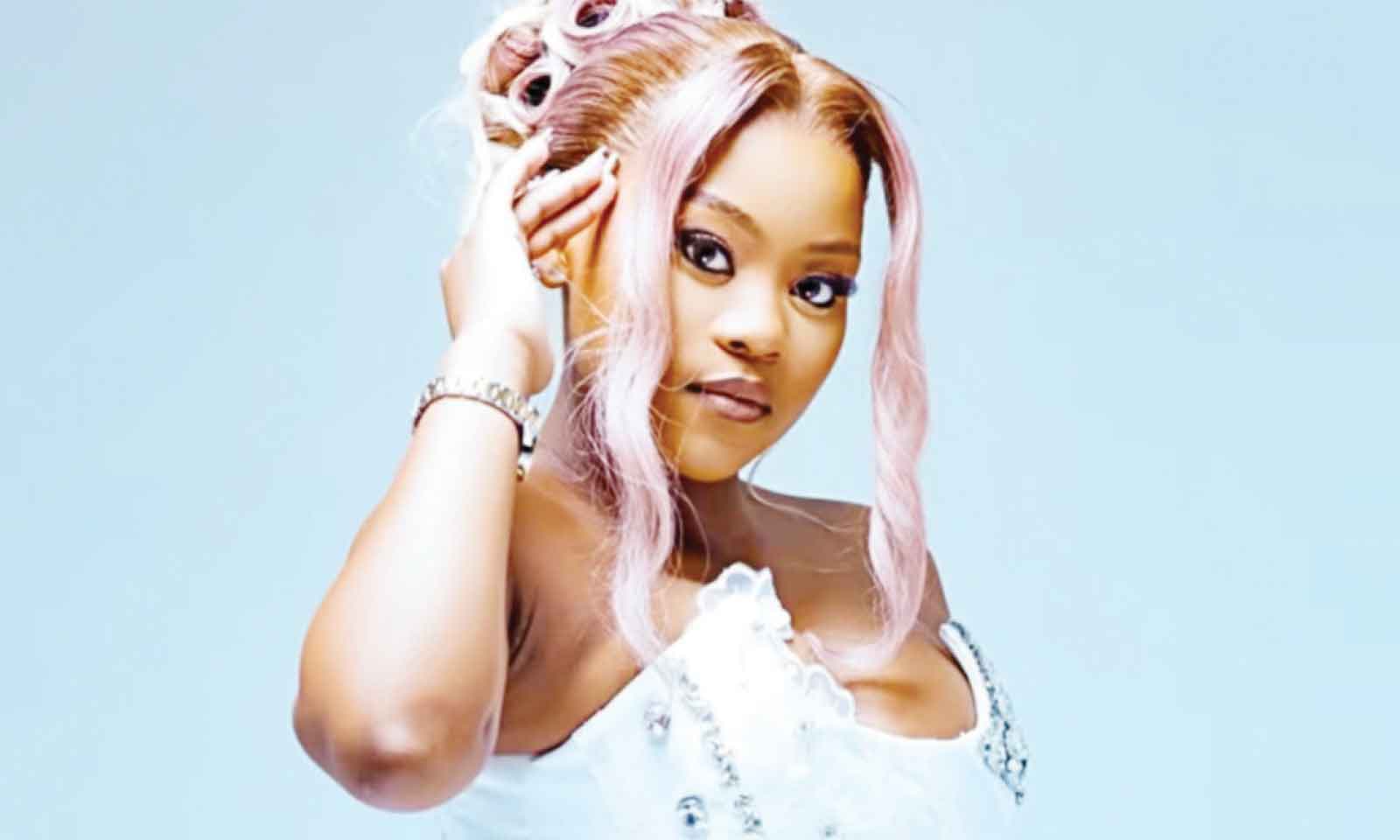
When young South African singer Naledi Aphiwe took time to thank Zimbabweans for the love they showed her during her performance in Harare last weekend, her message carried a simple but powerful reminder about the unifying power of music.
In an era where social media debates sometimes inflame tensions between neighbouring countries, the reception she received in Zimbabwe — and her gracious response — highlighted the importance of artists choosing unity over division.
Naledi Aphiwe’s gratitude was more than a polite gesture. It reflected a healthy relationship between artists and their audiences across borders. Zimbabwean fans, known for their passionate appreciation of music, turned out in numbers to support the young star.
In turn, she acknowledged their warmth and enthusiasm, demonstrating humility and professionalism that many established performers sometimes forget.
Music has always been one of the most powerful bridges between nations. Long before the digital age allowed instant cultural exchange, African artists travelled across borders sharing their craft, building connections and nurturing mutual respect among audiences.
From the era of legendary regional tours to modern festivals and collaborations, artists have historically played a role in strengthening social and cultural ties across Southern Africa.
This is why moments like Naledi Aphiwe’s appreciation of Zimbabwean fans matter. They remind us that art thrives in an environment of openness and goodwill. Audiences respond positively when artists focus on what they do best — entertaining, inspiring and telling stories through their talent.
Unfortunately, in recent years, some entertainers have allowed political commentary or xenophobic rhetoric to creep into their public platforms. Social media has amplified these voices, often turning what should be spaces for creativity into battlegrounds of nationalistic hostility.
When artists take sides in political disputes or make statements that fuel xenophobia, they risk damaging the very communities that sustain their careers.
Artists are influential figures. Their words carry weight, particularly among young followers who look up to them not just as performers but as role models.
When entertainers engage in divisive rhetoric, it can easily spread among fans and deepen misunderstandings between people who, in reality, share similar aspirations and cultural values.
Zimbabwe and South Africa have long enjoyed a vibrant cultural exchange. Musicians, actors and other creatives regularly perform across the border, drawing enthusiastic crowds and building loyal fan bases in both countries. This exchange has enriched the entertainment industries of both nations, allowing artists to expand their reach while giving audiences diverse experiences.
Naledi Aphiwe’s visit to Harare demonstrated exactly why this cultural relationship should be protected and nurtured. Her performance attracted Zimbabwean fans who embraced her music without prejudice or political calculation. Their support showed that audiences primarily care about talent, authenticity and the joy that good music brings.
By publicly thanking Zimbabweans for their support, the young artist also demonstrated maturity beyond her years. It is a sign that she understands the responsibility that comes with being a public figure. Gratitude, humility and respect are qualities that resonate far more with audiences than inflammatory remarks or political posturing.
Naledi Aphiwe’s positive experience in Harare should therefore be seen as a model for how cultural exchange ought to function. Fans welcomed her warmly, and she reciprocated with gratitude. No politics, no hostility — just music and mutual respect.
In a time when online discourse can easily magnify negativity, such moments deserve recognition.