Online Reporter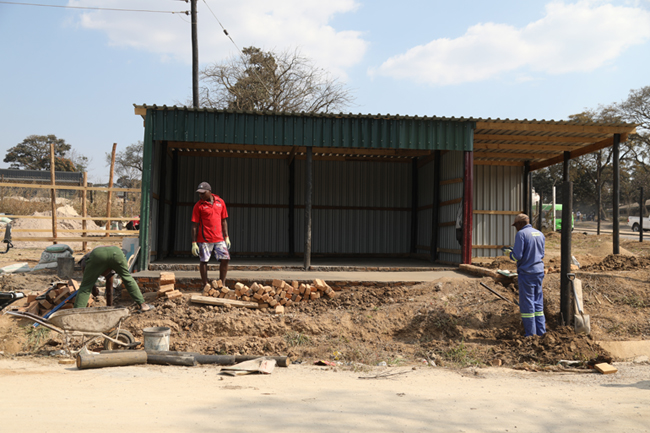
THE construction of the new Murahwa People’s Green Market in Mutare is a project that carries enormous promise for hundreds of traders and consumers who rely on informal trading for their livelihoods.
Once completed, the market is expected to provide a modern, organised and dignified trading environment that addresses many of the challenges that traders have endured over the years.
However, the pace of the project now needs urgent attention to ensure that its benefits are realised as soon as possible, and that those affected by the transition are not subjected to unnecessary hardships.
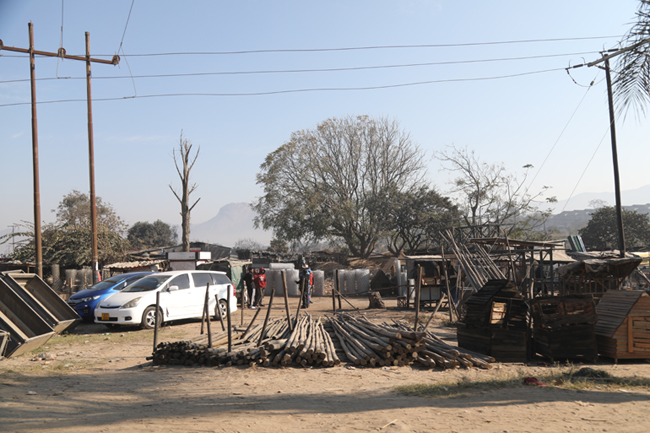
Traders earmarked for relocation will be operating from a temporary site near Quest Motors, which, by all accounts, falls short of the standards required for a functional marketplace.
The area is largely an open space with gravel roads that become dusty during dry weather and difficult to navigate when it rains. Business thrives in environments that are accessible, clean and convenient.
It is therefore imperative that all parties involved in the construction of the Murahwa People’s Green Market treat the project as a priority.
The market project is not merely a construction exercise; it is an investment in livelihoods and urban development. A modern market will improve sanitation, enhance orderliness, boost local economic activity and contribute to the overall image of Mutare as a growing commercial hub. It is also expected to improve safety and create a more conducive environment for both traders and consumers.
These benefits underscore the need for contractors and relevant authorities to ensure that timelines are met and that resources are mobilised efficiently to accelerate progress.
At the same time, calls for speeding up construction should not be interpreted as pressure to compromise quality. The objective must be to achieve both efficiency and durability.
Mutare deserves a facility that will serve generations of traders and residents. Sound planning, proper supervision and adherence to construction standards remain essential. What is required is not rushed work, but the elimination of avoidable delays that often plague public infrastructure projects.
Equally important is the role of stakeholder cooperation. Development projects of this nature succeed when there is collective commitment from everyone involved.
Local authorities, contractors, Government departments, traders’ representatives and community leaders must maintain open communication, and a shared understanding of project goals. Transparency regarding progress, timelines and expectations will help build confidence among stakeholders and minimise misunderstandings.
The intended beneficiaries themselves also have a critical role to play. Traders who are supposed to move from the current site to the new location by July 31 must appreciate the broader objective behind the relocation exercise.
The move is necessary to pave the way for refurbishment works and other improvements that form part of the overall redevelopment programme. Resistance, delays or unnecessary disputes could slow down progress and ultimately affect the very people the project is designed to benefit.
While concerns raised by traders regarding the conditions at the temporary site are understandable, constructive engagement is preferable to confrontation. Authorities, on their part, should listen to genuine concerns and make every effort to improve conditions at the temporary location while construction continues.
Simple interventions such as better road maintenance, improved sanitation facilities, adequate water supply and enhanced security can go a long way in easing the burden on traders.
The July 31 relocation deadline should therefore be viewed as an important milestone rather than an obstacle. Meeting this target will allow refurbishment works to proceed without disruptions and help keep the overall project on schedule. Any delays in relocating traders are likely to create a ripple effect that could extend project completion dates and prolong the challenges currently being experienced.
Ultimately, the Murahwa People’s Green Market represents hope for a better future for informal traders in Mutare.
It is a project that has the potential to transform the city’s trading landscape, improve livelihoods and contribute to economic growth. For this vision to become reality, momentum must be maintained and enhanced. Contractors must deliver, authorities must facilitate, and traders must cooperate.
The success of the project will not be measured by ground-breaking ceremonies or construction milestones alone, but by the day traders finally occupy a modern, well-equipped market that meets their needs and enhances their dignity.
That day should come sooner rather than later.
Speeding up construction, while ensuring quality, and fostering cooperation among all stakeholders is the surest way to achieve that objective and deliver lasting benefits to the people of Mutare.