Online Reporter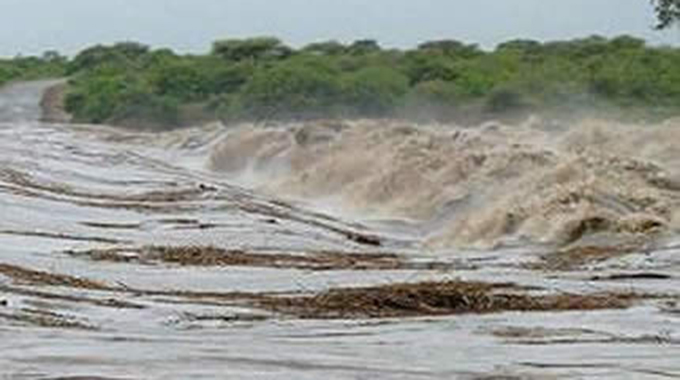
The rainy season is meant to be a blessing for replenishing dams, reviving crops, greening landscapes and sustaining millions of livelihoods dependent on agriculture.
Yet this season, the rains have again revealed their deadly side.
According to the Civil Protection Unit, since the onset of the rainy season in October last year, 74 people have lost their lives, while property worth more than US$107 000 has been destroyed.
These grim figures expose a hard truth Zimbabwe must confront: rain saves lives and livelihoods, but when people disregard advice and fail to prepare, it also takes them.
The rainy season has long been associated with predictable hazards, yet year after year the same tragedies recur.
Floods, lightning strikes, collapsing structures, drowning incidents, landslides, damaged roads and vehicles swept away by water continue to dominate disaster reports.
What is most troubling is that many of these deaths are preventable. Children crossing flooded rivers to attend school, families refusing to move to higher ground from flood-prone plains, motorists attempting to beat flowing water and villagers instinctively sheltering under trees during storms – all point to gaps in awareness, enforcement and risk perception.
Flooding remains the single biggest killer during the rainy season. Rivers that appear calm in the dry months turn deadly within hours after heavy rainfall upstream.
Yet people persist in crossing flooded rivers on foot, bicycles and even vehicles.
The argument that “there is no alternative route” has cost too many lives. What people need to grasp is the fact that no journey, appointment or deadline is worth a human life.
Communities must learn to delay travel, use safer designated crossings and collectively discourage reckless behaviour when it comes to flooded rivers and even streams.
This is where leaders at village level, both traditional and political, must speak firmly against dangerous crossings, even when social or economic pressures push people to take risks.
Lightning strikes are another underestimated threat, yet every rainy season, lives are lost to lightning, particularly in rural communities where people work, walk and gather in open spaces and under trees.
It is time the belief that lightning deaths are unavoidable acts of fate is challenged.
Practical precautions like avoiding trees, metal objects, open fields and water bodies during storms have been proven to save lives from lightning strikes.
Public buildings such as schools, clinics and churches must not be allowed to operate without proper lightning protection because protecting lives should not be viewed as a luxury, but as a basic safety obligation.
Structural collapses and ground failures add another layer of danger during the rainy season.
Poorly constructed houses, pit latrines and abandoned mine shafts often collapse after prolonged rainfall, adding to disaster statistics.
These hazards raise uncomfortable, but necessary debates about housing standards, land use and enforcement of building regulations, even in the rural areas.
Settling on wetlands, riverbanks and unstable land exposes families to known risks of floods, and this practice has been common under the jurisdiction of many local authorities in Zimbabwe.
This is where local authorities must balance empathy with firmness, ensuring people are guided away from danger zones like wetlands before disasters strike, not after lives are lost.
Preparedness, therefore, cannot remain a seasonal slogan, it must become a national habit, constantly reaching the vulnerable.
While individuals bear responsibility for personal safety, institutional leadership is decisive.
The Civil Protection Unit (CPU) must shift from being seen mainly as a rescue body to becoming a powerful driver of prevention.
Public education campaigns must be continuous, practical and delivered in local languages which people understand better. Warnings should explain not just what might happen, but what people must do differently.
The CPU and Meteorological Services Department’s early warning systems should, therefore, be strengthened and trusted.
Local disaster committees should be visible and active, while evacuation plans are clearly understood and emergency contacts widely shared when disaster is predicted.
Preparedness saves lives precisely because it prevents panic and poor decisions when disasters strike.
It is important to note that climate change has drastically raised the stakes, with rainfall becoming heavier, more unpredictable and more destructive.
This reality demands a shift in mindset from reacting to disasters to anticipating them and taking action well before they strike.
The debate Zimbabwe must have is whether it will continue counting deaths each rainy season or invest seriously in prevention, education and resilience.
The message must be unambiguous: rain is a blessing, but it demands respect.