

 Online Reporter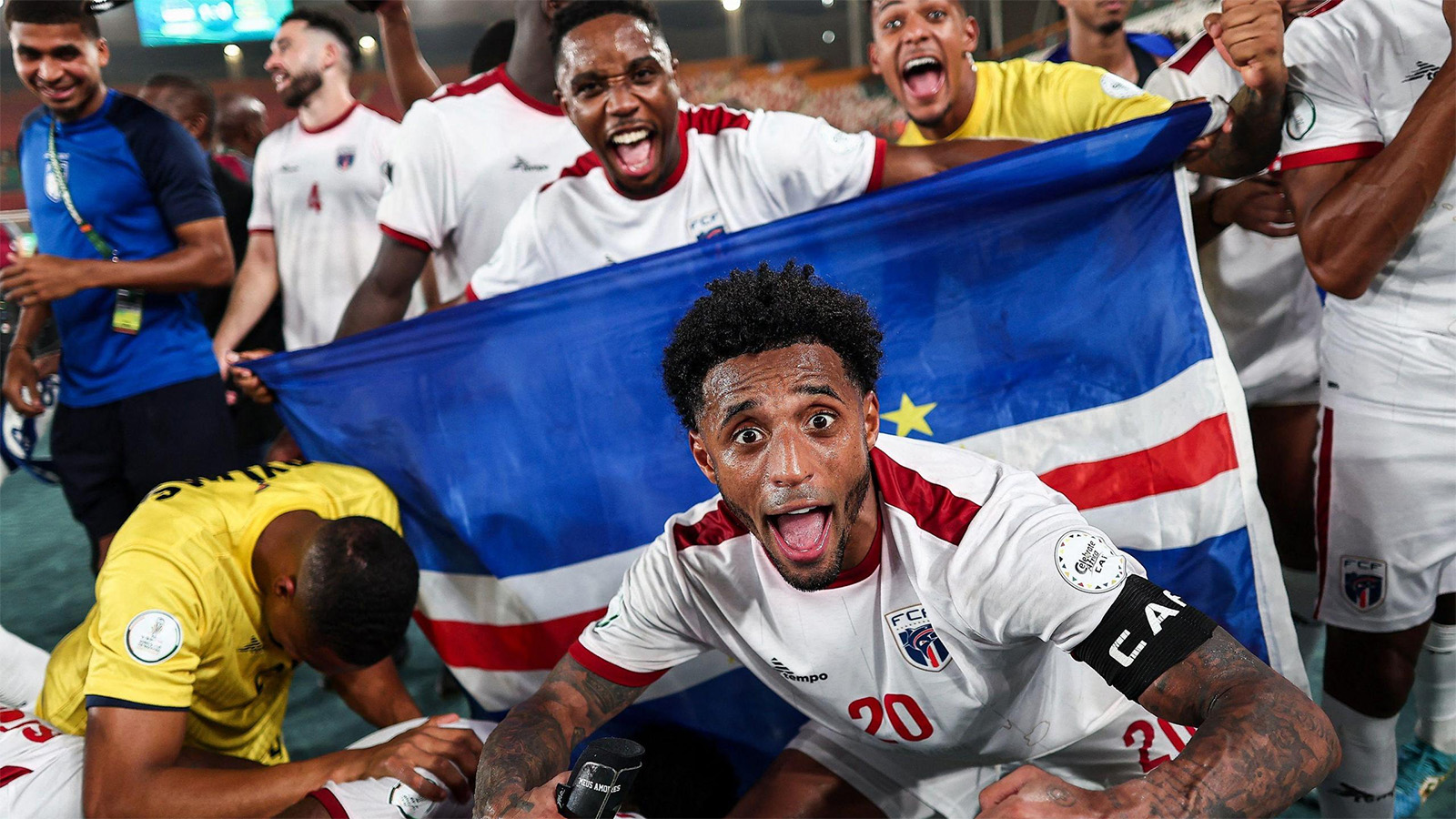
ZIMBABWE’S flagship sporting team have this week been hogging the limelight for the wrong reasons.
This is because the Warriors completed a miserable FIFA World Cup football qualification campaign, finishing last in their six-team group.
While Zimbabwe were smarting from the ignominy of failing to win a single game in their qualifiers, Cape Verde were celebrating a maiden ticket to the World Cup finals to be staged in Canada, Mexico and the United States next year.
Many of us who follow African football can only watch with admiration and a tinge of discomfort at Cape Verde’s achievement. Admiration because they have achieved something extraordinary. Discomfort because their success exposes the uncomfortable truth about where Zimbabwean football stands today.
Cape Verde is a tiny nation of fewer than 600 000 people scattered across 10 islands in the Atlantic Ocean. They do not have our population, our talent base, or our footballing history.
Yet, through structure, patience and clear purpose, they have built a footballing project that has taken them to the global stage.
Their rise has not been sudden. It is the product of years of planning and consistent execution. They developed modern football infrastructure, invested in coaching, integrated foreign-born players of Cape Verdean descent into the national set up, and built a system that values continuity over chaos. They didn’t just hope to succeed. They created the conditions for success.
Meanwhile, Zimbabwe’s game continues to drift. Two decades ago, we were regional heavyweights, the dominant force that until 2019 had been record COSAFA champions. Now in 2025, we finished last in a qualifying group that included Benin, Rwanda and Lesotho — nations we used to beat without breaking a sweat.
While Cape Verde were topping a group that included Cameroon, Africa’s most frequent World Cup representatives with eight appearances, we were at the bottom of a pool which even bookmakers had tipped us to dominate. Cape Verde built a team over time, we seem to have just assembled one.
Of course, whenever there is such monumental failure, the easy and familiar thing to do is to blame ZIFA, and, in particular the association’s president and in this case incumbent Nqobile Magwizi. Every failure, every scandal, every missed opportunity by strikers or midfielders on the pitch, somehow finds its way back to the association.
Zimbabwe Cricket have endured the same with union chairman Tavengwa Mukuhlani often made the fall guy, whenever the Chevrons fail to win their matches but not similarly credited for their triumph.
But that narrative, though partly true, is incomplete. The real problem is deeper. It is systemic. Over the years, ZIFA have been led by different personalities — some bright, some bold, some controversial. Yet as we have often reported in this publication, the outcome remains the same: stagnation. That tells us that the rot is not in individuals but in the system itself. A flawed structure will defeat even the best intentions.
In Zimbabwean football, we believe that dysfunction has been normalised. We have accepted mediocrity as inevitable. We have built a football culture that prizes survival over strategy, short-term fixes over sustainable planning. Until that changes, nothing else will.
Football success does not come from press statements or last-minute camps. It comes from the unglamorous work that most people never see — building academies, running youth leagues, training coaches, developing referees, and setting up transparent administrative systems that outlast personalities.
To his credit, Magwizi has so far been preaching that gospel and his move to recruit an experienced hand in Burundian Dominique Niyonzima, to lead the development pathway could turn out to be masterstroke if the Confederation of African Football (CAF) and FIFA expert is well supported.
It needs a huge change of mindset and habits.
Perhaps the most dangerous habit we have developed in Zimbabwean football is the romanticisation of our inefficiencies. We call it the football way. We smile when chaos reigns, shrug off poor planning as “normal,” and treat administrative blunders as if they are an inevitable part of the game.
We glorify crisis managers who can patch up last-minute problems instead of rewarding planners who prevent them in the first place. We call it “passion” when people do 10 jobs at once with no structure or accountability… mistaking firefighting for dedication. We have learnt to make poetry out of dysfunction.
But passion without structure is wasteful. Commitment without a plan leads to frustration. For too long, Zimbabwean football has survived on improvisation — on individual heroics rather than institutional strength. That is why every generation has to start over. We never build on what came before.
The future demands a different mindset. We must stop romanticising inefficiency and start professionalising everything — from administration to development, from communication to competition. Football is not just a sport anymore. It is an industry, an ecosystem, a science. Those who treat it seriously reap the rewards. Those who cling to nostalgia get left behind.
And Cape Verde, tiny as they are, have just provided us with that big lesson. Their rise is not magic. It is method. Their football federation set out to professionalise their systems. They developed coaching pathways, improved domestic competitions, and built strong relationships with the diaspora. They identified talent, supported it, and integrated it. They did not wait for miracles or politicians. They worked the plan.
They built partnerships with government and private sponsors based on transparency and measurable goals. They ensured accountability within their football structures. Every success, from qualification for the Africa Cup of Nations to their latest World Cup berth, was part of a long-term trajectory.
Zimbabwe, by contrast, seems to restart every few years — new committees, new slogans, new coaches, same problems. We keep changing direction before we arrive anywhere. In football terms, we are always in transition.
If there is one thing we can learn from Cape Verde, it is that progress begins with honesty. They looked at what they had, where they were, and what they needed to do — and then did it.
Here we often avoid uncomfortable truths. We speak of potential but never confront the reasons that potential remains unfulfilled, we speak of talent but neglect the systems that develop and protect it. We talk of patriotism but continue to politicise every decision, from team selection to sponsorship.
Unless we are willing to look ourselves in the mirror — honestly and without excuses — nothing will change. We can hire new coaches, dissolve committees, and reshuffle departments, but without systemic reform, we will still be standing in the same place 10 years from now.
The world of football is changing rapidly. Technology, data analytics, sports science and global scouting networks now define modern competition. The margins between success and failure are slim, and the cost of standing still is enormous. Cape Verde embraced the future. They built a system that blends modern thinking with local identity. They opened their doors to new ideas, invested in youth, and gave players clear pathways to professional growth.
We must do the same. We must stop doing things the way we have always done them because clearly, it has not taken us anywhere. There is no shame in learning from others. Cape Verde’s success does not diminish us; it challenges us. It reminds us that football success is not about size, population, or history — it is about systems, consistency, and courage to do things differently.



Cape Verde is a tiny country! What has this got to do with football? Iceland is tiny too but a powerhouse in European football, so is Denmark. If populations were a factor in football development, the strongest teams would emerge from China and India. Let’s be serious if we want to develop football in this country. Talent is not developed, it’s born with. What must be developed are skills, physic, techniques and strategies and the first three are done at grassroots level. Once these are achieved, then coaches at senior level develop strategies. If players are poor in talent, poor in skills and poor in their physic, a coach cannot develop a winning strategy. That is what Zimbabwe has been, is and will always be if grassroots football development is not taken seriously.