admin
admin
The need to provide the best possible pay and benefits for civil servants that Zimbabwe can actually afford is a top priority for the Government and the latest batch of measures announced this week is part of this regular process of ensuring that Government workers get their fair share of the gains from economic growth.
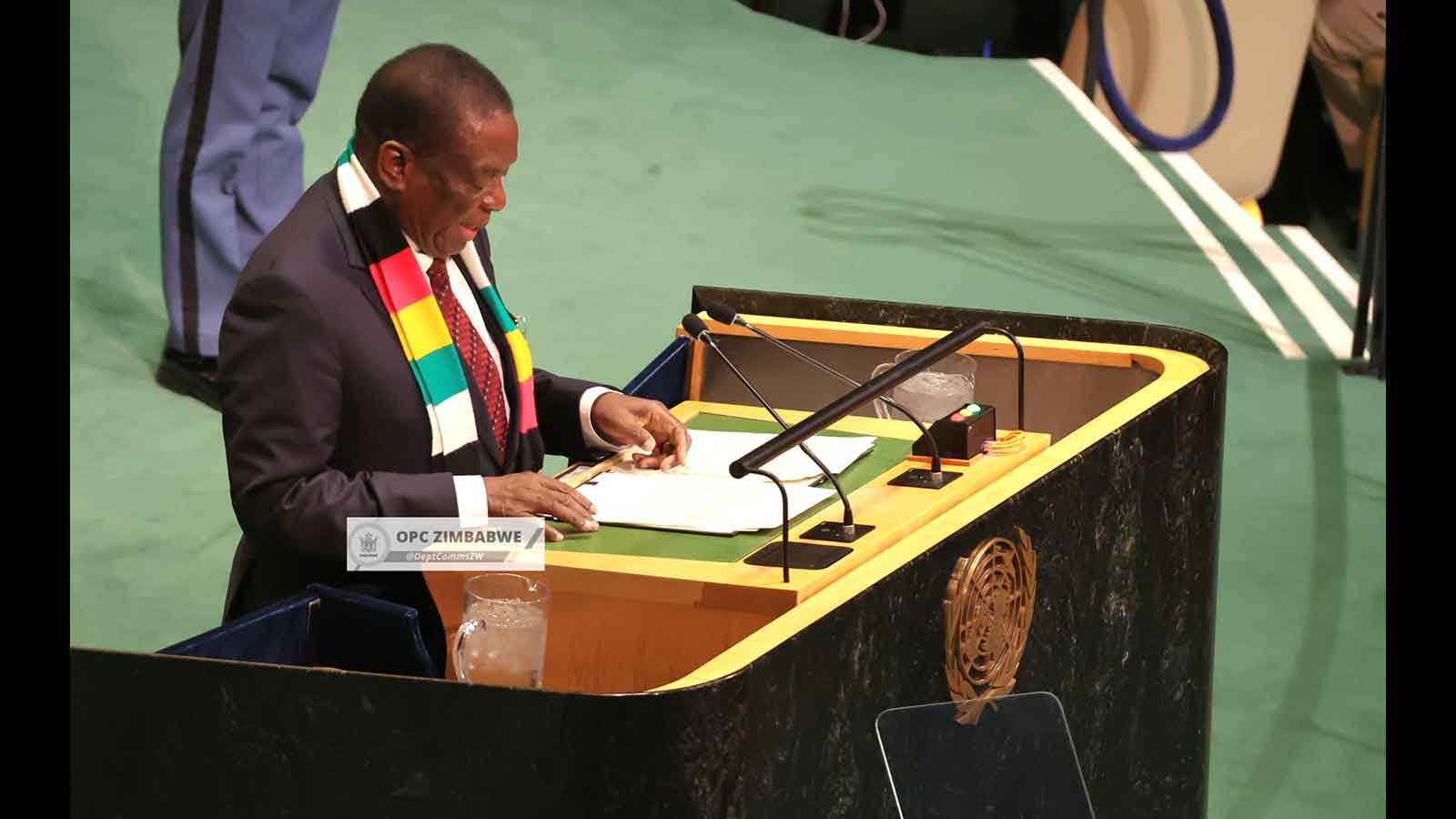
This has been applied in the latest directive by President Mnangagwa who wants to see immediate affordable benefits, right now and the civil servants having a better standard of living from this month.
The Government policy, and this is critically important, means there has to be money in hand before anyone can be paid, and before anyone can be paid better.
The Second Republic has been firm on insisting on sustained growth, and that requires, among other things, on living within what the taxpayers provide and ensuring that the budget can meet both the needs of the staff costs and the needs of continuing to ensure growth continues.
The old days of borrowing to pay salaries, let alone printing money to do this, are long gone. That just leads to continued cycles of disaster, not rapid and sustained growth.
Basically, from what we have seen in recent budgets, the Government is prepared to put staff benefits as the number one budget item. Moderately over a third of Government revenue is assigned to this.
Next in line is the capital expenditure to ensure that the country can develop and can grow more, this time just over another third.
The remainder, significantly below a third, goes on all the other things: helping the vulnerable, ensuring hospitals are properly equipped, paying off past debt, ensuring everyone has birth certificates, ensuring we can run high-quality elections so we can exercise our democratic rights properly and the myriad of other functions a decent country needs to be functioning, liveable and growing.
But with growth, tax income rises, and with the Government policy of maintaining percentages allocated to the critical matters, including pay, this means that staff can be better rewarded in turn.
Some of the extra tax revenue in nominal terms is the result of inflation, but with the same policy this means that staff pay can be kept in line with inflation with the growth providing the real increase in standards of living.
We have seen for more than a year now a policy of regular percentage increases as soon as the extra tax revenue is available, plus successful efforts to go beyond the talk and see what can be done about permanent improvements in both monetary and non-monetary improvements. And the Government is prepared to be creative.
Some taxes, but only a modest fraction, are paid in foreign currency, so from late last year measures include giving civil servants access to their share of these.
We saw that saving up for a year allowed the bonus for most paid in foreign currency last year. Now we have monthly payments, first the Covid-19 allowance and from next month another US$100 a month to bring the total to US$175 a month.
Those seeking pure foreign currency salaries forget just how low these were when we dollarised and that when they did rise almost all the rise was fake driven by what amounted to digital printing of fake US dollars because the economy could not grow in real terms under those conditions.
The wheels were bound to come off and they did. The switch to real growth is predicated on fiscal and monetary discipline using money that actually exists, not what is printed.
In any case as the reforms continue to beat back inflation and the local currency becomes more and more stable, a lot of the pressure for foreign currency diminishes.
It is still pleasant to have some access for odd things, but real growth with low inflation must be the goal for sustained rises in the standard of living, rather than juggling fixed and non-growing income around different kinds of bank account, which does not raise benefits in real terms.
The second set of Government measures is looking at the longer term and permanent boost in living standards, adding something each year.
Two areas immediately come to the fore, transport and housing. Growing numbers of civil servants across the country have been getting access to employer transport and now teachers are being included as the Government bus fleet grows.
For decades some in Government service have had reasonable access to Government housing. The police camps, the defence forces cantonments, the prison housing near the jails, and the growing number of flats for doctors and nurses have been part of the perks, as well as meeting the necessary practical needs for staff who are frequently transferred.
It is not universal yet even for these groups, although at long last the priority to make it so is back and bricks and cement are budget items.
Now teachers, easily the largest group of Government staff, are to be included. Moving from conceptual talk to actual numbers and timelines, the Government has committed to building 2 125 blocks of flats, that is 34 000 homes, on school grounds over the next five years.
We know housing at the school is a major benefit since some of the longer established boarding schools, public and private, use precisely this to attract and retain top quality staff.
Obviously a lot more housing will be needed as we have a lot of teachers, just like we need more flats for nurses, doctors and police, but we have to start somewhere and 34 000 flats over five years is a big jump start and the programme can continue for years after the first batches.
In a sense this is capitalising a benefit, since the flats will last for well over a century, giving a lot more bang for the buck.
Of course, people want their own home at some stage, even if it is only for retirement, and this institutional housing, whether in a police camp, a hospital or a school, is for those working at the institution. These are not rent to buy.
Another measure in the package is a Government guarantee scheme, so lenders will actually lend. While living in a Government flat allows those benefiting to make monthly payments on their own place and will create that critical asset everyone wants. The housing measures are a double benefit.
The same applies to transport. Employer transport is a lot cheaper, and almost as convenient, as having your own car, but is not laid on for the social and family travel.
The Government has also allowed teachers to import a car without duty. They have to keep it for three years at least, since the objective is to help them own a car, not set up as subsidised part-time car dealers, but the conditions are straightforward and designed to meet the desired goal.
Talks can continue, of course, but the President wants immediate benefits for civil servants rather than nothing as talks go on for months. He has always preferred action to talk, since action produces prompt results.



 Online Reporter