Online Reporter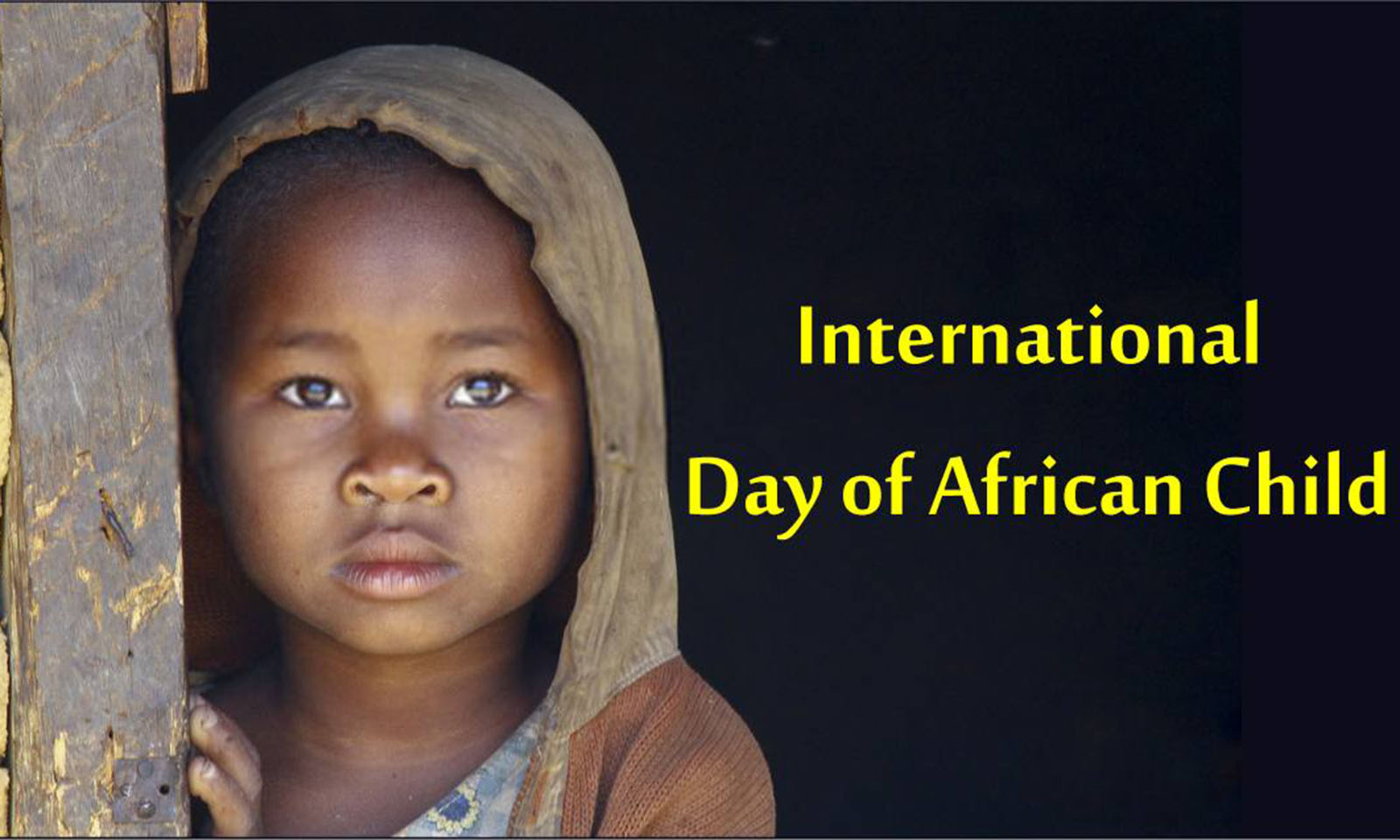
EVERY year on June 16, the African continent pauses to reflect and recommit to the aspirations of its youngest citizens through the commemoration of the International Day of the African Child.
This day was inspired by the heroic actions of schoolchildren in Soweto, South Africa, in 1976, who bravely marched against the injustices of apartheid-era education.
Many of those young voices were silenced by brutality, yet their courage sparked a continental awakening and laid the foundation for children’s rights advocacy across Africa.
Formally recognised by the African Union in 1991, this day is not merely an act of remembrance, it is a call to action.
It compels us to take stock of the progress made in promoting children’s rights and to assess the remaining gaps in realising a continent where every child lives with dignity, hope and equal opportunity.
This should be anchored in four core pillars: survival, development, protection and participation. These are the cornerstones of holistic child welfare.
These principles affirm that a child’s journey to self-actualisation begins with access to basic needs — health, safety, shelter and education — before they can flourish intellectually, emotionally and socially.
Under the leadership of President Mnangagwa, the Second Republic has taken bold and deliberate steps to strengthen the rights and welfare of children through a raft of legislative reforms, policy initiatives and social development programmes aimed at ensuring that no child is left behind.
The Constitution of Zimbabwe Amendment (No. 20) Act, particularly Section 81, enshrines the rights of the child, guaranteeing access to education, shelter, healthcare and protection from abuse, exploitation and neglect.
In 2022, the landmark Marriages Act brought an end to the dual marriage system and set the legal minimum age of marriage at 18 years for both girls and boys. Equally significant is the Education Amendment Act (2020), which reinforced the Government’s obligation to provide free basic education and prohibited the expulsion of pregnant girls, ensuring continuity in learning for all.
The law also banned corporal punishment in schools, advancing children’s rights to dignity and protection in the learning environment.
Additional legal frameworks such as the Criminal Law (Codification and Reform) Amendment Act and the Guardianship of Minors Amendment Act, further cement Zimbabwe’s commitment to child protection and welfare.
Under the New Dispensation, a renewed focus on inclusive and equitable development has translated into tangible outcomes for children.
The Government has ramped up the construction of primary and secondary schools, particularly in previously underserved and marginalised communities. This is a practical response to challenges such as long walking distances to school and overcrowded classrooms.
The Basic Education Assistance Module (BEAM) continues to provide critical support for orphans and vulnerable children, covering school fees and essential learning materials.
One of the most powerful platforms for child participation in Zimbabwe is the Junior Parliament, whose 33rd Session will be officially opened by President Mnangagwa this Friday.
The platform has been strengthened under the Second Republic, with increased attention from policymakers to resolutions passed by child parliamentarians.
This aligns with the constitutional promise of participatory democracy, where even the youngest citizens are acknowledged as active agents in shaping the future.
Despite these commendable achievements, challenges persist.
Some children still walk long distances to school, learn in overcrowded classrooms or drop out due to family burdens.
Others experience the trauma of abuse, neglect or exploitation, and the ongoing impact of orphanhood due to HIV and AIDS continues to strain the social fabric of many communities.
These realities are a stark reminder that our journey towards full child empowerment is far from complete.
Let us remember that when we fail to invest in children, we are mortgaging the future. Every uneducated child is a lost opportunity.
Every abused child is a scar on the national conscience. Every child married off before 18 represents a dream deferred and a betrayal of our collective values.
As we mark this important day, Zimbabwe must remain resolute in its efforts to uplift the lives of children, guided by a vision of equity, justice and opportunity for all.
Under the Second Republic, significant strides have been made in this regard, but the task ahead requires collective will, innovative thinking and sustained investment.
Building a better Zimbabwe begins with protecting, educating and empowering the children of today, for they are not only the future; they are the present.