Online Reporter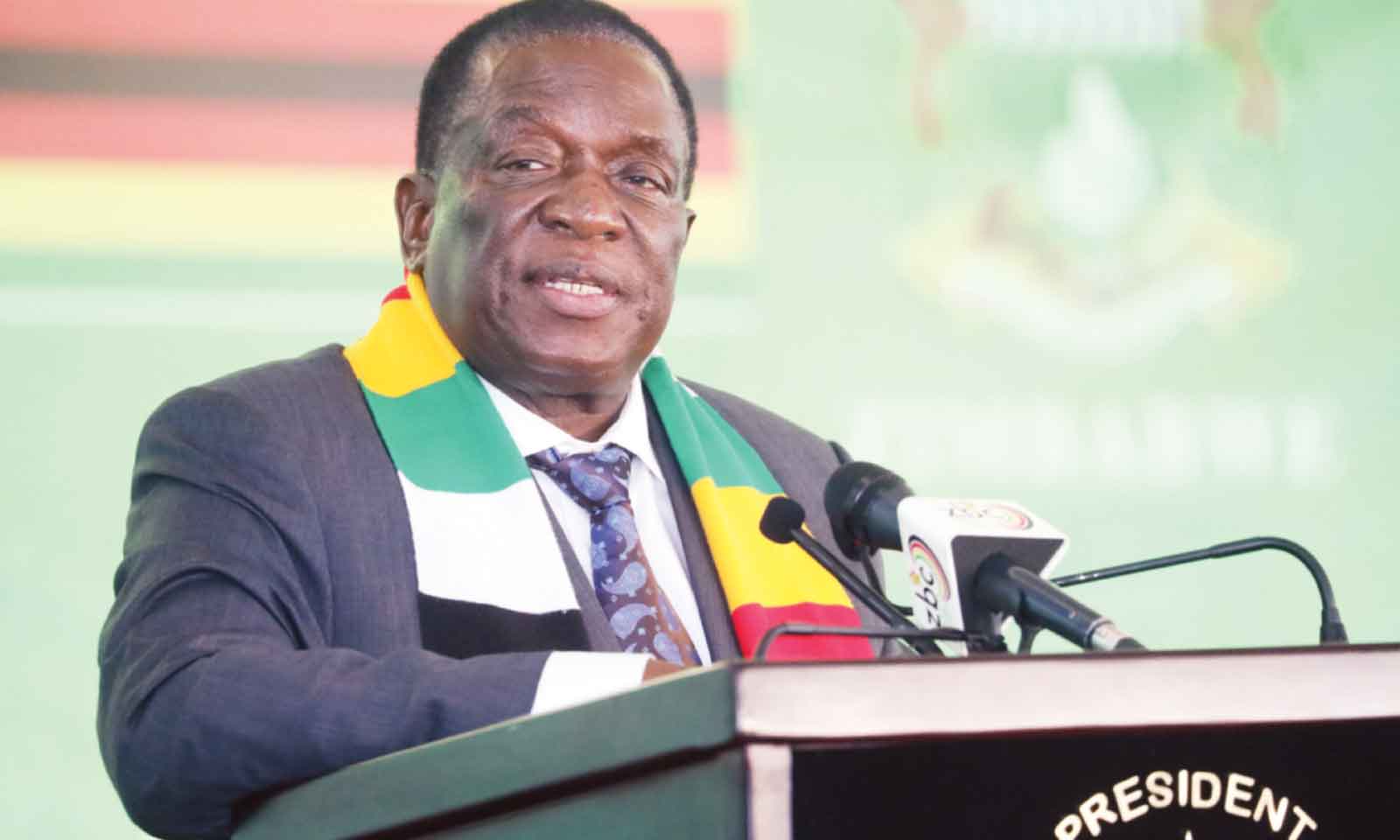
WITH 21-member states stretching from Tunisia on the north African coast to Eswatini in the extreme south east of the continent, the Common Market for Eastern and Southern Africa is the largest of Africa’s economic building blocks in terms of membership, area and population.
Over the past 45 years as first the Preferential Trade Area from 1981 before being upgraded to a full common market in 2000, Comesa has seen many of the problems that are likely to occur as it eventually becomes a major building block of the African Continental Free Trade Area, and the hard bureaucratic slog in back rooms to work out the products and local content percentages for thousands of goods and products that can be traded freely.
A common market or free trade area does not just appear on the map when a group of Presidents sign a treaty and their Parliaments ratify it.
It requires a great deal of continuing common agreement driven by active political leadership, to turn the words into lowering tariffs and then zero tariffs with the necessary commercial court, which Comesa has, to sort out interpretations and complaints.
Providing this central political co-ordination and push becomes the responsibility of President Mnangagwa later this year when he takes over the chair of Comesa.
This is no sinecure if it is to be done properly and effectively, and requires a healthy dose of dynamic action to keep up the progress and overcome understandable nervousness and reliance on past trading models.
This reliance is why there is only very modest overlap between SADC and Comesa. When South Africa achieved democracy in the 1990s it decided to concentrate on its own Southern African Customs Union, already a full common market, and Namibia and Lesotho pulled out of the old PTA, as did Mozambique and Angola a little later since so much of their trade was with SACU.
Eswatini is the only country that manages to be a standing member of SACU and Comesa.
As an example of the sort of problems that can arise when setting up a free trade area, Tanzania decided not to follow the rest of the PTA into Comesa in 2000, arguing that the goal of zero tariffs would damage an economy very reliant on customs duties.
While VAT was also cited, VAT percentages do vary across many free markets, such as the European Union, and there are complex but effective methods to collect each country’s consumption tax as a product moves across national borders without stops or checks.
VAT is not a tariff, but the VAT on the value of any import is collected as it enters the destination country.
This sort of difficulty, along with many national industrial policies that concentrated on import substitution rather than export-led growth, need to be addressed seriously.
Zimbabwe lost a lot of its import-substitution industry early this century and has been rebuilding its industrial base, especially under the Second Republic, as a producer of quality well-priced products that it can sell in open markets.
So the President does have some good examples of what can be achieved from his own backyard.
On the other hand, Comesa kept expanding into the Horn of Africa, the Indian Ocean islands and North Africa, with Tunisia being the latest accepted applicant as recently as 2023.
So many countries saw it as something positive and useful. It is on this base that President Mnangagwa will be building to speed up implementation of the many agreements that form Comesa, including that huge list of criteria for almost any conceivable item.
The rules of origin obviously cut across the range. While a free trade area can limit itself to just those items made from 100 percent materials sourced within the area, there is an obvious need for variation depending on many factors including the complexity of the product, global supply chains, and the presence of critical minerals and the like.
This requires, quite often, detailed negotiation, usually at official level, to decide on the local content in, say, a motor vehicle, with that content varying between the body, engine and electric components.
It is these percentages that matter to the companies producing inside Comesa and the upcoming AfCFTA reckons a lot of the hard slog has now been done by Comesa, Ecowas of West Africa that just needs to be harmonised.
We do not have to wait years while we reinvent the wheel.
But for that strategy to work, it means that Comesa must continue building up the whole system, and as it is a purely commercial organisation, with the joint political work for the region done so effectively within SADC, the East African Community and others, it can move ahead more rapidly that many other common trade areas with just the one set of decisions to take.
The challenges facing President Mnangagwa when he takes up the reins of the Comesa chair will be different in many ways from his highly effective chairing of SADC in terms of what is emphasised in the common goals of making Africa more effective, sorting out its problems with African solutions to the fore, making African people freer and better off.
But the basics remain.
And there our President has a lot of experience and a high standing to inspire others to create common visions and push our continent ever further into the bright sunny day of prosperity.