Online Reporter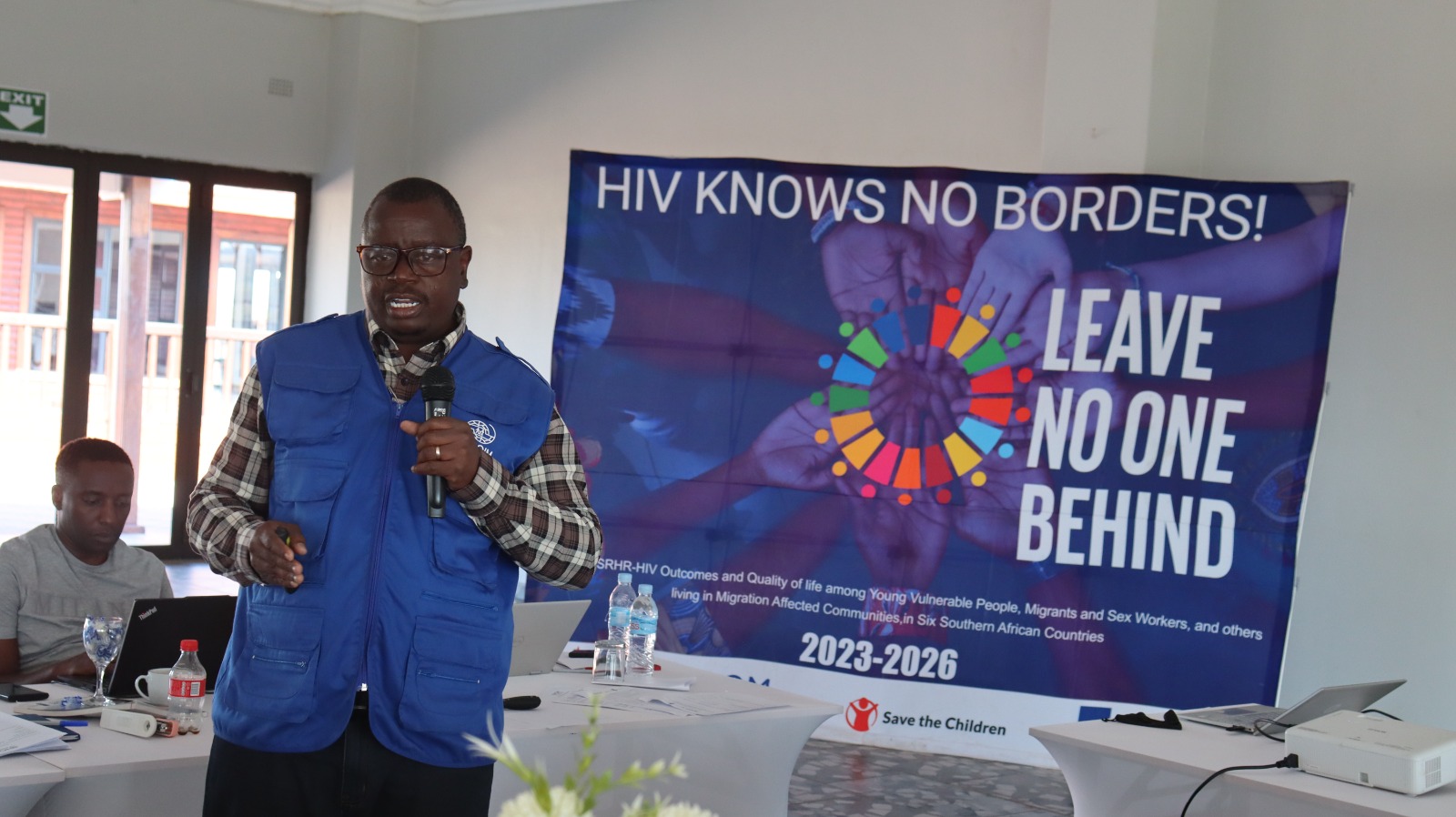
Thupeyo Muleya Beitbridge Bureau
The International Organisation for Migration (IOM) Zimbabwe is working with the Government to build the capacity of frontline stakeholders to address the rising cases of child smuggling along the Beitbridge migration corridor, which have become common during public and school holidays.
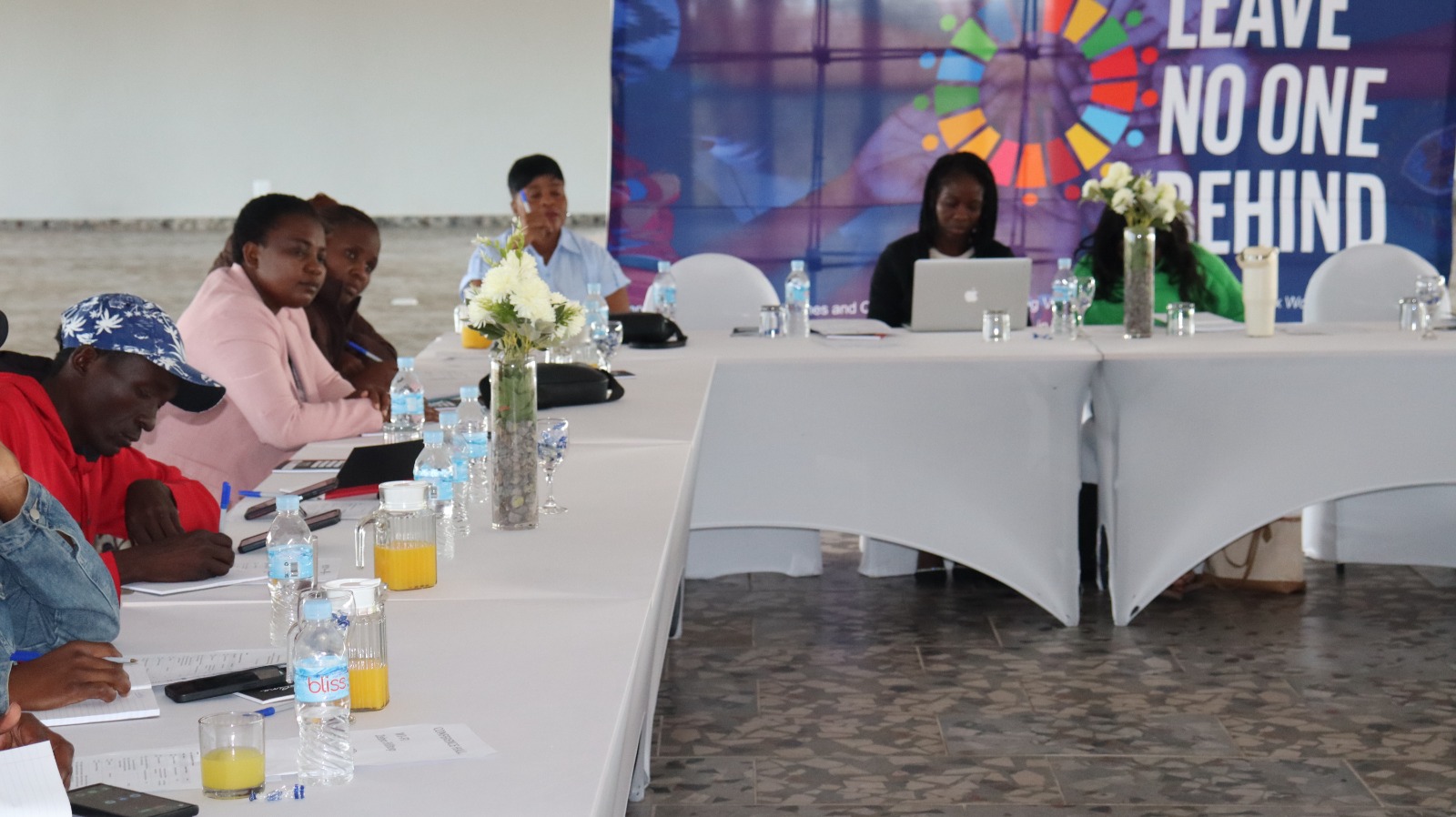
Speaking during a two-day media training programme focusing on sexual and reproductive health and responsible reporting in Beitbridge, IOM Head of Beitbridge Sub-Office Mr Nhamo Muleya said child smuggling had become a major challenge not only in Zimbabwe but across the SADC region.
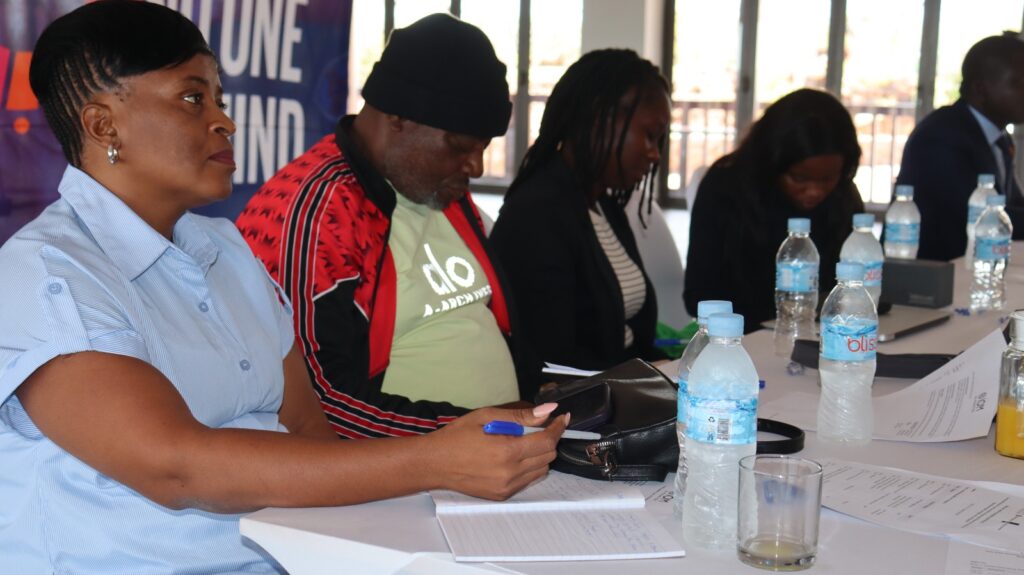
“The issue of child smuggling is a challenge within the SADC region, and we need coordinated efforts to address it,” said Mr Muleya.
“Domestication of the protocol on trafficking in persons will go a long way in helping to control issues of child smuggling.”
He said engagements were already underway in high migrant-sending areas to reduce the source of the problem, and noted that both Zimbabwe and South Africa had tightened rules around the movement of children across the border to protect them from exploitation.
Mr Muleya emphasised the need for stakeholders to collaborate in providing accurate information on the risks involved and promoting safe, legal migration pathways.
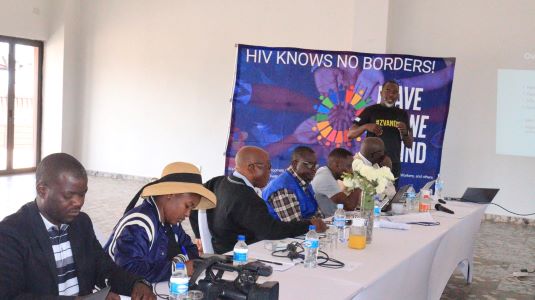
“To prevent parents from sending their children through irregular means between South Africa and Zimbabwe, increasing awareness in communities about the dangers and legal consequences of such journeys is essential,” he said.
According to IOM, children are among the most vulnerable groups of migrant populations and face risks to their survival and health, and are more likely to experience violence, exploitation or abuse.
Cases of child smuggling through the formal border or its flanks are common during major holidays. In most instances, children are sent across with bus crews or cross-border transporters commonly known as omalayitsha, who often dump unaccompanied children in the bush when border security officials intensify checks, exposing them to danger.
According to the United Nations Convention on Transnational Organized Crime and its Protocol against the Smuggling of Migrants, migrant smuggling is defined as the intentional organisation or facilitation of the irregular movement of persons across state borders for financial or other gain.
Mr Muleya said IOM Zimbabwe had already started capacity-building engagements with frontline partners, including border officials, health workers, media and community leaders.
“The true impact of this work will be seen when communities understand the risks and choose safe migration. Children deserve protection, not exploitation,” he said.