Online Reporter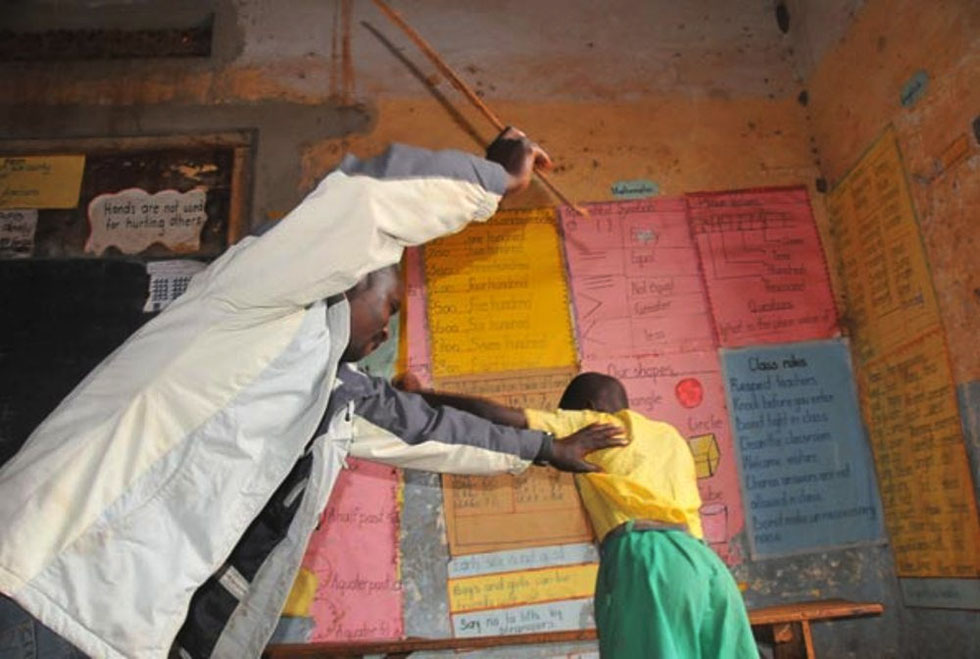
CORPORAL punishment, whether practiced in schools or at home, has long been one of the most hotly debated methods of discipline.
Its defenders often argue from tradition, cultural norms, or perceived effectiveness, while critics highlight its psychological, ethical, and developmental consequences.
To weigh its pros and cons requires looking beyond the surface of immediate compliance and considering the broader impact on children, families, and society.
On the side of its perceived advantages, corporal punishment is often praised for its immediacy.
A child who misbehaves may quickly associate the wrongdoing with pain or discomfort, which can deter repetition of the behaviour.
In both schools and homes, some argue that this swift consequence instils discipline, respect for authority, and a clear sense of boundaries. Parents or teachers who support it sometimes believe that it is a necessary corrective tool, especially in environments where other disciplinary measures seem ineffective.
In certain cultural contexts, corporal punishment is even seen as a rite of passage, a way of toughening children and preparing them for the challenges of adulthood.
Proponents also argue that it can be efficient—requiring less time and negotiation compared to more dialogical approaches like counselling or positive reinforcement.
Yet these supposed benefits are overshadowed by significant drawbacks. At home, corporal punishment risks damaging the parent-child relationship, replacing trust and affection with fear and resentment.
Children may comply outwardly, but inwardly harbour anger, confusion, or shame.
Over time, this can erode emotional bonds and foster secrecy rather than openness.
In schools, the consequences can be even more severe: corporal punishment may humiliate learners publicly, lower their self-esteem, and create an atmosphere of intimidation rather than learning.
Instead of fostering respect, it often breeds hostility towards teachers and institutions.
Research has consistently shown that physical punishment does not teach children why their behaviour was wrong, but merely conditions them to avoid pain.
This leaves moral reasoning underdeveloped and encourages children to behave well only when under threat, rather than internalising values of empathy, responsibility, and self-control. Moreover, corporal punishment carries the risk of escalation.
What begins as a “light smack” can easily cross into abuse, especially when administered in anger or frustration.
The line between discipline and violence is perilously thin, and children are left vulnerable to lasting physical and psychological harm.
Studies link corporal punishment to increased aggression, antisocial behaviour, and even long-term mental health challenges.
In schools, its use can perpetuate cycles of violence, normalising the idea that force is an acceptable way to resolve conflict.
In homes, it can transmit intergenerational patterns, where children grow up believing that hitting is a legitimate form of authority and repeat the cycle with their own families.
Ultimately, while corporal punishment may deliver short-term compliance, it undermines the long-term goals of education and parenting: nurturing confident, empathetic, and morally grounded individuals. Discipline is, not merely about control, but about guidance, and methods that rely on dialogue, consistency, and positive reinforcement tend to produce healthier outcomes.
In both schools and homes, the question is not whether corporal punishment works in the moment, but whether it builds the kind of society we aspire to — one rooted in respect, understanding, and non violence.