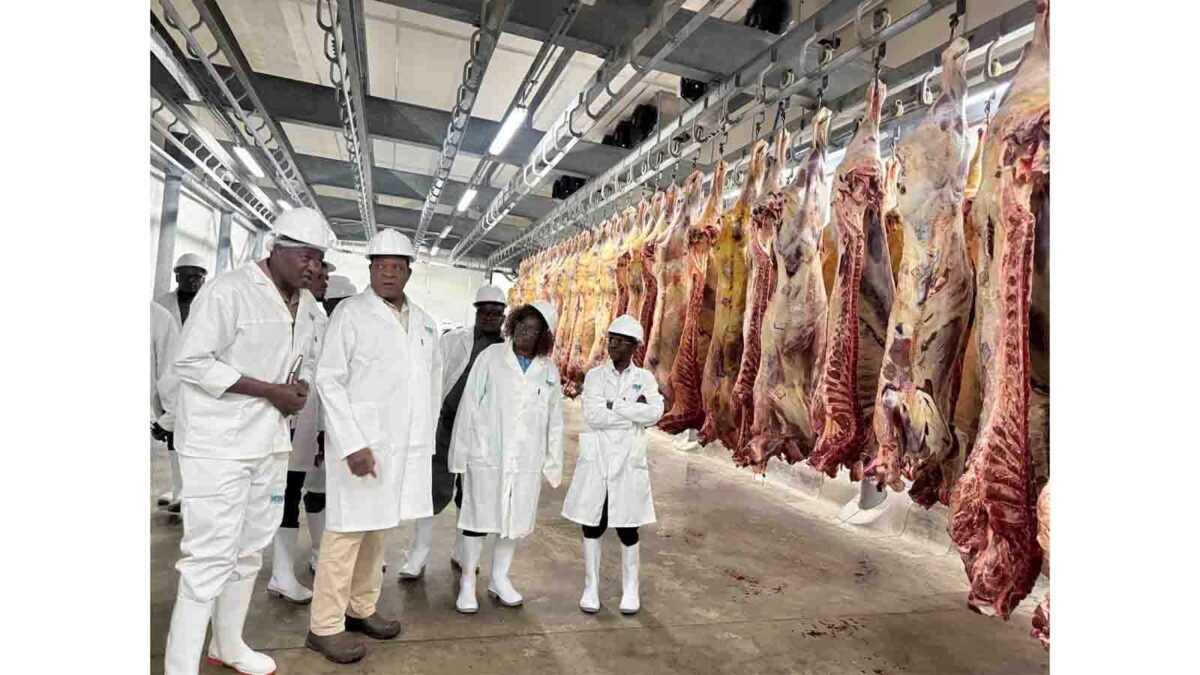
THE resuscitation of the Cold Storage Company since its operational takeover by the Mutapa Investment Fund is proceeding on course with rehabilitation, refitting and now expansion of the Bulawayo abattoir and processing facilities soon allowing a doubling of the daily number of cattle that can be handled.
The CSC is also rebuilding its ability to use its range of ranches and stock-feed lots to buffer the Zimbabwean beef industry and help ensure that when cattle are slaughtered and processed maximum value is obtained.
An abattoir and processing facility goes far further than just slaughtering and freezing carcasses.
At its height, CSC produced almost all Zimbabwe’s leather and converted a lot of what is often regarded as mere waste in a range of organic fertilisers. Nothing was wasted from a carcass.
The CSC, with trusted certification from the Department of Veterinary Services, also handled all of Zimbabwe’s lucrative beef exports, markets that were lost when there were breakdowns in foot and mouth controls among other factors.
At its peak the CSC, then the parastatal Cold Storage Commission, was responsible for 80 percent of the cattle slaughtering in Zimbabwe and almost all butcheries in the domestic market bought their beef from the CSC, with one of its six grades carefully roller-marked along the carcass and clear to both butcher and buyer.
Only the top grade was exported, to earn the sort of price that would justify air transport.
The gradual collapse of the CSC, with the conversion to a company not really helping, almost saw the company collapse, and certainly it ceased to hold any significant market share although still owned a lot of property and infrastructure.
It went into corporate rescue in 2020 and there were increasing demands from creditors, often other State-owned enterprises, that it should be wound up and the assets sold off to at least meet part of the debts.
Instead it was put under Mutapa, which identified the main problems and in October last year with an initial injection brought it out of corporate rescue and started the rebuild, concentrating on the Bulawayo facilities with new cold room equipment and other needs. More importantly, and in line with the general Second Republic policy on State entities and enterprises, Mutapa installed a board and management that knew what they were doing and what had to be done, and even then has kept a strong hands-on approach.
Mutapa has continued with its investment into its now promising subsidiary, now having reached US$9,3 million with the next effort being the raising for next year of working capital of US$10 million.
Already the Bulawayo facility can process 320 cattle a day, and will soon be able to process up to 800 a day once work in progress is completed.
These levels produce extra efficiencies.
Cattle farmers, especially in the drier west and south, are understandably nervous of the impending El Nino and while being urged not to panic, have been advised to work out stocking levels very carefully and sell off cattle above those levels while their condition is still reasonable.
Here the expanded CSC facility will earn its keep, almost certainly able to offer the best prices.
The Zimbabwe beef industry has become dominated by a range of private abattoirs and companies, several of which have managed to establish their own brand names although the days of every carcass carrying grading information seem long past.
But these companies do not have much buffering capacity, buying in cattle shortly before slaughter and relying on farmers to have the right stock available almost on demand.
Here CSC can lever its way back into the market and become a major player, once again using its ranches to even out gluts and shortages, and once again using its giant feedlots to ensure maximum value.
The old CSC had built up decades of experience with working out how to co-operate with small-scale producers, and that is obviously now the dominant production system.
The CSC can also restore, and wants to restore, that full processing so it becomes the first-choice supplier of hides, animal fats and organic fertilisers, converting everything into something that can be sold and so ensuring maximum value for both the CSC and the farmers who will use the company. That in turn will make the CSC at least a major force in the beef industry, and will make it the setter of standards for the industry, so upgrading all facilities regardless of ownership.