admin
admin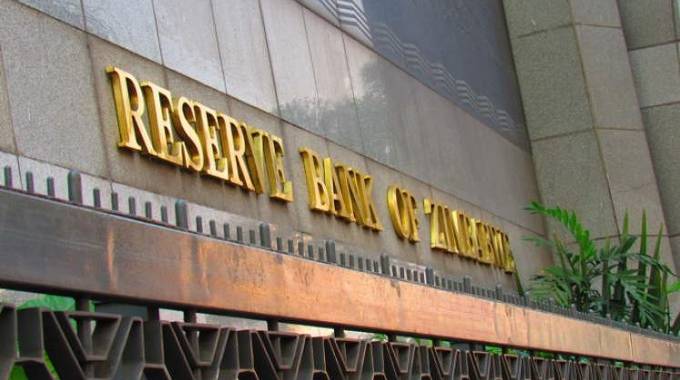
The continual adjustment of the foreign currency regime by the Reserve Bank of Zimbabwe and the Government in light of the dual currency economy, reflects the growth of the economy and the incentives needed to maintain export-led growth as well as the growing internal market.
In his latest adjustments announced this week Reserve Bank of Zimbabwe Governor Dr John Mangudya went for both goals.
He was able to make the adjustments in the first place because the economy is doing a lot better.
First there is overall growth, which is the primary aim since no improvements are possible without growth and growth rates higher than population growth rates, with both of those objectives now locked in sustainably.
But secondly a lot of that growth has resulted in a decrease in imports, because our farmers are growing more of our food, and a growth in exports.
The dual result of that means that the current account, what measures our foreign currency inflows and outflows as a nation, is getting ever more healthy and gives the Reserve Bank some room to manoeuvre.
The big number in this week’s monetary policy statement was the US$9,7 billion in foreign currency inflows last year, long before we look at outflows.
That was not just 53 percent more than the 2020 figure, but broke the record for annual inflows by a large margin.
The previous record was US$7,6 billion, set way back in 2013 at the height of the temporary advantages of dollarisation before all the downside started hitting the books as Zimbabweans started wanting to see more of the gains of that short-term emergency recovery, such as with higher wages and spending more, and we found we were lucky to maintain a level economy with almost zero growth.
The growth came when we fixed the fundamentals, the great start to the Second Republic, and started living in a real world instead of one of make believe.
The growth in the overall economy seen last year, and the spread of the results of that growth among a large slice of the population thanks to the small-scale farming sector becoming an engine of growth rather than a means of survival, has already switched economic policy from “recovery” to “growth”.
That was confirmed by the surge in foreign currency inflows, and since we cannot spend what we do not earn, that meant we could continue meeting the essential demands for imports in a growing economy.
Dr Mangudya’s adjustments in export retention levels across a large swathe of the economy was designed to push harder the process of growth, rising exports and ability to meet the needs for essential imports.
The two major export crops are tobacco and cotton. Both are dominated by smaller-scale farmers and cotton in particular only really works out when done on small-scale family farms.
So pushing the export retention levels to 75 percent for these farmers ensures they maintain their interest, are assured of decent profits if they know what they are doing and are supported, can buy the equipment they need and can retain profits for some self-funding of the next season to add to the contract input schemes.
It is difficult to go much higher because the Zimbabwean economy relies on both to boost the pool of currency needed by others, including those people who are busy equipping fertiliser factories, buying machinery to make roads, building dams and doing all the other stuff that farmers need to make even more money.
Industry saw its retention rise from 80 percent to 100 percent. Here different factors apply. Manufacturing, along with horticulture and cross border transport, the other two sectors now given 100 percent retention, are net importers.
It would be extremely useful if these three could first switch over to sourcing their own currency, and as soon as possible become net exporters.
The Reserve Bank is basically telling industrialists to start thinking this way, forget about topping up auction money with the black market, and to back off the auctions more by getting their chief marketing officer, rather than their chief financial officer, to find more of the foreign currency they need. In other words complain less and sell more.
The hospitality industry, another 100 percenter, first of all needs help. Most of the economy grew during Covid-19 outbreaks, but this particular sector was the one that was hammered by the lockdowns, both internally and globally.
To a degree the switch in retention is a strong inducement for some self-help as they put their businesses back together. Some in the sector, say the large group in Victoria Falls, are net earners of foreign currency and this helps recovery.
Some, like city restaurants, are net importers, but are now encouraged to find the cash for their new equipment without troubling the auctions so much.
The cut back in the facility for members of the public to buy small amounts of foreign currency each week is simply the result of the failure of much of that scheme.
The idea was to allow people to buy the small quantities many people need legally without going to the black market.
Instead most of those using the scheme joined the black market as dealers instead of abandoning it as customers.
And complaints have been growing that you need to be very good friends or a close relative of an owner of a bureau de change, or be willing to slip an envelope under the table, to benefit.
Feeding the black market and fuelling corruption was not the idea, so regrettably the cheats wrecked it for the honest minority.
Dr Mangudya kept the scheme ticking over for the most vulnerable and those needing to access the medical sector, which still believes in black-market rates despite almost unfettered auction access, and perhaps these people can actually get in the queue with the dealers barred.
The dealers can figure out ways of boosting income by doing something productive and adding value, not running around swopping bank notes as they arbitrage exchange rates.
With changes in taxation systems and other moves, both the Government and the Reserve Bank see the eventual goal being an economy run on the Zimbabwe dollar almost entirely, and most countries use their own currency internally almost exclusively so Zimbabwe’s dual economy is an oddity.
But this is a process, not an event, so as progress is made, and especially as inflation is hammered back, a primary goal of the authorities, we need to tweak the system we actually use to make it work better.



 Online Reporter