

 admin
admin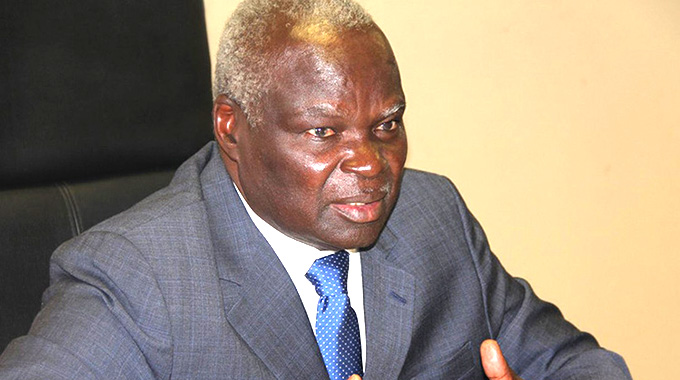
The flooding that hit homes in Chitungwiza built on wetlands and near stream and rivers highlights the greed of land barons, shows the impossibility of regularising most of the irregular stands, and makes it imperative for the homeowners to cooperate with Government to hunt down the barons.
As Minister of Local Government and Public Works July Moyo made so clear at the weekend, it is impossible to fix or regularise the houses built on what we used to call a vlei or a swamp.
This land just simply cannot be used for building, which is why so much of our zoned public open spaces, recreation land, which includes all, but one golf course, and even some school sports fields are developed on wetlands.
With the need to use every hectare of urban space properly, and with so many conflicting needs, it makes sense to use stream banks and wetlands for public open space.
They might look a bit rough now, but future generations will be grateful for having their parks, sports fields and all the rest of their leisure needs met.
Town planners are neither stupid nor vindictive, regardless of whether they are civil servants or council officials laying our State land or private professionals laying out private land.
They have to follow sensible rules and have to allocate a percentage of the land for schools, recreation, public open space and other public needs.
So, being sensible people, they will plan their buildings on the land that can be built on and leave the land that cannot be built on for the open spaces.
This means that land left open in any suburb is almost certain to be totally unsuitable for building. Corrupt councillors wanting “in-fill” development, and greedy land barons ready to seize vacant land to sell, will only find this unsuitable land left. The proper building sites have already been laid out and sold.
And then we get a decent rainy season, and a whole lot of people find out that the term “wetland” is an accurate description of low lying land that must not be zoned for construction. It might be dry in winter and dry in a drought, but come decent rains it reverts to the swamp that gave it the name.
This is why regularisation can only be applied to a special fraction of unserviced land, that which was properly laid out, but where building was allowed to start before the roads were built and the water pipes and sewers laid.
It is only on these areas where the houses are built in the right place to start with that it is possible to come back later and put in the infrastructure, but there are not that many such areas.
For the rest regularisation is a physical impossibility.
Minister Moyo wants those duped by the barons to come clean, give the authorities their names and thus allow Government to help them sue these criminals and get their money back.
People have spent money on buying land, and regrettably many knew that the stands were not fully legal, but believe lies about regularisation, and then spend more money on bricks, cement, door and window frames and roofs.
They need to be able to get this money back from those who spun the yarns and told the tales. The legal complications will be immense, because in some cases corrupt urban councillors, corrupt officials and other corrupt politicians even changed the layouts from the approve professional plans.
So this is why major class actions, with Government backing, are needed while, with the extra information, the anti-corruption bodies can get a grip on those who profit from lies and suffering and start bringing them to account in the criminal courts as well.
There are plans to allocate proper building land to those who were duped, but they will need the money they lost to buy that land and to buy new building materials. Hence the need for legal action as well as administrative decisions.
National Housing and Social Amenities Minister Daniel Garwe yesterday went further as he toured flooded suburbs. He wants the duped house owners to stop making payments to the land barons and to stop making payments to councils.
He also stressed what has become obvious to most, that the land barons who are working in cahoots with corrupt council officials and corrupt councillors.
Chitungwiza Town Council, which against the wishes of a majority of town councillors managed to get its administration taken over by a honest senior official as acting town clerk, one who has already reversed a whole lot of dubious and plain dishonest land sales before much further damage was done, outlined the problems people face.
Dr Tonderai Kasu noted that the floods highlighted the need to stay clear of wetlands and streams, and even when Chitungwiza upgraded its storm water drains, many of these areas were still going to be under water in the rains.
The problems arising from the corruption, semi-corruption and near corruption in our towns and cities, and especially Harare and Chitungwiza, are not theoretical.
They are families with flooded houses that should never have been built and which can never be regularised.
The two ministers whose responsibilities overlap in the cleaning up of the mess have both visited afflicted communities and both are offering support.
We know what the answers are, but as Minister Moyo noted, to get the money back and punish the criminals, the authorities need the support of those who were conned.



 Online Reporter