

 admin
admin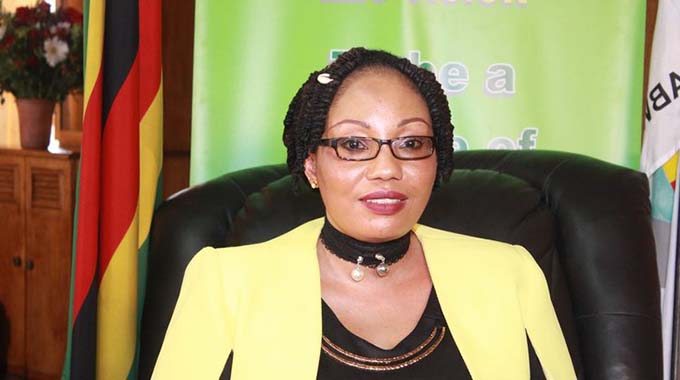
The basic idea behind representative democracy is that candidates for office try and persuade those who vote to support them, and do this without threats or coercion, but by explaining what they stand for, what they have done to make them a useful office bearer and what they hope to do if elected.
The winners are those who won the most votes, a very simple concept that even small children can understand, and the losers missed out because they did not have as much support as they might have hoped. The critical point to note is that it is the voters as a whole who choose who represents them, not the candidates and not even the most committed supporters of a particular candidate.
The administration of the polls has to pass muster of course, but between the Constitution and the Electoral Act there are some exceptionally detailed requirements for those who register voters, provide the polling stations and those who run them and then count the votes, along with safeguards, such as allowing every candidate to have an agent at every polling station in the area where they are running for office.
If someone feels that there has been hanky panky, or even just administrative errors, then they can appeal to the courts, with the Constitutional Court handling presidential poll objections, where their evidence will be considered and if they can show something went wrong then the poll can be nullified and a new poll organised.
These days all candidates in a Zimbabwean election have to go a little further and read and sign their agreement to a code of conduct as a condition of submitting their nomination, which means that the rules are widely known and so can be enforced since there are no grey areas due to vagueness.
This was carefully explained by the chairperson of the Zimbabwe Electoral Commission, Justice Priscilla Chigumba, still a sworn judge detached for other duties, when she met representatives of political parties, civic organisations and others this week, another upgrade for our electoral processes which now require multi-party liaison committees at all levels, first to make sure everyone understands what is going on and secondly to fix any potential problems effectively and early.
Justice Chigumba is worried that some candidates and some parties reckon the commission is at fault if they lose, since they are firmly convinced that they are the obvious winner long before anyone has actually walked into a polling booth and marked a ballot paper with an “X”.
She even had to point out that the way to win is to sell yourself to the voters so that a majority want you or those you support to represent them and that candidates will find canvassing for votes far more effective than hurling abuse at her commission and polling station officials who are determined to follow the law, which incidentally after the last amendments had a wide measure f cross-party support.
And if they want changes to the law, then Parliament is the place where those are made.
One matter that has arisen is a lot of anonymous attack on the commission over the voters’ roll. Nothing formal mind you, nothing based on even minimal evidence that can be taken to a court, just allegations with zero evidence.
A voters’ roll is not a static document. People die, and their names need to be removed. People turn 18 and need to be added.
People move house and while someone moving 500m from Highlands south to Greendale north might not bother telling the commission, although they will vote in the wrong ward for the council election, someone moving from Mutare to Plumtree or from Gokwe North to Mount Selinda will be anxious to vote near their new home.
The commission is continually looking for ways to make voting as easy and as smooth as possible. Polling stations need to be near most homes, hence the general trend of starting with primary schools before filling any gaps.
Queues need to be short, even more important in a Covid-19 environment. All this is just logistics and the commission can use what happened last election, plus go through any complaints, to make it better next time.
But as the judge noted, to assume you have won before anyone votes and then to blame the commission when the number of ballots with marks next to your name is fewer than the number of ballots with the winner’s name marked is a perversion of the whole process.
You cannot assume you have the votes: you have to persuade people to give you their votes.
We saw this last weekend. Mr Nelson Chamisa quite clearly stated that his party, which he admitted was just a group of people who back him without any formal membership, constitution or set of values, had already won the by-elections next month and that he and this grouping had won the elections next year.
This might just be hyperbole that politicians, especially those taking the populist path, have been known to adopt. But Mr Chamisa, who has a record of this sort of thing, appears to be serious.
He made it clear that if he and his closest companions are not declared winners he will “unleash” his supporters into the streets so that he can then assume the power he has now declared he has already won. Defeat, in this fantasy world, will be because of the malice of the ZEC failing to recognise that obviously everyone voted for him and his friends.
He said he would not even use the courts, presumably because he has found judges want to see something at least probable in the way of evidence, not just a general statement that no one else could possibly win.
Fortunately, the Constitution and the law make it clear that we the people, the voters, decide who wins. And as voters we want all politicians to recognise that it is our decision, that we matter and we want to know who the candidates are, what they stand for, what they have done and what they might do. We dislike being told that we do not matter since someone has already won.
Justice Chigumba got it right. Tell the voters who you are and persuade them that you really are the ideal candidate. And then leave to them to decide if they agree and in any case accept their verdict, whether you win or lose.



 Online Reporter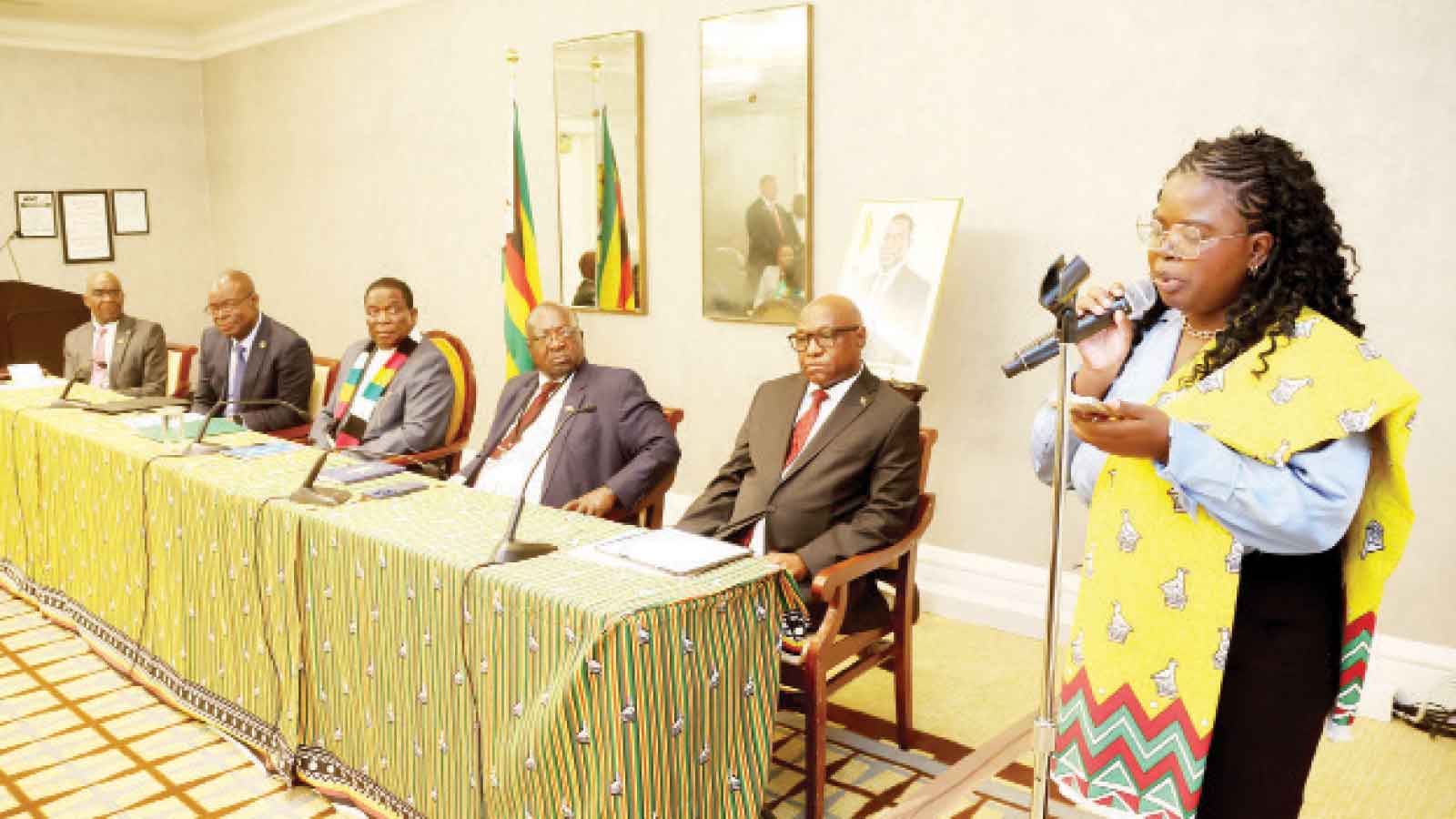
 dyton mupawaenda