Online Reporter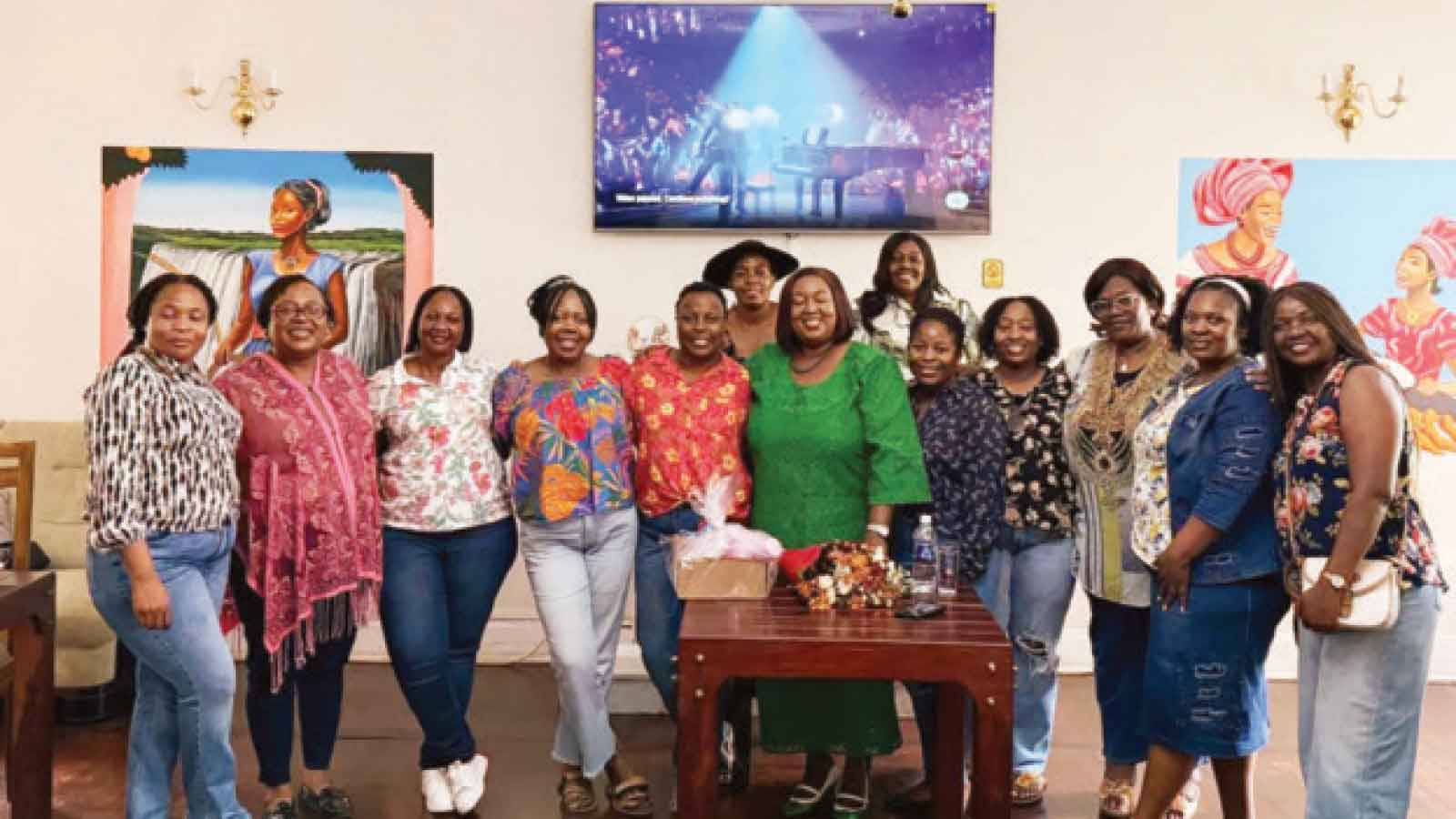
AS we celebrate International Women’s Day, and the women’s month, it is critical to understand how the Government strongly values women’s participation in everything Zimbabwean.
The Second Republic has attached great importance to women and this is witnessed in the way it deliberately promotes women’s welfare and their participation in national development.
So, deliberate has been the move that, today women occupy some of the most critical pillars of national governance.
Using the mantra leaving no one and no place behind, the government has been very sensitive to women’s issues and has not given men advantage over women.
The Government has given equal opportunities to men and women and does not make decisions based on gender but based on capabilities.
So, the International Women’s Day is a good time to reflect on how sensitive the Government and especially President Managagwa has been in including women in national governance, locally and internationally.
A lot of progress has been made.
The 1980s saw the initial ground clearance, granting women full legal equality, starting with the election of some to Parliament and appoint of the first women Cabinet ministers, along with the Legal Age of Majority Act that deliberately legally emancipated all women aged 18 or over.
Employment regulations were changed in both the private and public sectors, to grant legal equality to women regardless of marital status. Other contingent changes cleaned up a lot of other law.
This was a necessary start. The public service moved fairly steadily so that today we have situations like a majority of magistrates being female and a large block of women judges and a decent contingent of female permanent secretaries.
In the private sector female CEOs of large companies are hardly unusual, although again men still predominate, and many women now own and manage their own businesses, but not a majority despite the progress.
So when we look back we can see the revolution.
But before anyone gets smug over the progress, we need to look at just how much still needs to be done, including major changes in the way people, especially many men, still think and the need to change society norms and expectations.
Legal equality and significant progress on other fronts, mainly economic and social, is an excellent start.
But we are still a long way from the practical creation of a society where everyone has dumped the outmoded past norms.
Socially we have a lot of work to do. Gender-based violence, overwhelmingly by men against women, was largely ignored until recent years.
Major campaigns, largely to make this unacceptable to everyone and help women in practical ways to come forward, are working, slowly. But such violence costs Zimbabwe about US$1,36 billion a year, about 4 percent of total gross domestic product.
In other words, those who worry about economic status, should recognise we would all be on average 4 percent richer if we stopped beating up women.
Changes to marriage law and the general criminal law to ban forced marriages and marriages to people under 18, again with women being the vast majority married off early, are a start.
But we still need progress to stop what most recognise is a significant number of unregistered customary unions involving teenage girls, although the route to registration has been blocked.
Economically progress is a long hard battle. Yes, there has been progress and those with exceptional skills have moved to the most senior positions or own really good businesses.
But there is still a premium; very often a woman has to be 10 or 20 percent better than the nearest male competitor to make it, although this premium is falling.
That makes the lot of the average woman, who also faces the old fashioned social norms, particularly difficult, hence the special programmes launched by the Second Republic.
They could all use more funding, but as those who run them note, each woman raised out of poverty is another step on the way we want to travel.
The informal sector might have a majority of women running the small to medium enterprises, or even sitting as vendors, but space barons and those collecting the rent and the profits tend to be men, another hit.
One point that perhaps too few consider is that when we look at Zimbabwe’s overcrowded prisons, is the small fraction of women in the totals.
There are very few violent women prisoners, but even among those jailed for fraud or theft they are a small minority; so betting on the economic enablement of women appears to have other advantages besides ensuring that the female half of the population are able to make their full productive contribution to themselves, their families, communities and the nation.
So while we have made a lot of progress, there is still a long way to go before we have the society that we should have.