admin
admin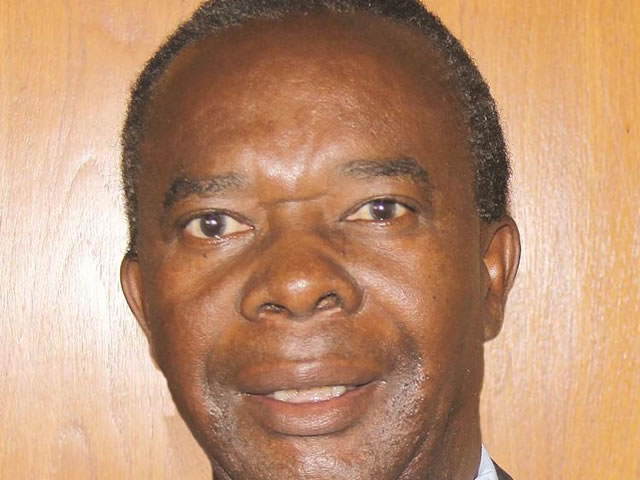
TODAY the nation of Zimbabwe gathers at the sacred national shrine, the Heroes’ Acre, to bid a final farewell to one of its longest serving and devoted civil servants, Dr Charles Utete.
Dr Utete devoted all his life and intellectual prowess from 1980 until retirement in 2003 to the daily service of Government and his nation, a distinction few can match.
President Mugabe has described Dr Utete as a loyal, committed team player, a fitting tribute to a man who served him from the time when he assumed the mantle of leading this nation as it transitioned from a white settler colony to independence and majority rule.
As the topmost civil servant serving the Office of the President and Cabinet, there is no doubt that Dr Utete was at the centre of formulating and executing Government policy. The most difficult of those tasks must obviously have been trying to transform the civil service from a white dominated institution to one ready to meet the expectations of a previously marginalised majority.
That required a lot of diplomacy in dealing with resentful whites who were certain to lose their privileged positions. They were going to be obstructive to the whole policy of trying to Africanise the civil service in particular and public administration in general.
That required someone who could deftly negotiate his way through and the courage to remain steadfast.
His successor Dr Misheck Sibanda has testified that the civil service as we know it today bears in every way the imprint of Dr Utete who executed his duties without unduly straying into the often treacherous political arena.
It was dedication to duty and nation that saw Dr Utete spend more than 20 years at the top of the civil service.
That meant foregoing the ostentatious life of executives in the private sector which he could very easily have done given his qualifications, especially at independence.
It also meant being subjected to attacks and criticism which is routine when one is at the top. Dr Utete endured all that with equanimity and stoical determination.
The fast-track land reform programme of 2000 brought with it more challenges as it wasn’t a structured undertaking with clearly laid out systems. It was a first for everyone, meaning everyone was learning along the way. The outcome was unpredictable.
As history will record, it became Dr Utete’s duty to lead the Presidential Land Review Committee in 2003 to evaluate what had been achieved and the challenges.
It is a matter of public record that the review committee unearthed policy violations, some of which were inevitable in carrying out such a mammoth programme.
The Committee found that many senior Government officials and ministers had taken more than their fair share of farms, which was against both party and Government position.
It required a person of unquestionable integrity to expose and reveal such shenanigans to the highest office in the land. Lesser men would tend to massage reality and give an impression of a perfect exercise.
Dr Utete collapsed and died at his Highlands home on July 16. Fortunately for us Zimbabweans, he did not die with his work. He left behind a legacy of dedicated service. He left behind a solid civil service. He left behind a legacy of ethical service which should serve as an inspiration to us all. The entire bureaucracy at the service of Government is a monument to his labour of 23 years.
The honour of national hero that has been bestowed on Dr Utete is more than deserved for a man who dedicated his entire life to the selfless sacrifice for his nation and resisted the lure of a glamorous life in the service of other nations.
In this hour of mourning, we still must thank the Utete family for donating their son, husband, father and leader to the service of the nation. That is why this national honour is fitting. Farewell son of the soil, Rest In Eternal Peace Father of Public Service.


 Online Reporter