Online Reporter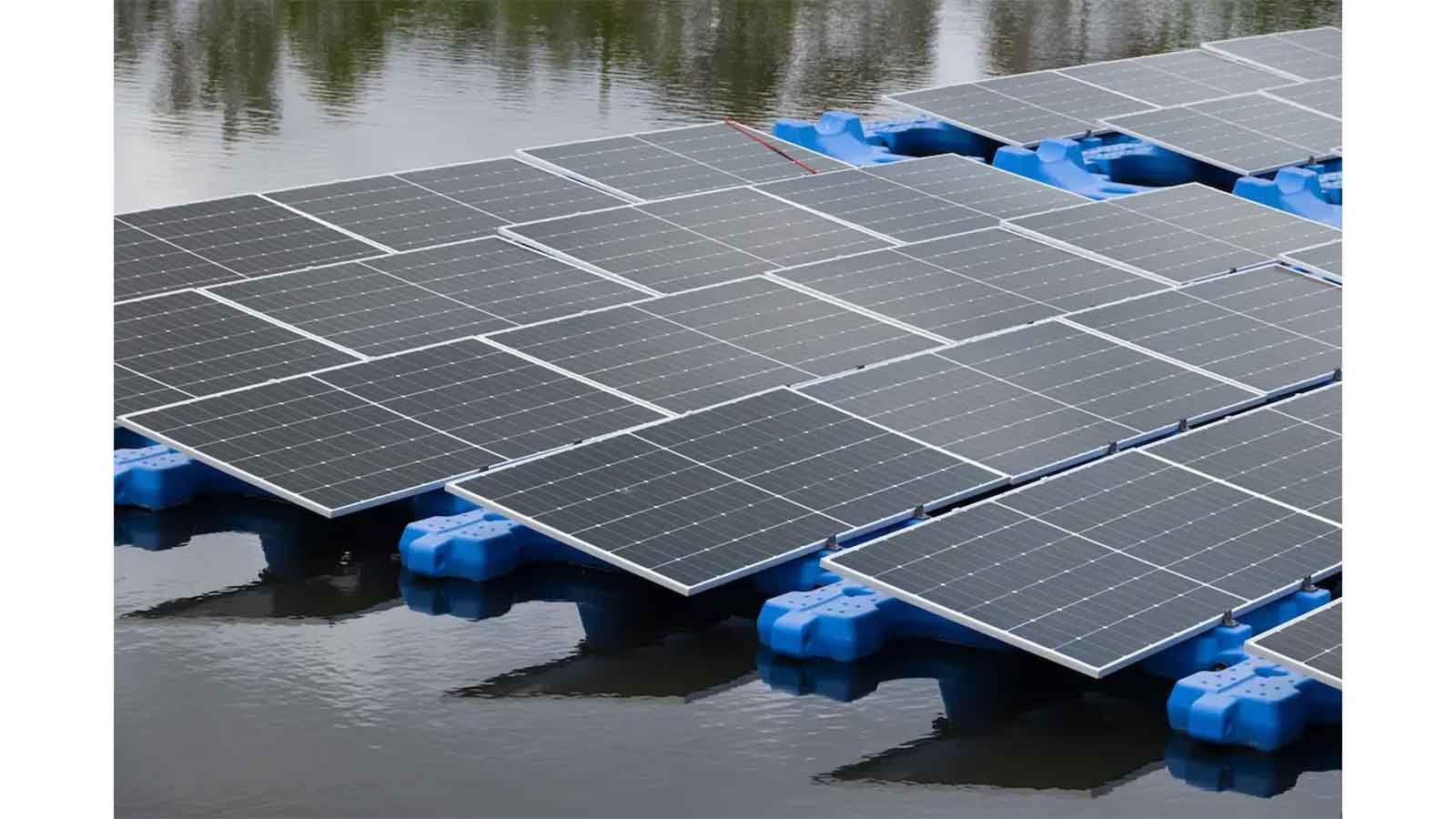
THE large 600MW solar power station soon to start being built and floating on Lake Kariba makes a great deal of sense, using a lot of the transmission infrastructure already in place and not needing to relocate a lot of people as a pure terrestrial solar station of that size would require.
With climate change there have been inadequate flows in the Zambezi River for Zambia, with its 1 080MW installed capacity at Kariba North, and Zimbabwe, with its 1 050MW installed at Kariba South, to come much closer than averaging a little under half their installed capacity, and that is after a very good rainy season in southeast Angola, the main source of Kariba water.
Both power authorities did extend their capacity as the cheapest way of coping with peak demand, using more of their equal water rations from the Zambezi River Authority at these times and then cutting right back in say the early hours of the morning when demand is very low. But even with that flexibility, output is lower than the transmission infrastructure was built to handle.
So Zimbabwe has licensed and backed a private sector initiative under a public-private partnership to build a 600MW floating solar station on the lake, with the financing for the first phase of 150MW almost complete along with the financing arrangements for the rest of the scheme. Such floating power station technology is available and the concept has been tested and proved commercially viable in China.
One huge plus of a floating station is that no one has to be relocated and no earth moving is needed to create a large flat area. The station, while large, covers a very small fraction of Lake Kariba so the environmental impact is very small, which is why this station easily passed on its environmental impact assessment.
With 1 050MW of transmission infrastructure at Kariba, there is plenty of spare capacity in light of modern generation levels so costs can be contained as no new transmission capacity is needed, at least in the near future.
One obvious extra bonus could be to run the solar station and the hydro station together to keep the total output at 1 050MW, cutting back on hydro in daylight hours even if there has been a run of good Zambezi flows, and then using far more of the daily water ration at night.
This could minimise the need for battery storage, with the lake itself being the largest battery, storing a chunk of the daily water ration while the solar station was going full blast, and then using that extra water to take Kariba South up to its full output from the later afternoon.
One important aspect of this new project is the backing it is getting not just from Government, but from a consortium of major mining and industrial power users, who rather like the idea of having guaranteed extra power, and clearly for some priority on supply for investing partners.
The multiple backing is important and must have been a consideration for Afreximbank, who provided a US$4,4 million facility for the initial work and who are providing or backing the US$400 million needed to complete the project. Zimbabwe has already shown that when everyone pulls together a lot of positive things happen.
Solar is, of course, a green renewable energy as is hydropower. Technology improvements and falling costs have now reduced the cost of new solar to below the cost of equivalent new coal stations with the gap widening each year since the critical switch over a year ago. This would be especially so when there is no extra cost in buying or leasing land, moving people and clearing the land for a power station.
This means the push for solar is more than just seeking environmentally friendly sources of power, but is actually sound commercial sense, and the floating station is that with a number of extra pluses.
Zimbabwe does not have to go through the complications and pollution and greenhouse gas emissions that most of the developing world had to cope with as they industrialised and build up their generation to give every household a decent energy supply for modern lifestyles and appliances. We can take a shorter and less costly path using renewable energy sources creatively and with innovation to achieve the same development levels.
Hydropower, the first of the green power sources tapped, is realistically not going to be able to provide all that we need, although it remains a critical component of power supply. Fortunately, we are in the tropics and get plenty of sunshine, and so can tap that resource.
The Kariba floating station has already, before the first panels are launched, excited potential investors and already a second station has started the process of drawing up detailed environmental impact assessment and seeing what additional costs might be incurred, such as expanding the transmission connections to the national grid.
These large solar arrays seem to be the main future on both cost and environmental grounds, so Zimbabwe can continue growing with minimal damage to the environment while ensuring all our people can progressively move up the economic ladder.