dyton mupawaenda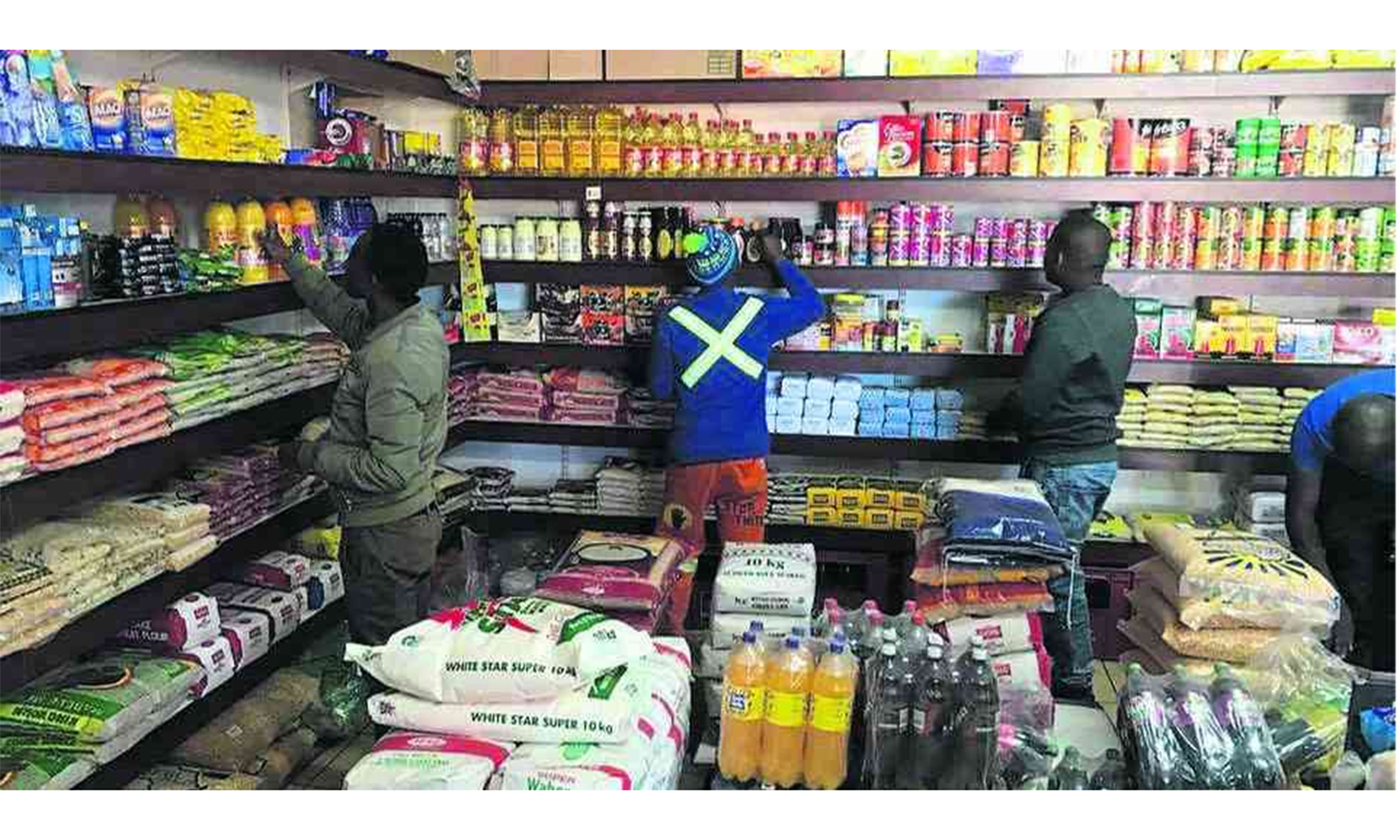
A MAJOR joint drive to bring the large informal sector in Zimbabwe into the realm of the formal economy was set in motion by fiscal authorities in the last Budget and subsequent tax laws for this year.
This was further reinforced by monetary authorities in the last monetary policy statement.
With so many people earning their living through the informal sector, no one, least of all the Government or the Reserve Bank of Zimbabwe, wants to see this sector crushed or closed.
Everyone in fact wants to see it flourish as part of that general effort to see major growth in the micro, small and medium businesses.
But this flourishing needs to be done within the general legal and regulatory network that all businesses in Zimbabwe, from the smallest to the largest, need to follow.
There are many reasons for this from ensuring that due taxes are paid, and these may well be minute or even zero for the smallest, and that all business is connected through the banking sector and can serve all potential customers.
There is also a need to ensure that all businesses operate with the appropriate licence from their local authority, partly because they want the services that this council is supposed to provide and partly to ensure that they meet whatever safety and health standards are seen as absolutely essential.
The Reserve Bank, through the Bankers Association of Zimbabwe, is now implementing one strand of this formalisation strategy.
All businesses now require a bank account and a Point-Of-Sale machine before they can be licensed by their local authority. This will require dual pressure by the Reserve Bank and the local authorities, the councils sending their inspectors out to exert pressure and the banks ready and willing to open at least basic bank accounts and issue the POS machines.
Very small businesses have complained that often the bank charges and licence fees are high compared to their turnover and while this is a common complaint right along the business sectors, there could well be a need for special small business licences and cheap basic bank accounts.
This, after all, seems to fall within the Government policy of backing measures that make doing business ever easier.
Harare City Council inherited a dual licensing system from the settler days, with cheap hawker licences as well as shop licences and this worked well by making sure anyone selling anything in the city had a licence, but in a large group of cases, a very cheap licence.
We would imagine a triple licensing structure, with three levels of licence, could easily be implemented to ensure universal coverage, but with a strong element of fairness.
Banks have come under pressure from the Reserve Bank to depend less on fee income and continually adding costs to customers and instead return to their traditional role of borrowing from savers and lending to borrowers and making their serious money from the gap between the two interest rates.
In any case, a basic zero-overdraft bank account for a small business seems a good place to start.
POS machines that have been stocked include suitable machines for areas where there is no mobile-phone network, not very few, and the more numerous areas where power supplies rely on what sort of solar charging screen the business can mount. That is a good start.
We also think that customers must be given a real choice about using these POS machines and suggest that businesses are forced to put up the appropriate sticker from their bank, and that there are hotlines that customers can use to register complaints.
We have seen large formal businesses apologising for having broken POS machines, when they are just switched off and hidden, and this will be a serious temptation for smaller businesses as well. Those claiming a “broken” machine should be visited promptly, with repair or replacement for a genuine problem and a stiff service fee when the machine is in fact sound.
At the end of this month a set of very high presumptive taxes come into effect for a wide range of informal businesses. Small informal businesses were encouraged to register with Zimra to avoid these and pay what will be, in the overwhelming majority of cases, a far smaller calculated tax and in a reasonable group of cases perhaps no tax if the profit for a sole trader is within the zero percent tax bracket.
Most will have to pay something, but not very much since they are small businesses. But if they have not registered with Zimra and kept the basic sort of books required, a list of incoming revenue and outgoing costs and expenses would probably work at this level since it is assumed in many cases that they are remarkably flourishing businesses.
A tuckshop for example, with a US$9 000 presumptive quarterly tax bill, will be assumed to be making a profit of almost US$12 000 a month, which would in turn require considerably over US$100 000 a month coming over the counter before stock is bought, wages paid, rentals paid and all the other legitimate expenses, including of course bank charges and licence fees.
Hardly any of these little businesses come even close to these levels and would be far better off if they just went legal and paid the far smaller sums that would then be required in almost all cases. The huge presumptive taxes were set to make sure the ultimate exceptions paid enough tax, but tiny businesses will be caught in the net if they do not register and pay their tiny taxes.
Small family businesses, and this definition covers a vast swathe of the informal sector, flourish as small formal businesses across many countries.
Even what we tend to call tuckshops are seen as the corner grocery convenience stores and “mom and pop” family stores in many cities and villages, competing against supermarkets with their lower costs, convenience and special services to their customers.
The formalisation drive, with sensible costs and fees as well as maintaining the progressive tax structure with its lower rates for small sole-traders, must be pressed so we can have what we need, a flourishing and large small business sector.
This sector must, at least in aggregate when all the little tax payments and special licence fees are added together, make a fair contribution to public finances and offer its customers a safe and secure environment, as well as maintaining the convenience and special service that makes these businesses so desirable and viable.



 Online Reporter