Online Reporter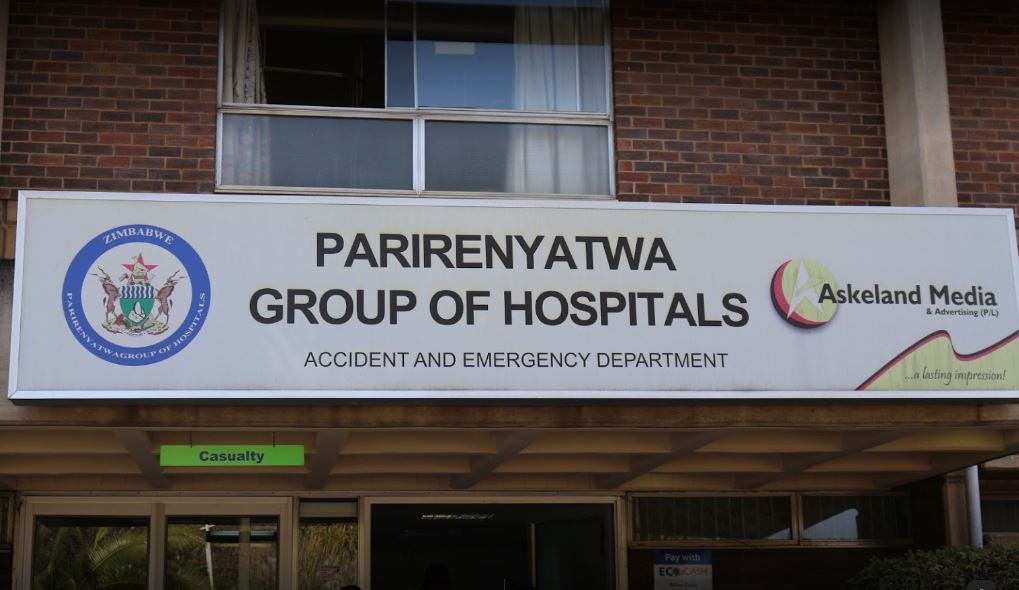
Major public referral hospitals are receiving new high‑tech equipment, thanks to innovative ways of raising the required funds.
Two of the planned four cancer treatment machines have now arrived, funded through the new tax on sugary drinks introduced in the 2024 National Budget.
While the tax on each bottle is very low, and sales have not suffered — sugary drinks still costing the same as those with non‑sugar sweeteners — the small amounts of tax add up.
Last year, the Ministry of Finance, Economic Development and Investment Promotion was able to release US$5,3 million to the Ministry of Health and Child Care to pay the initial deposit, ensuring that as soon as the machines were built and the next tranche of payments was ready, they could be shipped to Zimbabwe.
The size of the deposit shows the scale of funding required for top‑of‑the‑range equipment, and the need for Treasury innovators to significantly extend the capital budget of the Health Ministry outside the normal tax structure — without expecting Government health professionals to skimp on what they require for more routine work.
There were doubts in some quarters that the money would ever be enough and that the machines would ever arrive, despite the determination of the Finance Ministry to ring‑fence the new revenue and continue collecting the cents until they accumulated into serious sums — running into millions of US dollars.
The promises have been kept.
The arrival of the two cancer machines — allocated to Mpilo Hospital in Bulawayo and Parirenyatwa Group of Hospitals in Harare, ensuring the benefits are spread — came just days after a brand‑new advanced heart‑lung machine arrived.
This will ensure that open‑heart surgery, now restored in Zimbabwe, can be done more often and more safely.
Government hospitals are now resuming their leading position in offering the highest levels of medical care.
With the arrival of this advanced equipment, they can promise the growing number of highly skilled medical specialists in Zimbabwe the facilities they need.
This, in turn, will encourage more specialists to remain in the country, helping to build up teams and ensure the next generation of specialists is properly trained and ready to take its place in Zimbabwe’s medical sector.
It may seem unusual to rely on what is effectively a piggy bank to collect the huge sums required, but as with many consumer “sin” taxes, the Finance Minister is willing to explore new ways of raising money.
He appears ready to set very low tax levels that keep sales stable while still filling his piggy bank many times over.
As a result, we now have taxes on a range of fast‑fried foods, using the same concept, along with the older taxes on cigarettes and alcoholic drinks.
Most people would protest loudly if Government and Parliament decided to raise the same sums through increases in income tax or VAT.
However, the new sugar and food taxes generated reactions that did not rise above mild irritation, coupled with the hope that Government would indeed spend the money on cancer and other critical equipment.
With the promise kept, we have achieved the neat outcome of introducing a tax that few objected to — and now, those who think about it might even feel somewhat virtuous as they drink their next sugary beverage, knowing they are contributing to healthcare.
This sort of innovation must continue, especially as Zimbabwe will receive less funding from development partners.
We, the taxpayers in one way or another, will have to find additional resources if we want a decent, well‑equipped health system that functions properly.
It goes to show that Zimbabwe can not only achieve this but can do so in ways that keep the economy growing.
Ordinary tax revenue — needed to staff and run public health services — also grows, while large capital sums can still be raised to equip specialist units and continue developing what already exists.
All that is required is the continuation of a Health Ministry that has recovered and is now progressing, staffed by professionals whom Zimbabweans are proud to see rising to the top of their field — supported by well‑administered supplies and resources at high levels of efficiency.
A Finance Ministry capable of finding ever‑larger sums in each budget to sustain that progress, and to pay for high‑tech equipment, is the other essential ingredient — and that partnership appears to be working remarkably well.