admin
admin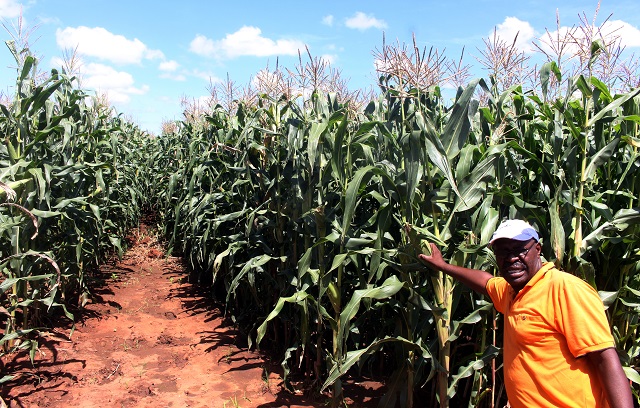
The Government will increase the number of household beneficiaries that will receive farming inputs under the Presidential Input Support Scheme to 1,8 million in the 2017/18 farming season. A total of 800 000 households benefited under the same scheme last farming season.
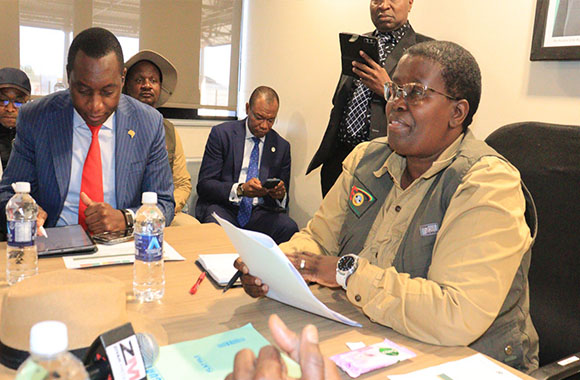
The Minister of Finance and Economic Development Cde Patrick Chinamasa told stakeholders that attended a Command Agriculture coordination workshop in Harare on Wednesday that Government was committed to supporting agriculture in a big way in the 2017/18 season hence its decision to increase households benefiting from the inputs support by one million.
He said Government will also extend by another year the support it is giving to cotton farmers. He said the private sector was already supporting wheat production and Government will complement this by also supporting wheat, soya beans and livestock production under Command Agriculture. Minister Chinamasa said Government spent $30 million on the Presidential Inputs Support Scheme and $42 million to support cotton production.
The private sector supported agriculture to the tune of $264 million last season. Zimbabwe demonstrated that it has the capacity to fund its own programmes to boost agricultural production as demonstrated by the success of the Command Agriculture which was bankrolled wholly by local institutions.
We want to commend Government for announcing early its decision to increase the beneficiaries of its inputs support scheme to enable farmers to also prepare early. The major challenge encountered last year by farmers under Command Agriculture was late disbursement of inputs. There was also shortage of some inputs such as Ammonium Nitrate fertilizer. It is our fervent hope that the Government, farmers, the private sectors and other stakeholders learnt from last season’s shortcomings.
Last season’s experience should therefore assist all stakeholders to improve this coming season. Government on its part should start working on logistics to distribute inputs to farmers to avoid later deliveries which were experienced last season. There should be adequate transport to move the inputs on time to points close to the farmers to avoid what happened last year when farmers were in some cases forced to drive to Harare to get inputs.
The issue of senior Government officials and politicians abusing their positions to jump queues at distributions points should be addressed. Government, we want to believe, has plugged loopholes that resulted in some pseudo farmers receiving inputs which they later sold on the black market.
Following last season’s bumper harvest, the private sector has no reason to doubt the commitment and capacity of our farmers so we expect the support from the private to increase this coming season. Zimbabwe’s economy is agro-based so farmers produce most of the industry’s raw materials. The private sector by supporting farming as it did last season is infact boosting the production of raw materials for its industries. The country harvested enough grain this year to meet its consumption and therefore next season’s thrust should be to produce surplus for export.
Farmers with the support of Government and the private sector, should once again shame the prophets of doom by proving that they have the capacity to fully utilised the land allocated to them under the land reform programme.



 Online Reporter