admin
admin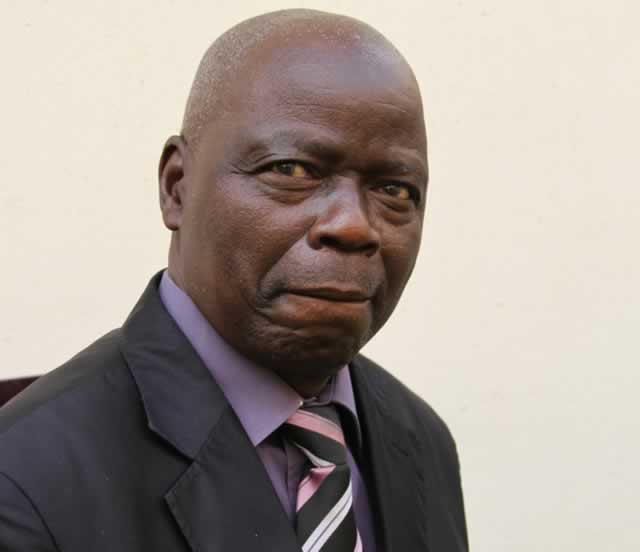

THE revelation by Energy and Power Development Minister Dzikamai Mavhaire that the country does not have fuel reserves must have sent shock waves especially to industrialists and the general motoring public.
This is because fuel forms an important aspect of our economic life as it is needed in various applications. Without fuel, the country can easily ground to a halt.
According to Minister Mavhaire, the country is importing four million litres of fuel a day, all of which is used up, leaving none for reserve.
“We have a capacity of moving four million litres a day into the country and consumers are using the same amount of fuel. This means we do not have extra fuel in storage. What is being imported is being used on that day,” he told parliamentarians at a pre-budget seminar in Victoria Falls last week.
Failure to maintain fuel reserves can leave the country exposed should something happen in the supply chain either from the fuel source countries or along the delivery channel. This means a delay of just one day in delivering fuel can result in the country running out of the vital commodity.
According to Minister Mavhaire, for the country to start building fuel stocks, it needs to increase imports to six million litres in the next two years and eventually to 7,5 million.
The liberalisation of the fuel sector a few years ago might be part of the reason why the country does not have fuel stocks. Before the opening up of the sector, the then National Oil Company of Zimbabwe was the sole importer of fuel which then sold to service stations.
Because it was a state-owned company, Noczim could afford to maintain strategic fuel reserves.
However, the coming in of private players also saw the demise of Noczim.
Since private players are in business to make money, they probably see no need to maintain large stocks of fuel in storage facilities that do not bring in instant cash.
They are happier if all the fuel they bring in is sold as soon as possible without accruing additional storage costs.
Government needs to come up with a strategy to ensure that fuel stocks are built up before some disaster strikes.
Imagine if a massive cyclone was to strike the coast of Mozambique disrupting operations for days. It would mean Zimbabwe would not have fuel as 95 percent of its fuel requirements are transported by a pipeline from the Beira coast.
Players in the oil industry need to share the cost of setting strategic oil reserves that would be used in case of emergency. While it might increase costs, the Government seriously needs to set a universal fund for players in the fuel industry to set up viable fuel stocks which can cover up to a month in case of disturbances in the supply chain.
The world over, governments maintain strategic oil reserves in case of emergency. Now that the minister has noted the lack of fuel reserves in the country, he needs to take decisive action to address this anomaly because the country cannot afford to go a day without fuel.



 Online Reporter