Online Reporter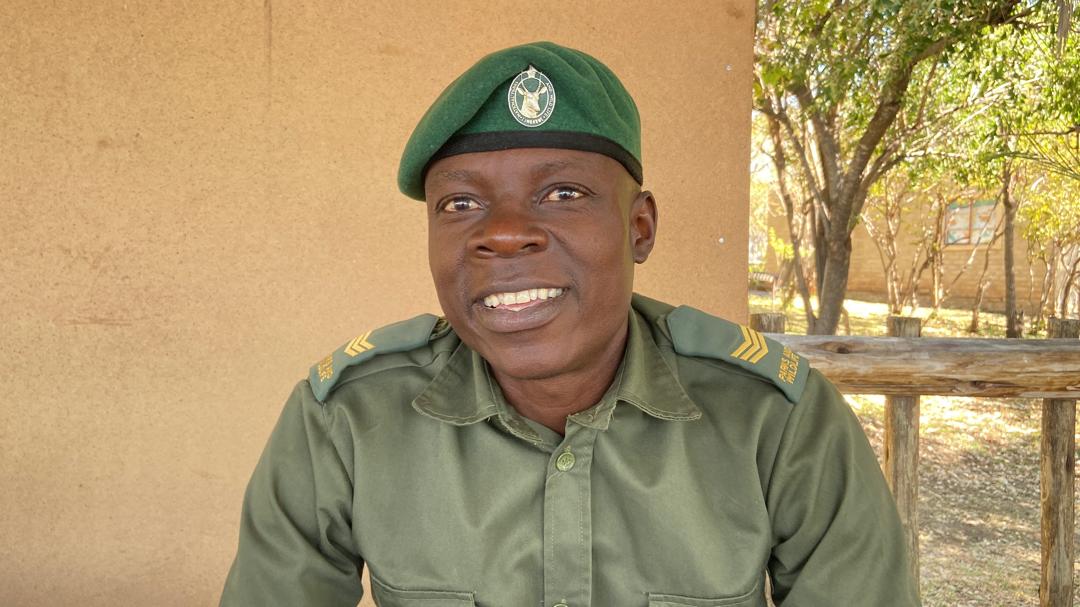
Rutendo Nyeve, [email protected]
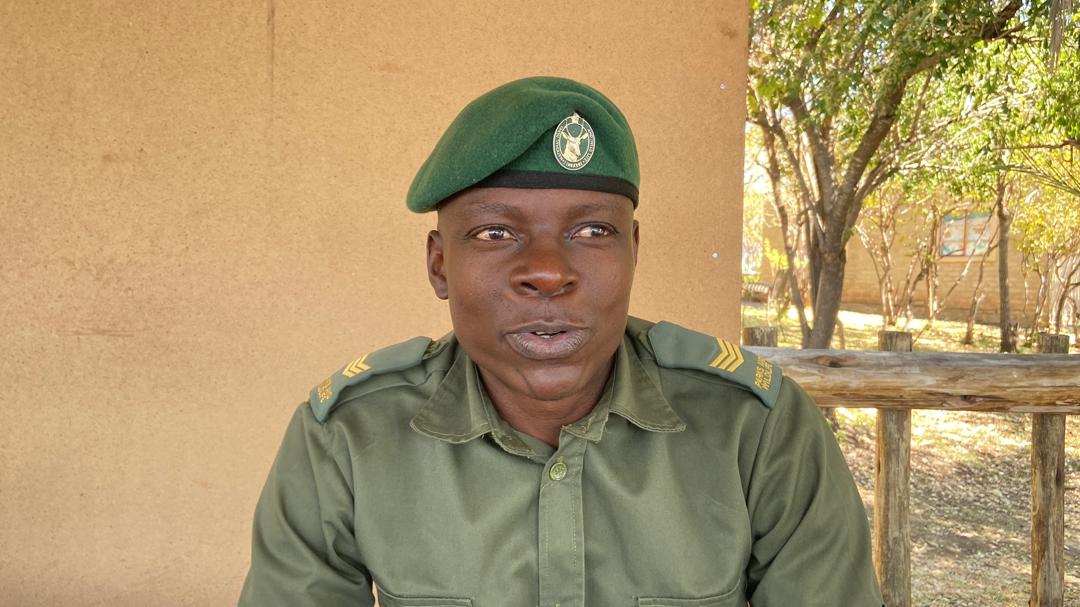
FOR 17 years, Samuel Chisenga has walked through some of Zimbabwe’s most unforgiving wilderness, tracking armed poachers across rugged mountains, surviving a boat capsize on Lake Kariba, and coming face-to-face with dangerous wildlife that cannot distinguish friend from foe.
However, the moment that almost ended his career came not from a charging buffalo or an armed poacher, but from sheer exhaustion.
After a gruelling anti-poaching deployment in Matusadona National Park early in his career, Chisenga returned to his station convinced he was not cut out for the job. He subsequently drafted a resignation letter.
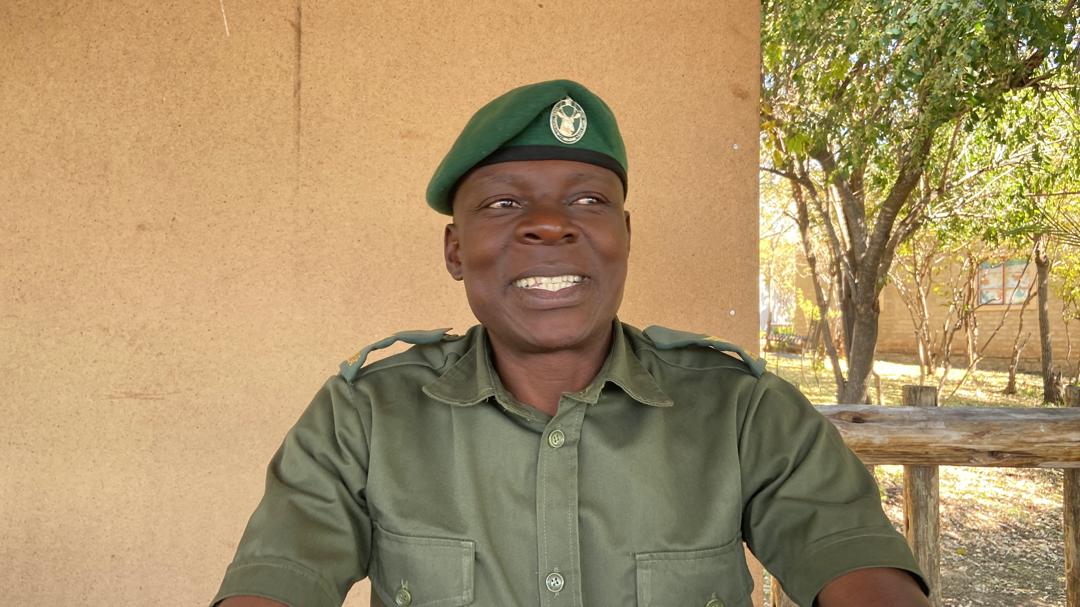
Today, the 36-year-old Zimbabwe Parks and Wildlife Management Authority (ZimParks) ranger, stationed at Zambezi Camp, laughs at the memory. Instead of leaving, counselling from his superiors reignited his purpose, transforming fear into an enduring passion for conserving Zimbabwe’s wildlife.
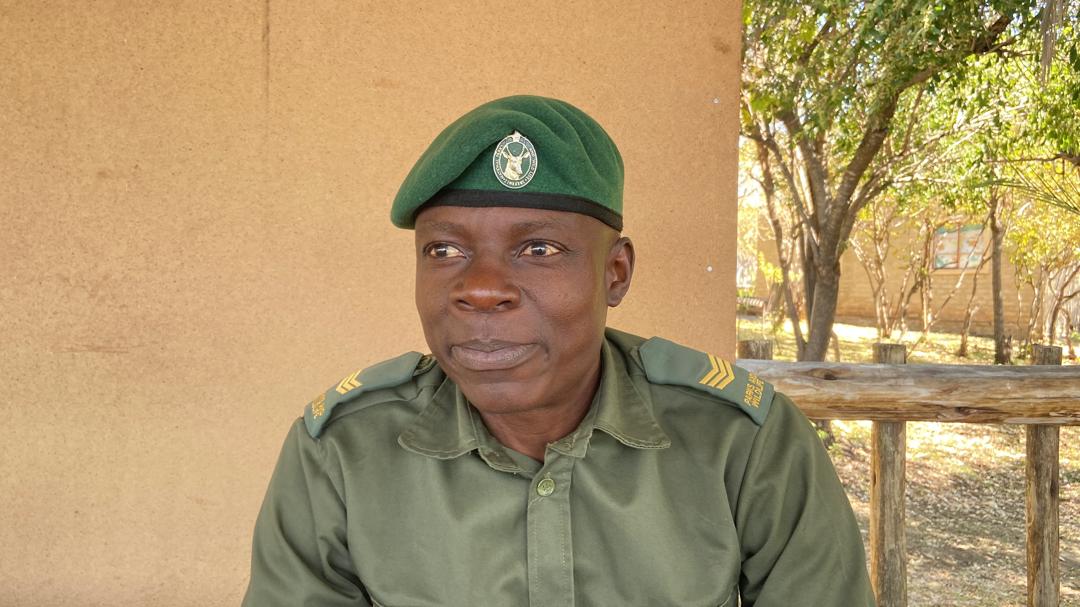
As Zimbabwe yesterday joined the rest of the world in commemorating World Ranger Day, Chisenga’s story reflects the daily reality of hundreds of rangers who silently risk their lives protecting one of the country’s greatest natural assets — its wildlife.
Observed annually on July 31, World Ranger Day honours rangers who have been killed or injured in the line of duty while celebrating the vital role they play in safeguarding biodiversity, combating wildlife crime, protecting ecosystems and supporting communities living alongside wildlife. This year’s theme, “Rangers: Guardians of a
Changing Planet,” recognises their growing role as frontline defenders against climate change, biodiversity loss and transnational wildlife crime.
For Zimbabwe, where wildlife tourism contributes significantly to the economy and iconic species such as elephants, lions, rhinos and buffalo attract visitors from across the globe, the work of rangers extends far beyond protecting animals. They safeguard livelihoods, preserve ecosystems and defend a natural heritage that future generations depend on.
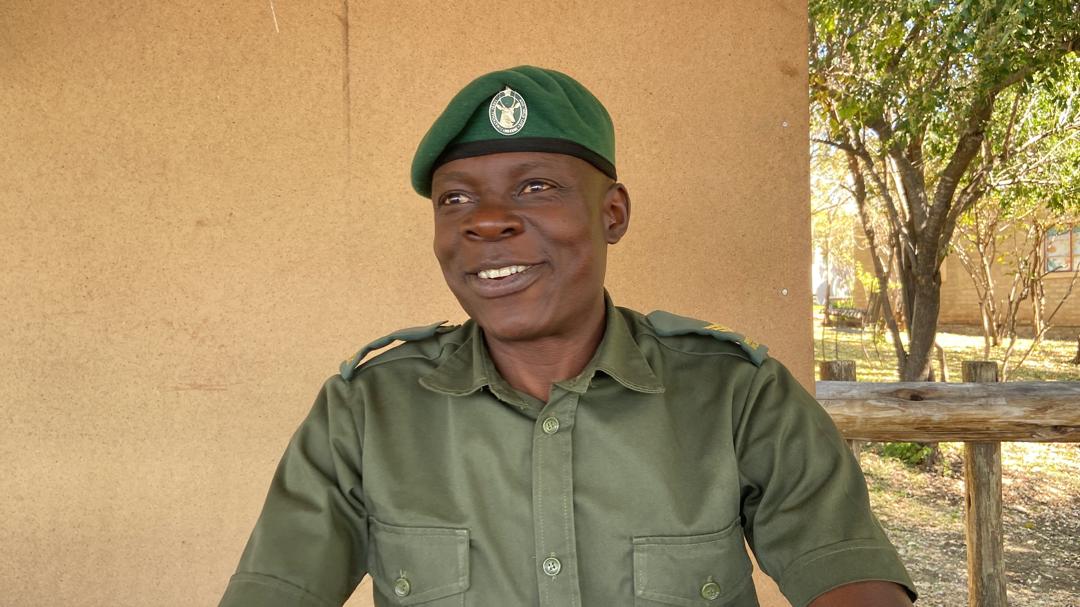
But behind the breathtaking landscapes and thriving tourism industry lies a profession defined by sacrifice.
“I joined ZimParks in 2009 after training at Mushandike College. I was initially deployed to Ngezi Recreational Park under the then ZimParks Central Region,” said Chisenga.
Although Ngezi was relatively peaceful, Zimbabwe was battling widespread poaching in larger protected areas including Hwange, Chizarira and Matusadona National Parks.
“As young rangers, we would be called up to reinforce operations in those areas whenever there was increased poaching activity. Those deployments became my real classroom because they exposed me to the realities of wildlife conservation,” he said.
It was during one such deployment to the rugged mountains of Matusadona, located on the southern shore of Lake
Kariba, that he experienced the harsh realities of life in the bush.
Chisenga’s team had been dispatched to pursue armed poachers who had exchanged gunfire with rangers.
The operation turned into an exhausting marathon through difficult terrain.
“We knew our departure and arrival times and if you failed to reach the designated point before dark, you had no option but to sleep wherever you were,” he recalled.
“On that particular day we failed to reach our destination. We had food rations but could not cook because it was already late. The only thing we could do was drink undiluted Mazoe juice just to get enough energy to continue.”
The physical strain, isolation and uncertainty proved overwhelming.
“When I returned to my station, I wrote my resignation letter. I genuinely believed the job was too difficult for me,” recalled Chisenga.
Fortunately, senior officers recognised his distress.
“I received counselling from my superiors and they encouraged me not to give up. That conversation completely changed my outlook. It became the beginning of my passion for wildlife conservation,” said Chisenga.
Nearly two decades later, Chisenga has accumulated experiences that few Zimbabweans can imagine.
His duties now range from anti-poaching patrols conducted on foot, by vehicle and by boat, to responding to reports of human-wildlife conflict and monitoring animal populations across vast wilderness areas.
Every patrol carries uncertainty. On one occasion, while conducting operations on Lake Kariba, he narrowly escaped death.
“We were travelling in a speedboat. During periods when water levels drop, tree stumps that were previously submerged become exposed beneath the surface.
Chisenga said they failed to notice one of those stumps and the boat struck it before capsizing.
“Fortunately, we were close to the shoreline and because of our training, we managed to rescue ourselves,” he said.
Chisenga said the greatest danger, however, often comes from heavily armed poachers.
“Unlike ordinary criminals, organised poaching syndicates frequently possess sophisticated weapons and are prepared to kill to avoid arrest,” he said.
One conversation with an arrested poacher still haunts Chisenga.
“He told us they had seen my team from a mountain on an earlier patrol and had considered shooting us. They eventually decided against it because they believed more rangers would come after them,” he said.
“When he said that, I realised how close we had come to dying. I had been walking in front and they had a perfect view of us from higher ground.”
Chisenga said even the animals rangers dedicate their lives to protecting can become deadly.
“The wildlife cannot distinguish between a ranger and a poacher. To them, we are all human beings entering their territory,” Chisenga explained.
“Buffaloes are among the most dangerous, especially those that would have been injured by wire snares set by poachers. They often hide in thick vegetation and attack without warning.”
Across Zimbabwe, rangers also contend with increasing human-wildlife conflict driven by prolonged droughts and changing climatic conditions that push animals closer to communities in search of food and water. Rangers are often the first responders, protecting both people and wildlife while trying to minimise conflict.
Despite the dangers, Chisenga says leaving the profession is no longer an option.
“Today it is difficult to separate myself from nature. Wildlife conservation has become part of who I am. I encourage young people to consider joining ZimParks,” he said.
“It is not an easy career, but protecting our wildlife means protecting our national heritage for future generations.”
His journey from a frightened young recruit to a seasoned conservation officer captures the often unseen reality behind Zimbabwe’s thriving wildlife estates.
While tourists marvel at elephants roaming Hwange, the majestic waters of the Zambezi River or the rich biodiversity of the Zambezi Valley, few witness the men and women who spend weeks in remote camps, endure extreme weather, confront armed criminals and place themselves in harm’s way to ensure that these natural treasures survive.