admin
admin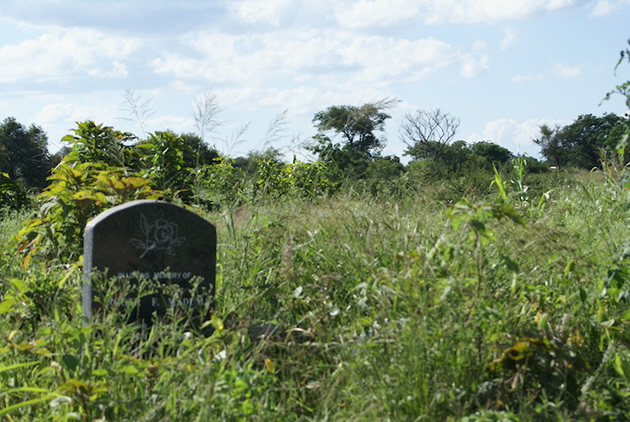
 THE closure — last Friday — of one of Bulawayo’s biggest cemeteries, West Park, has sparked a crisis with the city now faced with the prospect of running out of burial space altogether. There is only one cemetery left operational following the closure of West Park making the gazetting of a piece of land earmarked for a cemetery in Pumula South suburb even more urgent.
What makes the situation worse is that Bulawayo is currently handling more than 400 burials a month and at this rate, the city’s only operational cemetery — Luveve — will fill up soon, precipitating an even bigger crisis. We are aware that the BCC made an application to the Ministries of Local Government, Public Works and National Housing and Home Affairs to have a 20 hectare piece of land in Pumula South gazetted for a cemetery as far back as last year but up to now no response has been received.
Following the closure of West Park, the matter has become urgent and we believe a decision on the issue should be made quickly to avert a crisis. Alarm bells were sounded last year when the local authority revealed that it was left with three months of burial space after most of its cemeteries filled up. Bulawayo has seven cemeteries namely Athlone, Hyde Park, Luveve 3, West Park, Lady Stanley, Luveve Extension and Old Luveve.
Due to the high death rate spawned by among other issues, the HIV/Aids pandemic, most of the cemeteries have filled up and the closure of West Park means that the BCC has to move fast in servicing the land in Pumula to create a new cemetery. The situation has also sparked debate on the need to embrace cremation as one of the ways of disposing of the dead. While the practice is hugely unpopular in Zimbabwe because of the traditional African beliefs surrounding the burial of people, it is one sure way of dealing with the high death rate and dwindling space for burials.
Already, urban centres are grappling with identifying land for housing and to expect them to prioritise the dead over the living would be unfair. Recently, the BCC started limiting burials at West Park to 10 per day and moved all burials of children to Luveve cemetery.
Councillors even toyed with the idea of double or triple burials for members of the same family but this was met with stiff resistance from culturalists who believe the practice is unAfrican and akin to desecrating the spirit of the dead. The same school of thought informs those who believe cremating a dead body is tormenting the soul of the departed and would never find favour with the majority of the people of Zimbabwe. But given the current conundrum, cremation becomes a viable option.
Communities need to be made aware of the benefits of the practice with councillors and other community leaders playing a leading role in the drive. Traditionally, when a person dies, their spirit is “brought back” to watch over those remaining behind during a ceremony called umbuyiso and during this rite, soil is taken from their grave making cremation unattractive to black people.
But we believe culture is dynamic and with enough educational campaigns on the practice, communities can be won over. The BCC also needs to be ready to conduct mass cremations by attending to its crematorium at West Park which has been down for some time.
Apart from the Pumula site, the city council should also find alternative pieces of land to build more cemeteries. In the interim, we urge the government to quickly accede to the BCC’s request for the gazetting of the Pumula land so that it gets on with the servicing of the site.
We agree with Bulawayo United Residents’ Association chairman Winos Dube that the government’s delay in gazetting a new burial site for the city is creating a crisis for residents. “The West Park cemetery issue is something that we’ve been talking about for a very long time. We’re just wondering what will happen since the cemetery has been closed. What alternative are we going to have because the Luveve Cemetery is also almost full as well,” he said.
“We can’t blame the city council on this. We know they long applied to the government for land. We wish the government could give special attention to this problem before it gets out of hand.”


 derick.khumalo